.svg)
.svg)
.svg)
.svg)
The Blog
83 articles on addiction, recovery, mental health, and life after treatment — written by our clinical team.

A Letter to Families, on the Night You Decide to Call
If you are holding the phone tonight, trying to decide whether to dial — this is for you. You do not need to have every answer figured out before you call.
What Are You Looking For?
From the Blog.

Signs You Need Medical Detox: Symptoms, Risks, and What to Do
Spot the signs you need medical detox, including red flags by substance, and learn how to arrange safe, confidential inpatient care in Los Angeles.

What Happens After Rehab? 30/60/90-Day Plan & Aftercare Options
Wondering what happens after rehab? Follow a 30/60/90-day roadmap, compare PHP, IOP, and sober living, and learn how to check your insurance coverage.

Detox vs Residential Rehab: How to Choose — Symptoms, Timeline, and What to Expect
Not sure where to start? Compare detox vs residential rehab, when medical detox is needed, withdrawal timelines, and how to take a confidential next step.

What to Pack for Rehab: Luxury Packing Checklist for Residential & Detox
Not sure what to pack for rehab? Get printable checklists for detox, short stays and 30+ day residential care, plus meds, paperwork, and travel tips.

Inpatient vs Outpatient Rehab: Which Level of Care Is Right for You in Los Angeles
Not sure where to start? Inpatient vs outpatient rehab in Los Angeles, compared on detox, structure, insurance, and how clinicians place you.
What It Actually Looks Like to Stop Drinking
The first thirty days of sobriety are unlike anything a brochure tells you. An honest account of what happens physically, emotionally, and week by week.
The Full Library.
Signs You Need Medical Detox: Symptoms, Risks, and What to Do
Spot the signs you need medical detox, including red flags by substance, and learn how to arrange safe, confidential inpatient care in Los Angeles.
What Happens After Rehab? 30/60/90-Day Plan & Aftercare Options
Wondering what happens after rehab? Follow a 30/60/90-day roadmap, compare PHP, IOP, and sober living, and learn how to check your insurance coverage.
Detox vs Residential Rehab: How to Choose — Symptoms, Timeline, and What to Expect
Not sure where to start? Compare detox vs residential rehab, when medical detox is needed, withdrawal timelines, and how to take a confidential next step.
What to Pack for Rehab: Luxury Packing Checklist for Residential & Detox
Not sure what to pack for rehab? Get printable checklists for detox, short stays and 30+ day residential care, plus meds, paperwork, and travel tips.
Inpatient vs Outpatient Rehab: Which Level of Care Is Right for You in Los Angeles
Not sure where to start? Inpatient vs outpatient rehab in Los Angeles, compared on detox, structure, insurance, and how clinicians place you.

Standard vs. Luxury Rehab: What's the Difference?
Both program types use the same evidence-based clinical foundations. The differences are in environment, individualization, staff ratios, privacy, and breadth of services.

How to Stay Sober After Detox
Detox is the beginning, not the finish line. Here is how to build the structure, routines, and support that make sobriety last through the first 30 days and beyond.
Family Involvement in Addiction Recovery
Family involvement in recovery can help or hurt depending on how it is handled. Here is what healthy support looks like — and how to know when to step back.

Why Treating Only the Addiction Doesn't Work
Treating addiction without addressing co-occurring mental health conditions leaves the core driver of use untouched. Here is why integrated care works when single-focus treatment doesn't.
What to Do After a Drug or Alcohol Relapse
A relapse doesn't erase progress. Here is a clear, practical plan for the next 24 hours — what to do, how to choose the right level of care, and how to move forward.

Anxiety and Addiction: How Self-Medication Fuels the Cycle
Anxiety drives substance use. Substance use worsens anxiety. Here is how the self-medication cycle works — and how integrated treatment breaks it.
Your First Day at a Luxury Residential Rehab
Nervous about day one? Here is exactly what happens when you arrive at a luxury residential rehab — step by step, from arrival through your first evening.
OCD and Addiction: How Compulsions and Use Reinforce Each Other
OCD and addiction share compulsive behavioral patterns and frequently co-occur. Here is how they reinforce each other — and what integrated treatment looks like.

How to Tell When a Loved One Needs Rehab
Watching someone struggle with drugs or alcohol is exhausting and confusing. Here is how to recognize when rehab is necessary — and what to do about it.
Depression and Substance Abuse: The Dual Diagnosis Link
Depression and addiction frequently occur together and fuel each other. Here is how the dual diagnosis cycle works — and what integrated treatment looks like.

ADHD and Substance Use in Adults
ADHD significantly increases the risk of substance use disorder in adults — and is frequently missed in addiction treatment. Here is why it matters and how it is treated.

Schizophrenia & Substance Use: Telling Them Apart
Psychosis caused by schizophrenia and psychosis caused by substance use can look identical. Here is how clinicians tell them apart — and why it matters for treatment.

Bipolar Disorder & Addiction: Managing Mood in Recovery
Bipolar disorder and addiction are among the most challenging co-occurring conditions to treat. Here is why integrated care matters — and how recovery actually works.

Personality Disorders & Addiction: Dual Diagnosis Care
Personality disorders and addiction frequently occur together — and treating just one rarely works. Here is what effective dual diagnosis care looks like for both.

Trauma & PTSD in Addiction Recovery
Up to 75% of people in addiction treatment have experienced trauma. Here is why trauma-informed care is not optional — and what it actually looks like in practice.

What Sets Luxury Rehab Centers Apart?
Luxury rehab is more than premium amenities. Here is what actually differentiates a high-end treatment center — from clinical design to privacy to aftercare.
Alcohol Abuse vs. Alcohol Dependence: 5 Signs of Each
Not all problematic drinking looks the same. Here are the five key signs of alcohol abuse versus alcohol dependence — and what each one means for treatment.

Are High-End Addiction Treatment Centers Worth It?
High-end rehab costs more. Here is what that investment actually buys — and how to evaluate whether a luxury treatment center is the right fit for you.
How to Help When a Loved One Refuses Rehab
When someone you love won't accept treatment, it doesn't mean recovery is impossible. Learn what to do when they keep saying no — and how to protect yourself.
5 Ways to Make Alcohol Detox Easier
Going through alcohol detox can be tough, but there are things that can make it easier. Having some clinical knowledge beforehand can significantly help.

Why Design and Environment Matter in Recovery
Why design and environment matter in the recovery journey, and how a calm, thoughtfully designed space can reduce stress and support healing.

How Nature and Seclusion Enhance the Recovery Process
How nature and seclusion enhance the recovery process, reducing stress, supporting mindfulness, and creating a private space for focused healing.

What Are the Symptoms and Warning Signs of Alcoholism?
Increasing reliance on alcohol can lead to severe and devastating issues. It is crucial to recognize the signs and symptoms of alcoholism before it progresses.

What Is Delta-9 THC?
Understanding the main psychoactive compound in cannabis, its effects, risks, and when cannabis use may signal a problem.

How Personalized Care Plans Define the Luxury Rehab Experience
How personalized care plans set the luxury rehab experience apart, tailoring treatment to each person's history, needs, and goals for more effective recovery.
Tips for Choosing the Right Residential Treatment Center
Practical tips for choosing the right residential treatment center, from accreditation and clinical fit to environment, aftercare, and the questions worth asking.

What Is Alcohol Detox?
When someone begins to drink alcohol excessively, it starts to impact their body, mind, and daily life. Here is what the detox process actually involves.
Family Dynamics and Support in Marijuana Addiction Recovery
Marijuana addiction is as real as any other substance addiction. This article explores the role of family and family therapy in marijuana addiction recovery.

Addiction and Sleep: Overcoming Insomnia in Recovery
Why insomnia is common in early recovery and how to rebuild healthy, restorative sleep to support sobriety and long-term healing.
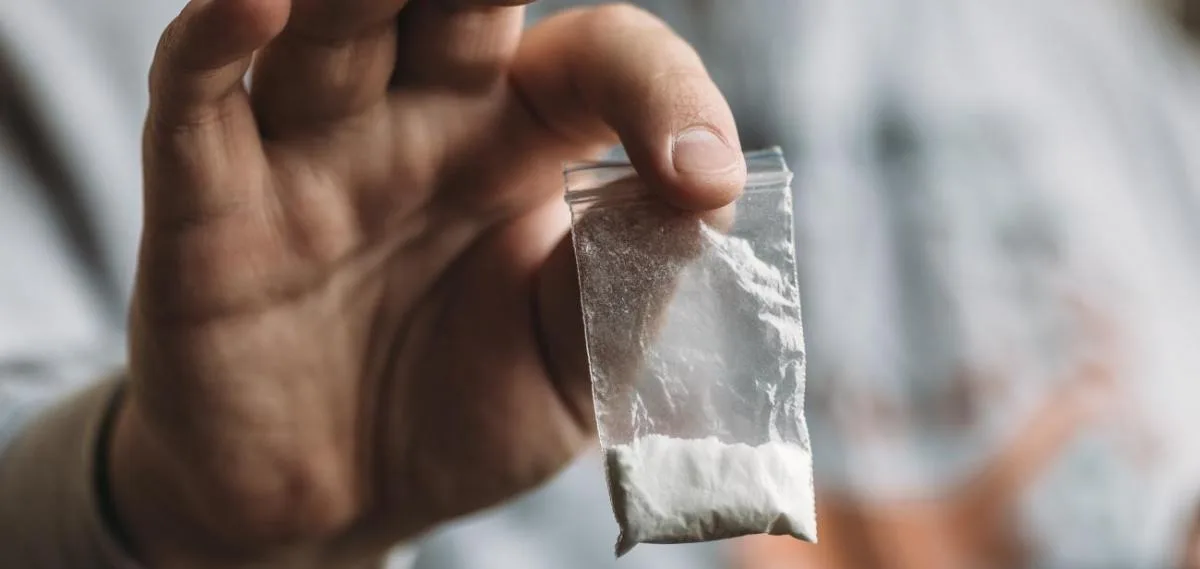
Cocaine Withdrawal Symptoms and How Rehab Centers Can Help
The physical and psychological symptoms experienced when a person reduces or stops using cocaine — and how structured care can help.

Delta 9 THC Gummies: Understanding the Risks and Effects
Delta 9 THC gummies have become popular for their convenience and flavors, but despite their harmless appearance they pose significant risks if not used carefully.

From Yoga to Equine Therapy: Alternative Healing at Luxury Rehabs
Holistic healing approaches in luxury rehab — how complementary therapies work alongside clinical care to support whole-person recovery.

Effective Relapse Prevention Techniques for Lasting Sobriety
Evidence-based relapse prevention techniques that build the skills, awareness, and structure needed to protect lasting sobriety.

How Gourmet Dining Supports Recovery in Luxury Rehabs
How thoughtfully prepared, nutritious meals contribute to physical healing and the overall recovery experience in a luxury rehab setting.

5 Key Factors to Consider Before Choosing a Drug Rehab Center
The five most important things to evaluate before committing to a drug rehab center — from accreditation to clinical approach and aftercare.
The Role of Aftercare in Sustaining Long-Term Recovery
Why aftercare is not optional — and how the right step-down support after residential treatment dramatically improves long-term recovery outcomes.

Rehab Places That Redefine the Meaning of Recovery
A look at what sets certain treatment environments apart — and how the right setting can change the entire experience of recovery.

The Importance of Seeking Luxury Rehab for Substance Abuse
Why seeking professional treatment matters — and what the structure, privacy, and clinical depth of luxury rehab add to the recovery process.

Sober Living Homes That Feel Like Real Homes
What makes a sober living environment feel supportive rather than institutional — and how the right setting bridges residential treatment and independent life.
Delta-9 vs. THC: What's the Difference?
Clarifying the difference between Delta-9 THC and THC as a general term — what you need to know about cannabis compounds and their effects.
Why Accreditation Matters When Selecting a Rehab
What accreditation actually means in addiction treatment, why it matters, and how to use it as a reliable filter when evaluating programs.
How to Choose the Best Rehabilitation Center for You
A practical guide to choosing the best rehabilitation center — the questions to ask, the factors that matter most, and how to match care to your clinical needs.
How Long Does It Take for Shrooms to Kick In?
Understanding the onset timeline, effects, and risks of psilocybin use — and when patterns of use may warrant professional support.
Addressing Stigma and Misconceptions Around Marijuana Addiction
Clearing up the most common myths about marijuana addiction — what the research actually shows and why stigma creates barriers to seeking help.

Understanding the Benefits of Holistic Addiction Treatment
How holistic approaches complement evidence-based addiction treatment — and what whole-person care looks like in a quality rehab setting.
Conquering Life After Marijuana Addiction Treatment
What life looks like after completing marijuana addiction treatment — how to build structure, manage cravings, and sustain recovery long-term.
Understanding the Impact of Alcohol on Mental Health
How alcohol affects mood, cognition, and mental health over time — and why integrated dual diagnosis treatment is essential for lasting recovery.
Top 5 Signs of Cocaine Addiction
The five most recognizable signs of cocaine addiction — what to look for, what they mean clinically, and when to seek professional support.

The Role of Therapy in Addiction Recovery
How individual therapy, group therapy, and evidence-based modalities work together in addiction recovery — and what makes treatment effective.

A Day in the Life at Luxury Rehabs
What a typical day looks like inside a luxury rehab — from morning routines through therapy sessions, meals, and structured evening time.

Understanding the Stages of Change in Addiction Recovery
The five stages of change in addiction recovery — how clinicians use this framework to meet clients where they are and build lasting motivation.
Adderall and Weed: What Happens When You Combine Them?
The effects of combining Adderall and cannabis — what the research shows about this common combination and the risks it introduces.
Why a Luxury Drug and Alcohol Treatment Center Might Be Right for You
For certain clinical presentations and life circumstances, a luxury treatment center is the right fit. Here is how to evaluate whether that applies to you.

Building Healthy Relationships in Addiction Recovery
How to rebuild trust, establish boundaries, and cultivate the relationships that support lasting sobriety — in early recovery and beyond.
Top 10 Lifestyle Changes to Adopt for Addiction Recovery
Ten evidence-supported lifestyle changes that reinforce recovery — from sleep and nutrition to social connection and structured routine.
Drug and Alcohol Addiction in California: Statistics and Trends
A data-driven look at addiction prevalence, treatment access, and recovery outcomes in California — and what the numbers mean for seeking help.
How Nutrition Affects Addiction Recovery
Building a healthy diet post-rehab — how nutrition supports physical healing, mood stability, and long-term sobriety after treatment.
Smoking Rehabilitation: A Step-by-Step Guide to Overcoming Addiction
A practical, step-by-step guide to smoking rehabilitation — from building motivation and managing withdrawal through maintaining long-term cessation.
Alcohol Abuse vs. Alcohol Dependence: 4 Key Differences
Understanding the four key clinical differences between alcohol abuse and alcohol dependence — and what each means for treatment planning.

The Evolution of Rehabilitation Centers
From institutional facilities to thoughtfully designed healing environments — how addiction treatment settings have evolved over decades.

Role of Nutrition and Exercise in Addiction Recovery
How consistent nutrition and movement support brain chemistry, mood stability, and the physical healing that underpins lasting sobriety.
Top 5 Things to Consider Before Selecting a Rehab Center
The five most important considerations when choosing a rehab center — including accreditation, clinical approach, dual diagnosis capacity, and aftercare.
Pink Whitney Alcohol Percentage: What You Should Know
Pink Whitney's sweet taste can mask how much you're actually drinking. Here's what the 30% ABV means in practice — and when it becomes a problem.
How Safe, Supportive Detox Sets the Stage for Recovery
Why medically supervised detox is more than a first step — and how the quality of that experience shapes everything that follows in recovery.
Breaking the Stigma: Talking About Mental Health in Recovery
Why mental health stigma creates barriers to recovery — and how honest, open conversations about co-occurring conditions improve outcomes.
Why Luxury Rehabs Are Becoming the Preferred Option for Many
The growing preference for luxury rehabilitation — why more people are choosing high-quality residential settings for addiction treatment.
The Link Between Alcohol and Depression
Understanding the bidirectional relationship between alcohol use and depression — and how integrated treatment addresses both simultaneously.
Treatment Approaches for Marijuana Addiction
The evidence-based treatment approaches used for marijuana addiction — from behavioral therapies and motivational interviewing to integrated care.
The Impact of Group Therapy in Luxury Rehab Settings
How group therapy functions within a luxury rehab setting — the clinical benefits of peer connection in a small, private, high-trust environment.

Wellness Routines That Support Long-Term Sobriety
Daily and weekly wellness routines that build the structure, resilience, and self-awareness that sustain sobriety over the long term.
Trazodone and Alcohol: What Happens When You Mix Them
The risks of combining trazodone and alcohol — how the interaction affects sedation, blood pressure, and overall safety during recovery.
A Letter to Families, on the Night You Decide to Call
If you are holding the phone tonight, trying to decide whether to dial — this is for you. You do not need to have every answer figured out before you call.
What It Actually Looks Like to Stop Drinking
The first thirty days of sobriety are unlike anything a brochure tells you. An honest account of what happens physically, emotionally, and week by week.
Does Insurance Cover Rehab? How to Verify Benefits for Detox, Residential, PHP/IOP
Does insurance cover rehab? See how plans typically handle detox, residential, and PHP/IOP, what to ask your insurer, and how to appeal a denied claim.
After Detox: A Week-by-Week of What to Expect
Detox is the beginning, not the treatment. What happens in the weeks after medical detox shapes the trajectory of recovery. Here is what to expect.
Why We Don't Publish a Success Rate
Every reputable treatment center is asked what their success rate is. Our answer is that a single number obscures more than it reveals. Here is what we track instead.
Why We Treat Addiction and Mental Health as One Diagnosis
We do not treat addiction and then, separately, treat the anxiety or depression underneath it. We treat both as one condition from intake. Here is why that matters clinically.

How We Structure the Residential Continuum
A clinical overview of Bliss Recovery's programming for referring providers — how care is organized across detox, residential, PHP/IOP, and aftercare with a single consistent team.
Understand your options before you decide.
Our resource library covers addiction, mental health, and recovery — written by clinicians to help you make informed choices.