.svg)
.svg)
.svg)
.svg)
Alcohol Addiction Treatment
At Bliss Recovery, alcohol addiction treatment starts with a plan written around you and the therapies with the strongest evidence behind them. The clinicians you meet at intake stay with you through aftercare, so your story never gets lost between stages. Recovery unfolds in a quiet, private corner of the Hollywood Hills.

Alcohol Addiction Doesn't Have to Define Your Life.
Alcohol addiction treatment at Bliss Recovery brings medically supervised detox, private residential care, and step-down PHP and IOP together in one continuous plan, led by one clinical team across two discreet Hollywood Hills residences. Every stage is shaped around your health, your history with alcohol, any co-occurring mental health needs, and the privacy you expect.
What Alcohol Addiction Treatment at Bliss Recovery Includes
Alcohol treatment here moves through up to four levels of care, each matched to where you are clinically. Most people start with detox, continue in residential care, and then step down to outpatient programming in Los Angeles before transitioning to aftercare.
- Medically supervised detox helps your body clear alcohol safely, typically over five to ten days, while physicians and nurses monitor you around the clock and adjust medications as symptoms change
- Luxury residential treatment continues your care at one of two private Hollywood Hills estates, with individual therapy five days a week, groups, and chef-prepared meals, commonly for 30 to 90 days
- Partial hospitalization (PHP) offers five to six hours of weekday programming at our Los Angeles outpatient clinical center, typically for two to six weeks, while you live at home or in a vetted sober living placement
- Intensive outpatient (IOP) meets about three hours a day, three to five days a week, in morning, afternoon, or evening tracks that fit around work and family
Signs and Symptoms of Alcohol Addiction
Physical Signs
- Increased tolerance, needing more alcohol to feel the same effect
- Withdrawal symptoms when not drinking: shakiness, sweating, nausea, insomnia
- Liver inflammation, fatty liver, or early cirrhosis
- High blood pressure and elevated heart rate
- Memory blackouts and cognitive fog
- Unexplained weight changes and visible facial changes
- Frequent injuries, falls, or accidents
Behavioral and Psychological Signs
- Drinking more or longer than intended
- Unsuccessful attempts to cut back or quit
- Drinking secretly, hiding bottles, or lying about consumption
- Neglecting responsibilities at work, school, or home
- Giving up activities, hobbies, or relationships in favor of drinking
- Intense cravings or preoccupation with the next drink
- Anxiety, depression, or mood swings, especially when not drinking
- Self-medicating to manage stress, trauma, or sleep
- Feelings of guilt, shame, or hopelessness about drinking
Medications That Support Longer-Term Recovery
Medication can support recovery from alcohol use disorder well beyond detox. When it fits your health history, your psychiatric team may consider FDA-approved options such as naltrexone, acamprosate, or disulfiram. Each has its own monitoring needs, and every decision is made with you.
Therapies Used in Our Alcohol Treatment Program
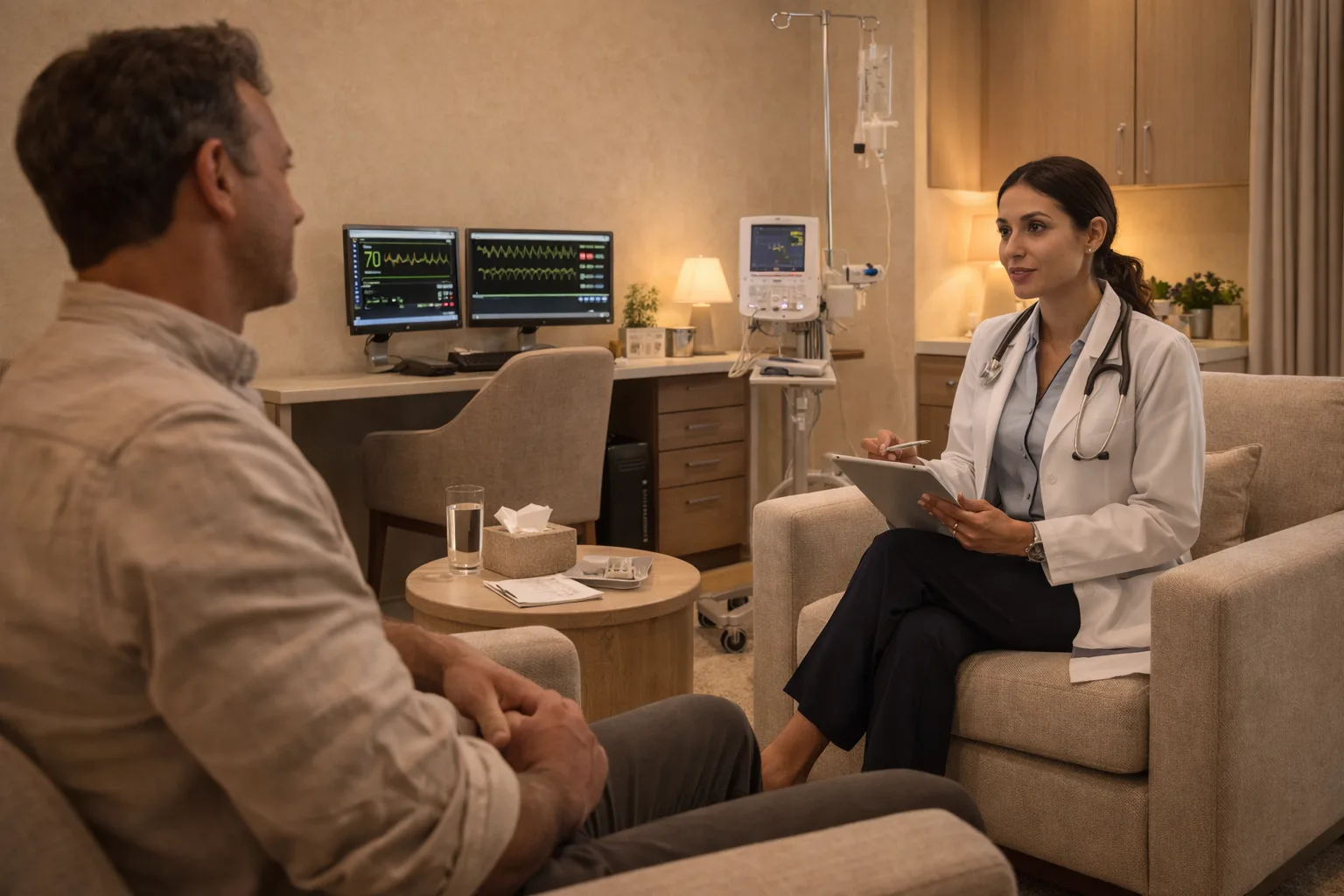
Therapy is where the work beneath the drinking happens. Our clinicians rely on approaches with a strong evidence base, matched to your goals and your history:
Cognitive Behavioral Therapy (CBT)
helps you spot the thoughts and situations that lead to drinking and practice new responses
Dialectical Behavior Therapy (DBT)
builds skills for handling stress and strong emotions without reaching for a drink
Motivational Interviewing
helps you clarify your own reasons for change at a pace that feels right
Acceptance and Commitment Therapy (ACT)
supports living by your values while cravings rise and fall
EMDR and Brainspotting
address trauma when your clinical team judges them appropriate
Relapse Prevention Work
gives you a concrete plan for high-risk moments after treatment
Yoga, breathwork, meditation, acupuncture, and canyon hikes are woven into the rhythm of each day. They support rest and stress relief alongside clinical care, not in place of it.
Who Our Alcohol Treatment Program Is For
Our program is designed for adults who want serious clinical care in a private, non-institutional setting. It may be a good fit if any of these sound familiar:
- You've tried to cut back or stop drinking on your own and found it harder than expected
- You feel shaky, sweaty, anxious, or restless when you go without a drink
- Drinking is starting to affect your health, work, relationships, or reputation
- Anxiety, depression, trauma, or another mental health condition is part of the picture
- Your career or public profile means discretion matters as much as clinical quality
- You'd like to step down through outpatient care in Los Angeles after residential treatment
Still deciding whether your drinking calls for treatment? Our article on the symptoms and warning signs of alcoholism walks through what clinicians look for.
When Alcohol Withdrawal Needs Emergency Care
Stopping alcohol suddenly after heavy, long-term use can cause serious withdrawal. If you or someone else has a seizure, hallucinations, severe confusion, or a high fever with agitation, call 911 or go to the nearest emergency room. Once you're medically stable, our team can help you plan next steps.

Treating Alcohol Addiction and Mental Health Together
Many people who struggle with alcohol also live with anxiety, depression, trauma, or another mental health condition. At Bliss Recovery, dual diagnosis treatment is the baseline for every client rather than a separate track, starting with a comprehensive psychiatric assessment at intake.
Your primary clinician, psychiatrist, and case manager are assigned at intake and stay with you through care. Conditions such as depression alongside alcohol use, anxiety, PTSD, bipolar disorder, and ADHD are treated concurrently within one unified plan.
What to Expect, From First Call to First Week
Every path into care looks a little different, but here's how our admissions process typically unfolds:
Reach out
Call (323) 798-4411 or send a message, and you'll speak with a confidential intake coordinator, not an automated system.
Verify your insurance
We contact your plan directly and read your benefits back to you, usually the same day and at no cost.
Plan your arrival
Our team coordinates flights, ground transport, and intake scheduling, and for most people the time from first call to check-in is one to three days.
Settle in
On arrival, you'll meet your intake coordinator and the nursing staff on duty, then settle into a private suite.
Meet your physician
Within 24 hours, our Medical Director assesses your physical health, drinking history, withdrawal risk, and any co-occurring conditions.
Begin your plan
If detox is recommended, it starts right after the assessment, and you'll have your first individual session early on.
For a closer look at the first few days, see your first 72 hours at Bliss Recovery.
A private conversation, with no obligation. To talk through your options, verify your insurance online or call (323) 798-4411.
Insurance and Paying for Alcohol Treatment

We're in-network with HealthSmart, MultiPlan, PMCS, and TriWest, and we work with many major PPO plans on an out-of-network basis. We're not in-network with HMOs or Medi-Cal.
Benefits vary from plan to plan, so the clearest answer comes from a free, no-obligation insurance verification. All verification information is confidential and HIPAA-compliant.
Verify your insurance
Take 60 seconds to verify your insurance benefits before committing to anything.
Private Residences in the Hollywood Hills
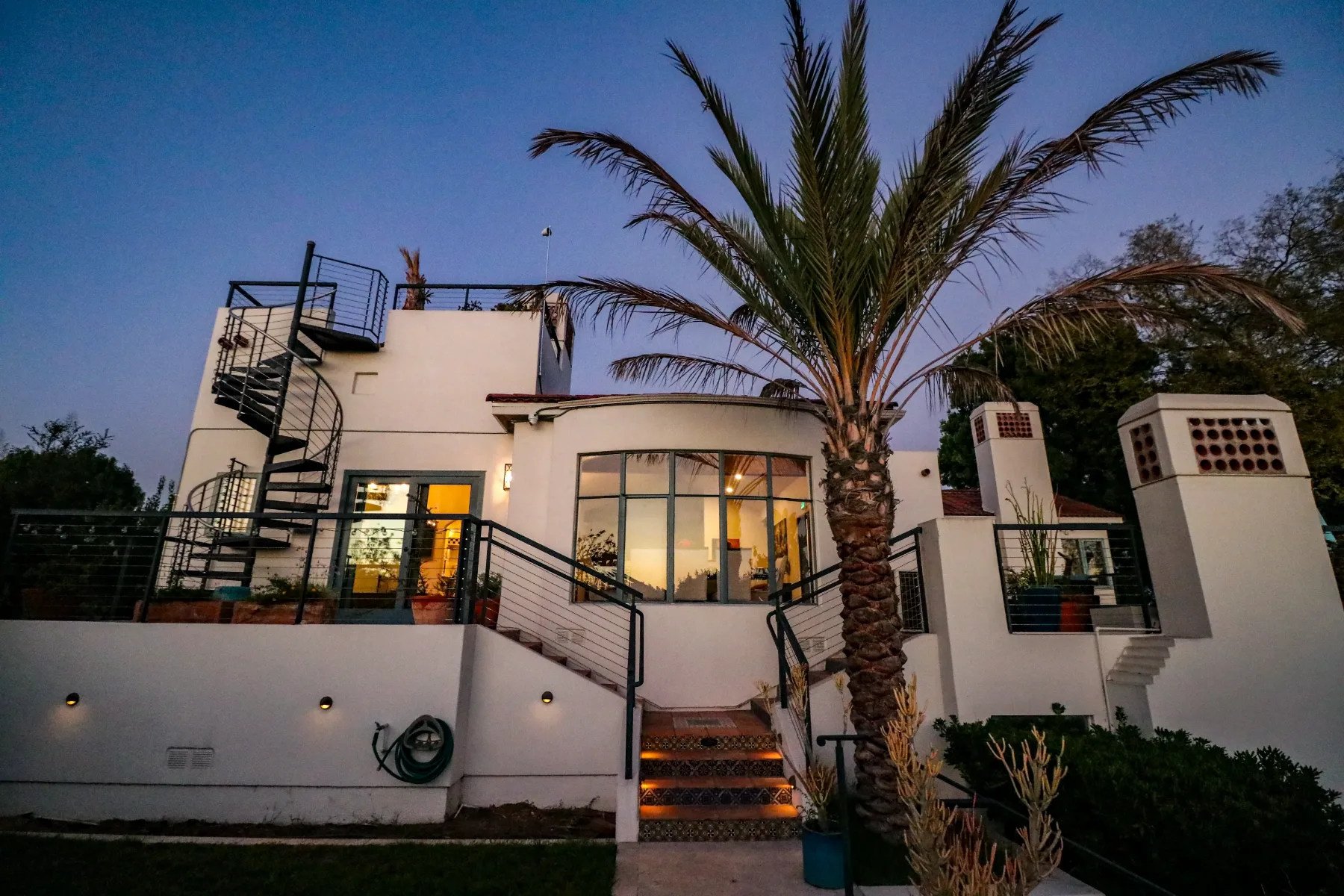
Residential alcohol treatment takes place at two private estates in the Hollywood Hills that share one clinical team. They're homes, not clinical facilities, with private suites, chef-prepared meals, outdoor space, and 24/7 on-site clinical and medical support.

Lakeview Creston
Lakeview Creston sits above Lake Hollywood at 2780 Creston Drive, Los Angeles, CA 90068
View Residences
Spanish Villa Durand
Spanish Villa Durand is a hillside Spanish-style estate at 2816 Durand Drive, Los Angeles, CA 90068
View ResidencesArrivals, departures, and communications are handled with full discretion. Managed cell phone and secure WiFi access let you stay reachable when your care plan allows.
Why Choose Bliss Recovery for Alcohol Treatment
A Small, Private Setting
With six clients per residence and no more than six clients per therapist, care stays personal and the pace stays calm.
One Team From Detox Through Aftercare
Your physician, psychiatrist, and therapist work from the same plan, so nothing gets lost as you step down to PHP, IOP, and aftercare and alumni support.
Family Included When It Helps
Through our family support program, the people closest to you can join therapy and education sessions, in person or virtually, whenever you choose to include them.
Licensed, Accredited, and Accountable
We're licensed by the California Department of Health Care Services (DHCS), accredited by The Joint Commission, certified by LegitScript, and a member of the National Association of Addiction Treatment Providers (NAATP).
Four Pillars of Alcohol Addiction Care
Medical Detox and Stabilization
Alcohol withdrawal can be medically serious, including seizures and delirium tremens. Our clinical team provides 24/7 monitoring with evidence-based medications to manage withdrawal safely in a private residential setting.
Evidence-Based Therapy
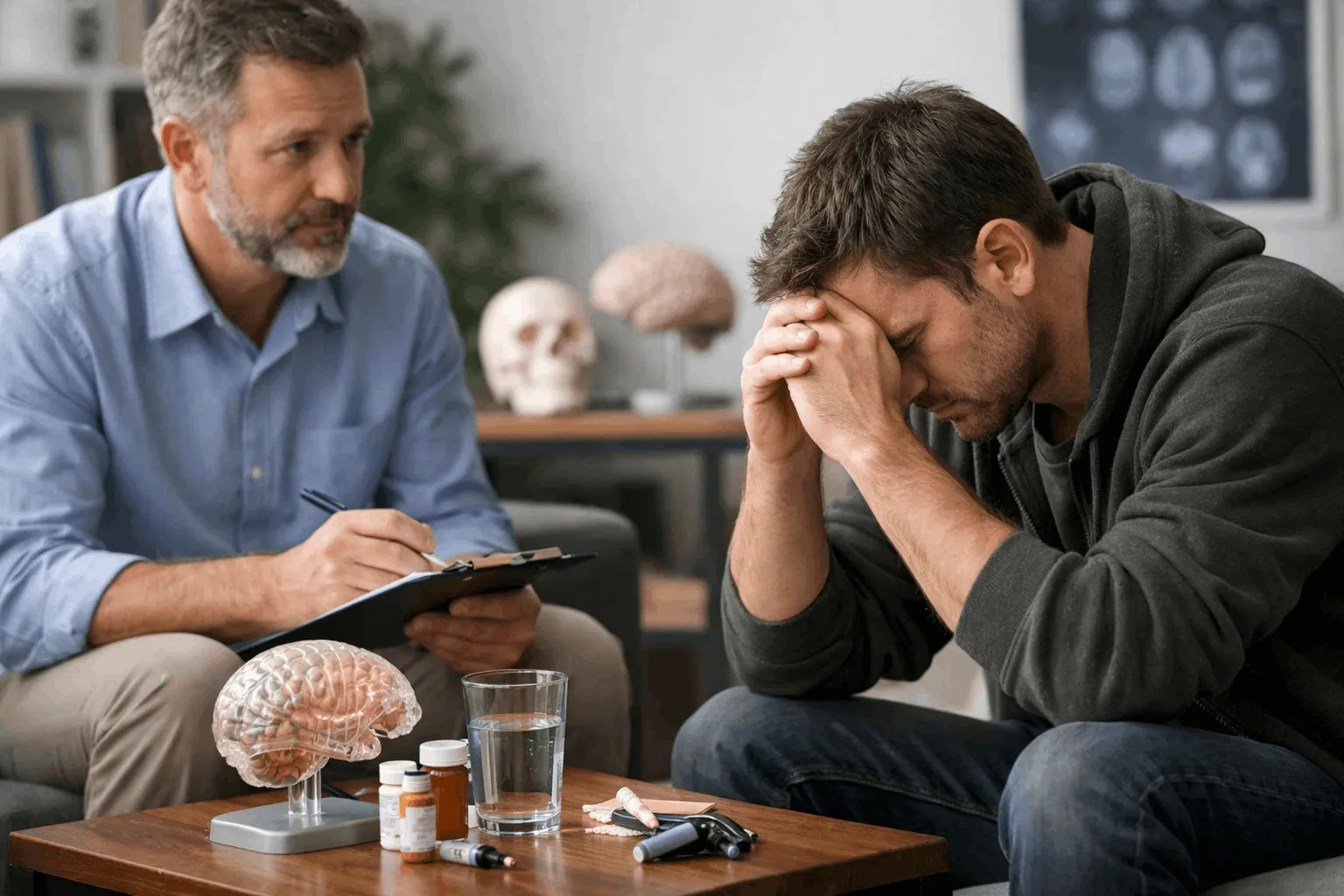
CBT, Motivational Interviewing, DBT, and EMDR are matched to each client's history and co-occurring conditions. Individual and group sessions run throughout treatment, addressing the psychological patterns that sustain drinking.

Integrated Dual Diagnosis Care
Alcohol addiction frequently co-occurs with depression, anxiety, PTSD, and bipolar disorder. We treat both the addiction and any underlying mental health condition simultaneously, because lasting recovery depends on it.

Aftercare and Long-Term Support
Recovery extends beyond discharge. Our step-down PHP/IOP programming and alumni community keep clients connected, accountable, and supported during the months and years that follow residential treatment.

Talk With Our Admissions Team
Call (323) 798-4411 any time, day or night, or send us a confidential message. We'll answer your questions, verify your insurance, and help you decide whether our program is the right fit.
Alcohol Treatment FAQs
How long does alcohol addiction treatment take?
Length depends on clinical need rather than a fixed calendar. Alcohol detox typically lasts five to ten days, residential care commonly runs 30 to 90 days, PHP often lasts two to six weeks, and many people spend eight to twelve weeks in IOP.
Does insurance cover alcohol rehab at Bliss Recovery?
Coverage depends on your specific plan. We're in-network with several plans and work with many major PPOs out of network, and we verify your benefits directly with your insurer at no cost before you decide anything.
How soon can I start treatment?
For most people, the time from first call to check-in is one to three days, and urgent placements can often be arranged within 24 hours. Timing depends on insurance verification, travel, and availability at our residences.
Is alcohol withdrawal dangerous?
It can be. After heavy or long-term drinking, withdrawal may lead to seizures or delirium tremens, a severe state involving confusion and agitation. Medically supervised detox lets physicians and nurses monitor symptoms and adjust medications as needed, so it's best not to stop heavy drinking abruptly without medical guidance.
Will anyone know I'm in treatment?
Privacy is central to how we work. We don't share your information with employers, family members, or third parties without your written authorization, and arrivals and departures are handled discreetly.
Can I keep up with work during treatment?
During residential care, managed cell phone and secure WiFi access may allow limited contact when your care plan supports it. IOP is built around work and family, with morning, afternoon, and evening tracks.
Do you treat depression or anxiety along with alcohol use?
Yes. Every client receives a psychiatric assessment at intake, and co-occurring conditions such as depression, anxiety, PTSD, bipolar disorder, and ADHD are treated within the same plan as alcohol use.
What is your success rate?
We don't publish a single success rate, because one number can hide real differences in how outcomes are defined and measured. You can read more about why we don't publish a success rate and what we track instead.

Start Alcohol Treatment at Bliss Recovery
Whenever you're ready to talk, we're here. Call (323) 798-4411 any time, day or night, verify your insurance online, or send us a confidential message. Every conversation is private and comes with no obligation.
This page is for informational purposes only and isn't a substitute for professional medical advice, diagnosis, or treatment. If you're experiencing a medical emergency, call 911. For mental health crisis support, call or text 988.