.svg)
.svg)
.svg)
.svg)
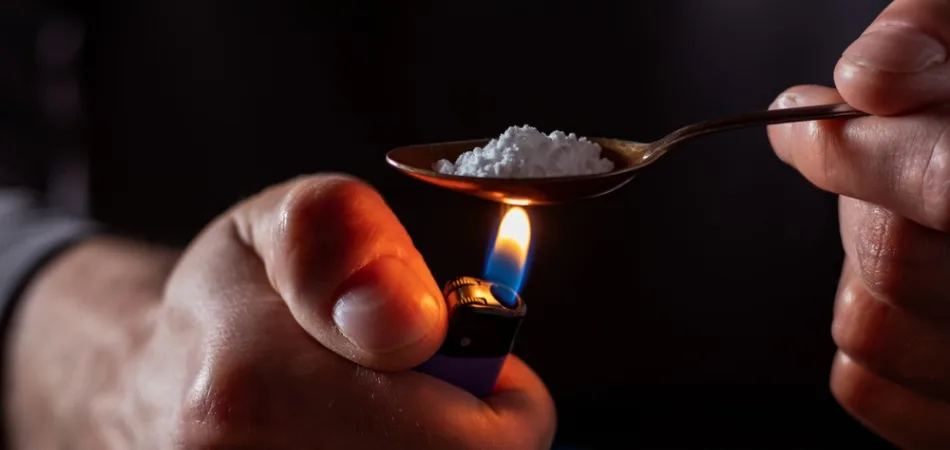
Opiate Addiction Treatment
Individualized, evidence-based care in a private Hollywood Hills setting. Same clinical team from intake through aftercare.
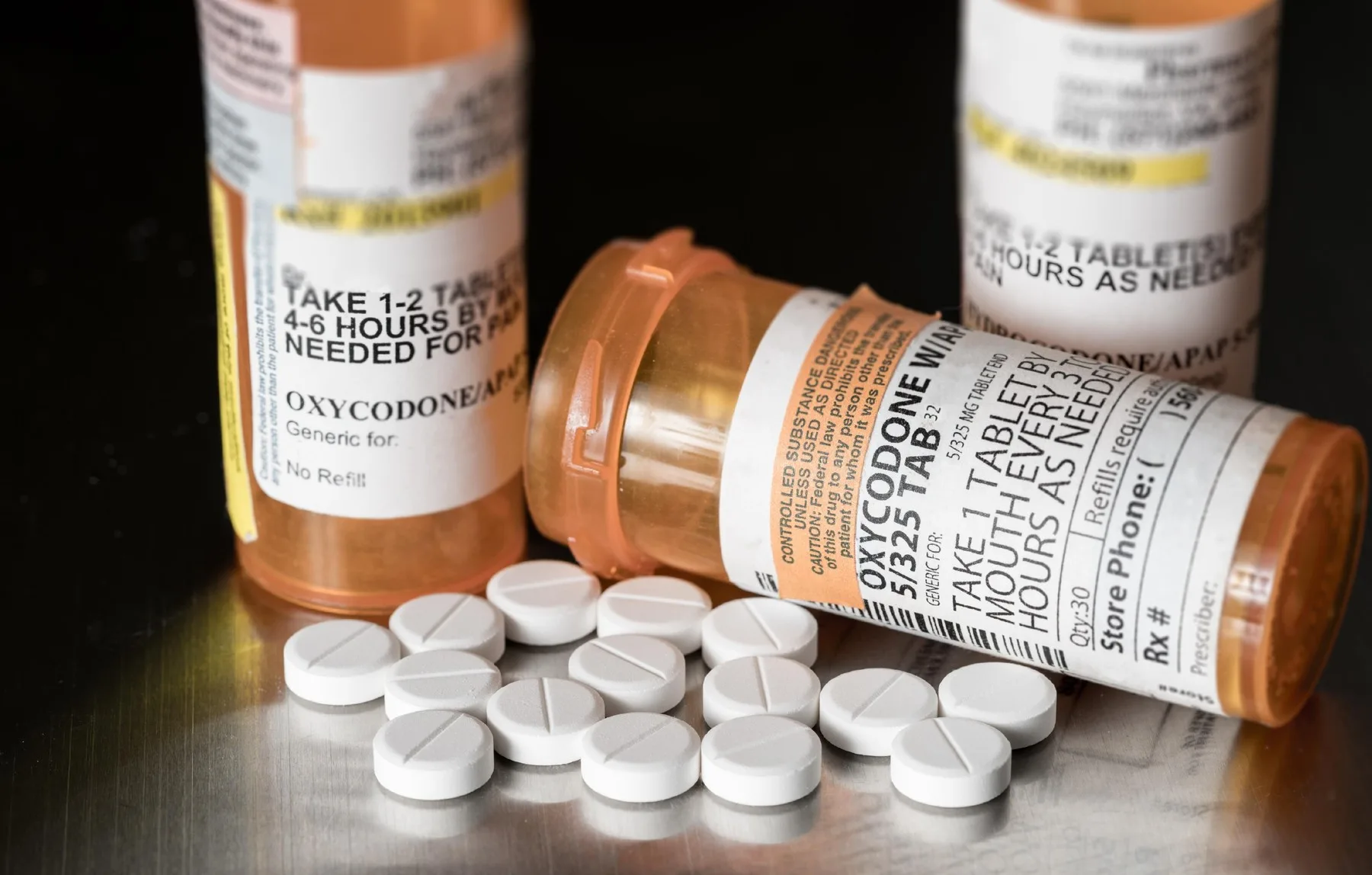
What Is Opiate Addiction?
Opiate addiction, clinically known as opiate/opioid use disorder, develops when repeated use creates physical or psychological dependence that persists despite negative consequences. Like all substance use disorders, it is a medical condition — not a moral failure — that responds to appropriate clinical treatment.
If you or someone you love is in immediate danger, call 911 or go to the nearest emergency room.
Opiate withdrawal requires medical supervision. Relapse after any period of abstinence carries extreme overdose risk due to dramatically reduced tolerance.
Signs and Symptoms
Physical signs
- Tolerance — needing more of the substance to achieve the same effect
- Withdrawal symptoms when use is reduced or stopped
- Physical health changes associated with sustained use
- Using to avoid or manage withdrawal rather than for the original effect
Behavioral and psychological signs
- Continued use despite negative consequences — to relationships, work, health, or safety
- Failed attempts to reduce or stop despite wanting to
- Preoccupation with obtaining, using, or recovering from the substance
- Withdrawal from activities, relationships, and responsibilities previously valued
- Using to manage emotional states, stress, or underlying mental health symptoms
Co-Occurring Mental Health Conditions
Opiate addiction frequently co-occurs with depression, anxiety disorders, PTSD, bipolar disorder, and other mental health conditions. Bliss Recovery's integrated dual diagnosis approach treats both the addiction and any co-occurring conditions simultaneously — not sequentially.
Mental Health We Treat Alongside This
Start your recovery
Our admissions team is available around the clock — confidentially, and without pressure.
What Does Research Say About Opiate Addiction
According to the National Institute on Drug Abuse (NIDA), more than 3 million Americans meet the criteria for opioid use disorder, and the Centers for Disease Control and Prevention (CDC) reports that opioids were involved in nearly 80,000 overdose deaths in the United States in the most recent year of data — the majority driven by illicit fentanyl combined with prescription and non-prescription opioids. Research led by Dr. Nora Volkow of NIDA demonstrates that repeated opioid exposure fundamentally alters the brain's mu-opioid receptors, impairing the natural pain-regulation system and creating powerful physical dependence that can persist long after the drug is removed.
Extensive clinical evidence from the Substance Abuse and Mental Health Services Administration (SAMHSA), Harvard Medical School, and the National Institutes of Health (NIH) confirms that Medication-Assisted Treatment (MAT) — using buprenorphine, methadone, or naltrexone alongside behavioral therapy — is the evidence-based standard of care for opioid use disorder, reducing overdose mortality by more than 50 percent in controlled studies. These findings reinforce the importance of medically supervised detox, integrated dual-diagnosis treatment, and a structured continuum of care — all central to Bliss Recovery's approach to opiate addiction.
Treatment at Bliss Recovery
Clinical assessment
Thorough evaluation covering substance use, mental health, medical history, and individual goals.
Medically supervised detox
Opiate detox is managed with MAT protocols — buprenorphine, methadone, clonidine — based on the specific opioid and level of physical dependence. 24/7 monitoring throughout.
Residential treatment
Immersive live-in care in a private Hollywood Hills estate. Individual and group therapy, psychiatric care.
PHP & IOP step-down
Structured outpatient that maintains momentum as clients reintegrate into daily life.
Four Pillars of Opiate Addiction Care
Medical Detox and Withdrawal Management
Our detox program helps individuals safely withdraw from opiates under medical supervision, reducing withdrawal risks and preparing for long-term recovery.

Individualized Therapy and Counseling
Through individual and group therapy, clients identify the underlying causes of addiction and learn strategies for coping, self-care, and lasting behavioral change.

Long-term Support and Aftercare
Maintaining sobriety requires ongoing support. Our aftercare programs and alumni community provide continuous connection in the months and years after treatment.

Comprehensive, Compassionate Care
Addressing every aspect of addiction — physical, emotional, and spiritual — with deep empathy, personalized treatment, and unwavering support throughout the recovery journey.
FAQ about Opiate Addiction
What is the difference between opiates and opioids?
'Opiates' traditionally refers to substances naturally derived from opium — morphine, codeine, and heroin. 'Opioids' is the broader clinical term that encompasses natural, semi-synthetic, and fully synthetic compounds, including prescription pain medications (oxycodone, hydrocodone) and illicit fentanyl. The addiction physiology and treatment approaches are closely related across all opioids; at Bliss Recovery, we treat the full spectrum.
Is MAT (Medication-Assisted Treatment) required for opiate detox?
MAT — primarily buprenorphine (Suboxone) and methadone — is the evidence-based standard of care for opioid use disorder endorsed by SAMHSA, NIDA, and the World Health Organization. Clinical research consistently shows that MAT reduces overdose mortality by more than 50 percent and significantly improves treatment retention. Our Medical Director evaluates each client individually to determine the appropriate protocol, medication, and duration.
Is opiate withdrawal dangerous?
Opiate withdrawal itself is rarely directly fatal for otherwise healthy adults, but it is intensely uncomfortable and carries extreme overdose risk. After any period of abstinence — even a few days — tolerance drops dramatically. Returning to a previously tolerated dose can be fatal. Medically supervised detox is the clinically appropriate setting because staff can manage symptoms around the clock and intervene immediately if a client's condition changes.
Does insurance cover opiate addiction treatment?
Yes. We're in-network with HealthSmart, MultiPlan, PMCS, and TriWest, and most major commercial PPO plans — Blue Cross Blue Shield, Aetna, United Healthcare, Anthem, Cigna, Optum, and others — cover medically supervised detox and residential treatment for opioid use disorder under the Mental Health Parity and Addiction Equity Act. Exact coverage depends on your specific plan. Our admissions team verifies benefits in detail — usually within one business day — before you commit to anything.
What does opiate addiction treatment at Bliss Recovery look like?
Treatment begins with a medically supervised detox managed by our on-site physicians using an individualized MAT protocol. Once medically stable, clients move into residential programming that integrates evidence-based individual and group therapy (CBT, DBT, trauma-informed care) and psychiatric support for any co-occurring mental health conditions. Before discharge, our clinical team builds a structured aftercare plan that typically includes PHP or IOP step-down care and alumni programming.
How long does opiate addiction treatment take?
There is no single answer — duration is shaped by the specific opioid, the severity of dependence, and the client's individual needs. Medically supervised detox typically lasts 7 to 14 days. Residential treatment commonly follows for an individualized length, with PHP and IOP step-down programming adding another 4 to 12 weeks. Our admissions team designs the full continuum at intake and adjusts as your recovery progresses.
Do you treat opiate addiction alongside depression, anxiety, or trauma?
Yes — and this is often essential. Opioid use disorder co-occurs with depression, anxiety, PTSD, and other conditions at high rates, and untreated mental health conditions are one of the primary drivers of relapse. Our integrated dual-diagnosis model addresses both the addiction and any underlying mental health condition within the same program, with the same clinical team, rather than treating them sequentially in separate programs.

Start Your Journey to Recovery Today
Take the first step toward a healthier life. If you or a loved one is struggling with opiate addiction, our team of compassionate professionals is here to guide you — one step at a time.
Related conditions
Related conditions include heroin addiction, fentanyl addiction, and prescription drug addiction. Explore the full range of substance use we treat, and learn how medical detox supports a safe start to treatment.
Come home to yourself.
A luxury alcohol and substance abuse rehabilitation facility in two adjacent Hollywood Hills residences — from medically supervised detox through aftercare and beyond.