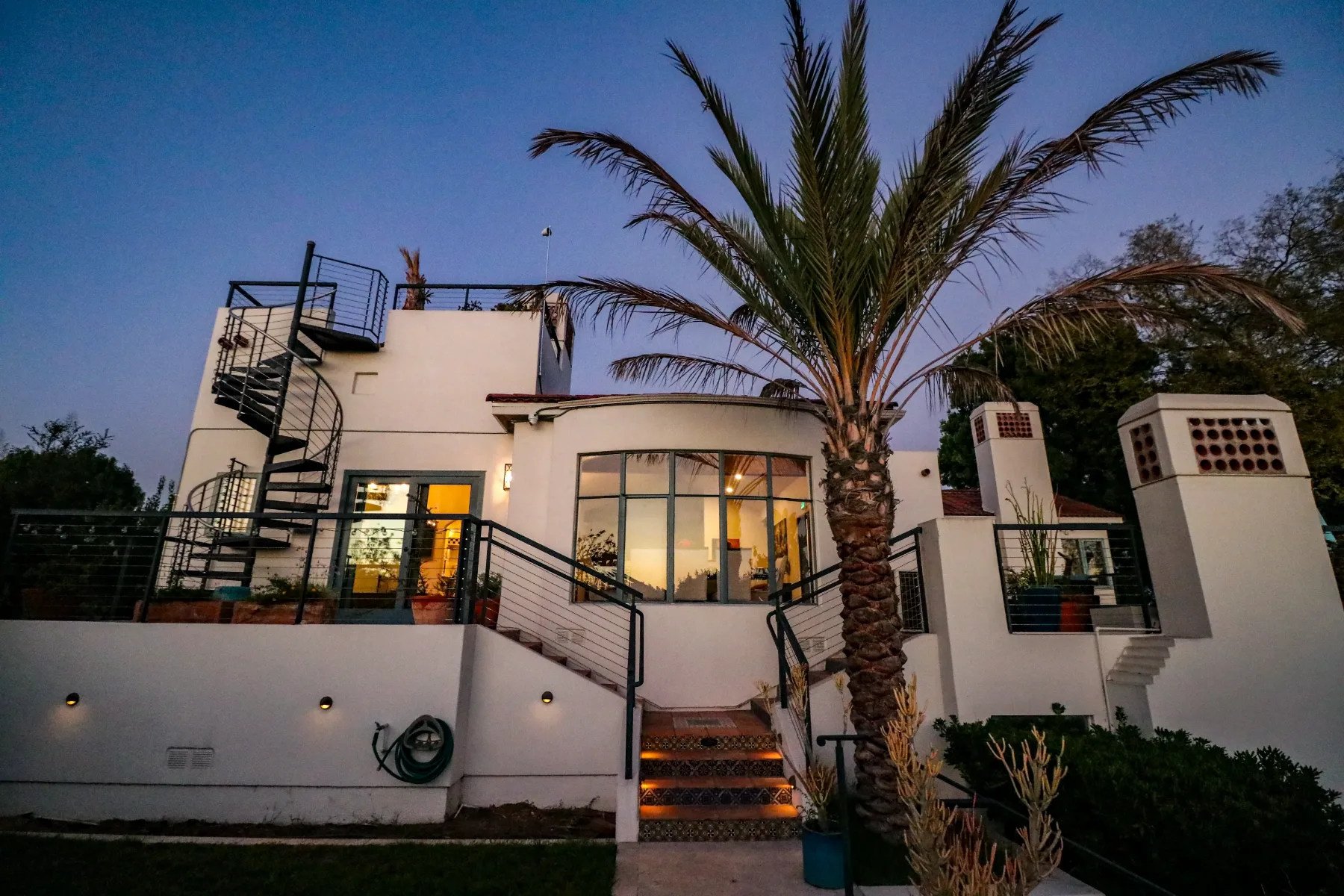
The villa at dusk, lit from within
Conditions treated179 addictions · 8 co-occurring
What we treat

Addiction, and the things that travel with it.

Substance use disorders rarely arrive alone. Depression, trauma, anxiety, prescription dependence — these are the conditions we treat as one program, not two.

16 Conditions, Expert Care

Substance Use & Co-Occurring Mental Health.

Bliss Recovery treats substance use disorders (SUDs) and co-occurring mental health conditions in a private, luxury residential setting in Hollywood Hills, Los Angeles, California. All treatment is delivered at the inpatient residential level of care — with medically supervised detox, 24/7 clinical oversight, and individualized dual diagnosis programming included for every client. Most major PPO insurance plans are accepted.

Medical detox at Bliss Recovery

Medical Detox and Withdrawal Management

Our detox program helps individuals safely withdraw from alcohol and drugs under medical supervision, reducing withdrawal risks and preparing for long-term recovery.

Individual therapy at Bliss Recovery

Individualized Therapy and Counseling

Through individual and group therapy, clients identify the underlying causes of addiction and learn strategies for coping, self-care, and lasting behavioral change.

Aftercare and alumni support at Bliss Recovery

Long-term Support and Aftercare

Maintaining sobriety requires ongoing support. Our aftercare programs and alumni community provide continuous connection in the months and years after treatment.

Holistic and compassionate care at Bliss Recovery

Comprehensive, Compassionate Care

Addressing every aspect of addiction — physical, emotional, and spiritual — with deep empathy, personalized treatment, and unwavering support throughout the recovery journey.

Dual diagnosis · the Bliss approach

Treated as One Program.
Not Two.

Half of people in residential care also meet criteria for a co-occurring mental-health condition. We screen for both on day one and treat both with one care team — clinician, psychiatrist, and case manager working from the same notes.

01Clinician assigned at intake.
24hAdmissions answered, day or night.
12Residents at a time, across two houses.
90Days at the top end of residential care.
Most major PPO plans accepted.
Verify insuranceBegin admissionsCall us · Day or night
TL;DR — What We Treat at Bliss Recovery

Bliss Recovery provides luxury residential addiction treatment in Hollywood Hills, California, for the full spectrum of substance use disorders — including alcohol, opioids, benzodiazepines, stimulants, and prescription drugs — and co-occurring psychiatric conditions including PTSD, anxiety, depression, bipolar disorder, OCD, BPD, ADHD, and schizophrenia. Every treatment plan is individualized. Addiction and mental health conditions are treated simultaneously, not sequentially. Call Call us or verify your insurance to begin.

Quick-reference

Conditions Treated at Bliss Recovery

All treatments listed below are provided within Bliss Recovery's residential inpatient program in Hollywood Hills, Los Angeles, CA. PHP and IOP continued care is available following residential completion.

ConditionCategoryDetox RequiredCommon Co-Occurring Condition
Alcohol addiction (AUD)Substance useYes — medically supervisedAnxiety, depression, PTSD
Prescription drug addictionSubstance useOften — tapering protocolChronic pain, anxiety, depression
Benzodiazepine (benzo) addictionSubstance useYes — structured taperAnxiety, insomnia, panic disorder
Fentanyl / opioid addictionSubstance useYes — 24/7 monitoringPTSD, depression, chronic pain
Heroin addictionSubstance useYes — medication-assistedPTSD, anxiety, depression
Cocaine addictionSubstance useSupportive — psych. focusDepression, ADHD, anxiety
Methamphetamine (meth) addictionSubstance useYes — extended monitoringDepression, psychosis, ADHD
Marijuana / cannabis (CUD)Substance useSupportiveAnxiety, depression
Anxiety disordersCo-occurring MHN/AAlcohol, benzos, Rx drugs
PTSDCo-occurring MHN/AOpioids, alcohol, stimulants
OCDCo-occurring MHN/AAlcohol, stimulants
DepressionCo-occurring MHN/AAlcohol, opioids, stimulants
Bipolar disorderCo-occurring MHN/AAlcohol, stimulants
BPDCo-occurring MHN/AAlcohol, stimulants
SchizophreniaCo-occurring MHN/ACannabis, stimulants, alcohol
ADHDCo-occurring MHN/AStimulants, alcohol, cannabis
Substance use disorders

Substance Use Disorders We Treat

Each substance use disorder has its own clinical profile — different withdrawal risks, different co-occurring conditions, different treatment priorities. Below is what we treat at Bliss Recovery and how each condition is approached within our residential treatment program.

Alcohol addiction treatment at Bliss Recovery

Alcohol Addiction (Alcohol Use Disorder / AUD)

Alcohol use disorder (AUD) is among the most commonly treated substance use disorders in residential rehab. Alcohol withdrawal can progress to life-threatening complications — including seizures and delirium tremens — making medically supervised detox a clinical necessity.

  • Medical detox with 24/7 nursing and physician oversight to manage withdrawal safely
  • Residential treatment addressing psychological dependence, behavioral patterns, and relapse triggers
  • Dual diagnosis evaluation for anxiety, depression, or PTSD that commonly co-occur with AUD
Learn more
Prescription drug addiction treatment at Bliss Recovery

Prescription Drug Addiction

Prescription drug addiction — including dependence on opioid painkillers, stimulants, and sedatives — often develops without the client initially recognizing the pattern.

  • A thorough medical history and current prescription review
  • Medically managed tapering protocols where clinically appropriate
  • Therapy addressing the underlying conditions — pain, anxiety, trauma — that drove the dependency
Learn more
Benzodiazepine addiction treatment at Bliss Recovery

Benzodiazepine (Benzo) Addiction

Benzodiazepines — including Xanax, Valium, Klonopin, and Ativan — require careful, medically supervised tapering. Abrupt discontinuation can cause dangerous withdrawal including seizures.

  • A clinical tapering schedule customized to the specific benzo and duration of use
  • Concurrent therapy for the anxiety, insomnia, or panic disorder that often drove initial use
  • Residential stabilization during the taper period, with 24/7 clinical support
Learn more
Fentanyl and opioid addiction treatment at Bliss Recovery

Fentanyl and Opioid Addiction

Fentanyl is estimated to be approximately 100 times more potent than morphine, making it one of the most medically serious opioid use disorders treated today. Every step of care is managed by licensed medical staff on-site.

  • 24/7 clinical monitoring during acute withdrawal
  • MAT (medication-assisted treatment) with buprenorphine or other agents where clinically indicated
  • Residential care to rebuild the stability and routine that chronic opioid use disrupts
Learn more
Heroin addiction treatment at Bliss Recovery

Heroin Addiction

Heroin use disorder is an opioid use disorder characterized by compulsive heroin-seeking behavior, physical dependence, and high risk of relapse without sustained clinical support.

  • Physical dependence through medically supervised detox
  • Psychological patterns — cravings, triggers, trauma — that drive continued use
  • Co-occurring PTSD, anxiety, and depression, which are common in this population
Learn more
Cocaine addiction treatment at Bliss Recovery

Cocaine Addiction

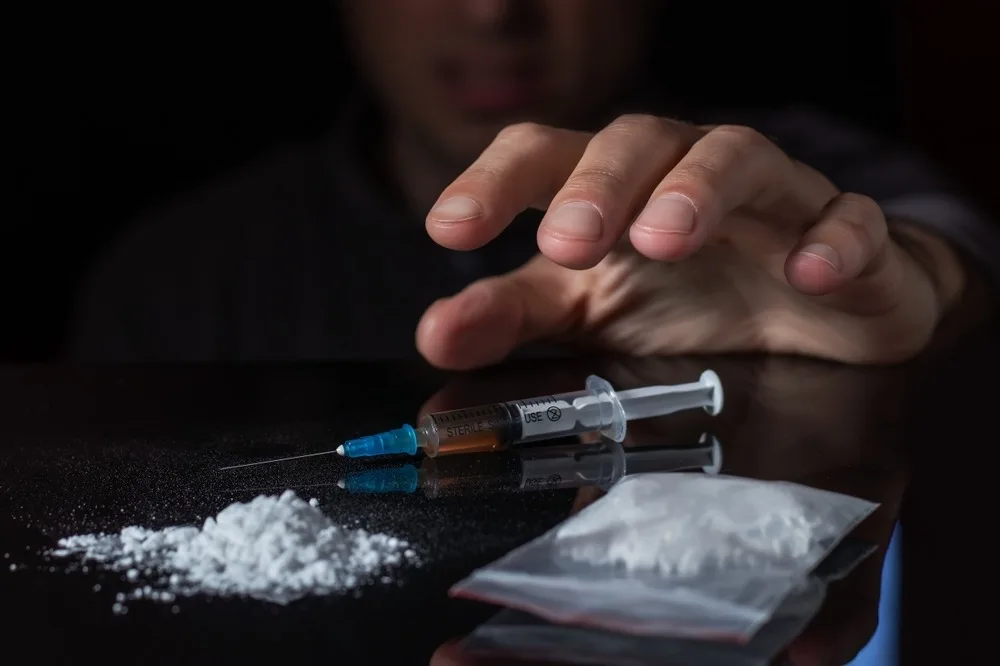
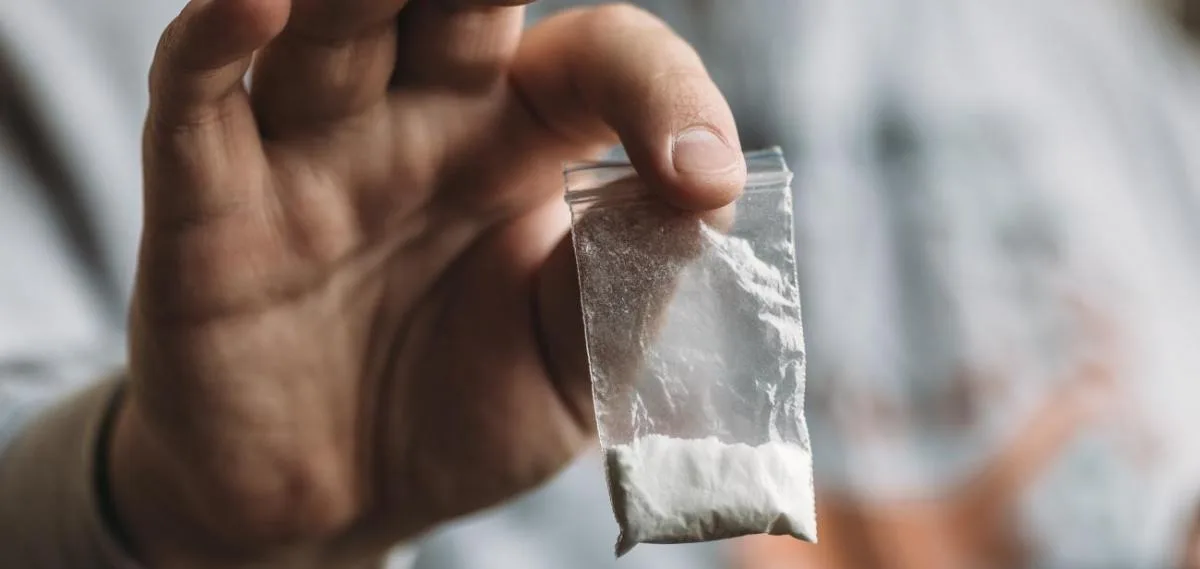
Cocaine withdrawal is primarily psychological rather than physical — meaning the clinical challenge is managing intense cravings, mood disruption, and compulsive thinking.

  • Psychological dependency through CBT (cognitive behavioral therapy) and motivational approaches
  • Co-occurring depression, ADHD, or anxiety — frequent drivers of cocaine self-medication
  • Residential removal from environmental triggers that make outpatient treatment more difficult
Learn more
Methamphetamine addiction treatment at Bliss Recovery

Methamphetamine (Meth) Addiction

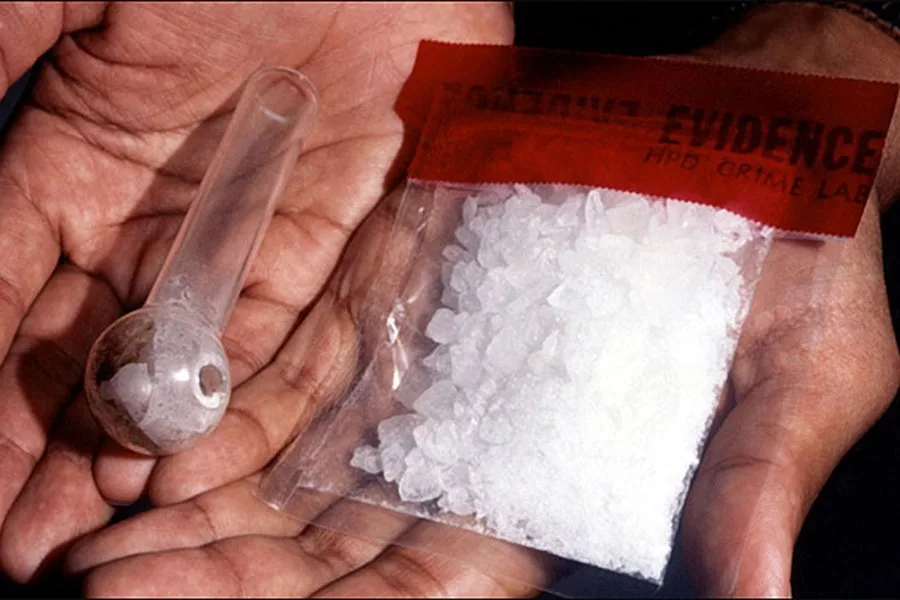
Methamphetamine addiction presents distinctive clinical challenges: post-acute symptoms — including prolonged depression, cognitive difficulty, and anhedonia — can persist for weeks to months after last use.

  • Extended residential monitoring during the post-acute withdrawal phase
  • Psychiatric evaluation for co-occurring depression, psychosis, or ADHD
  • Structured daily programming to address the motivational and cognitive deficits that meth use produces
Learn more
Marijuana and cannabis addiction treatment at Bliss Recovery

Marijuana (Cannabis) Addiction

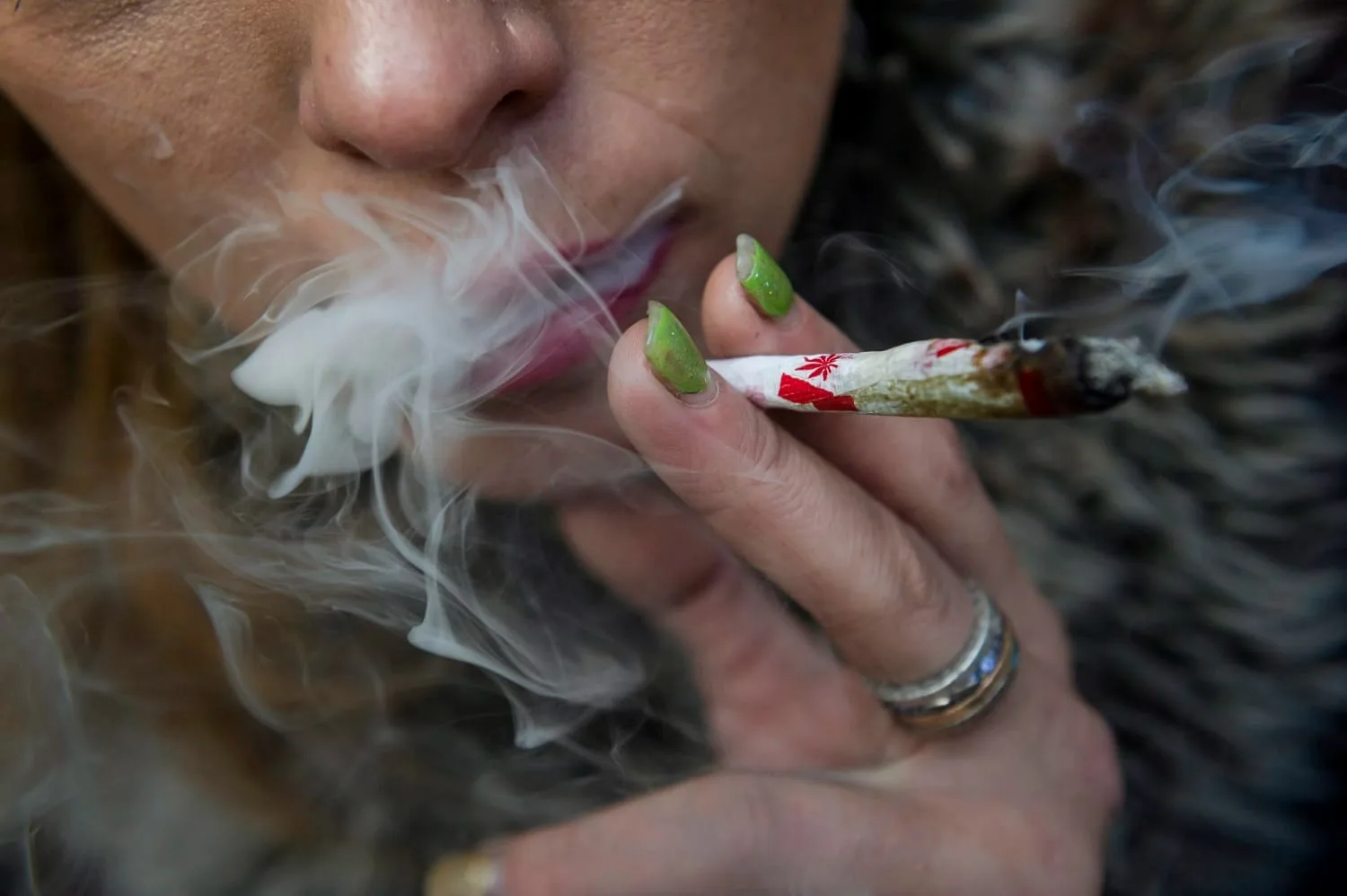
Cannabis use disorder (CUD) is a recognized clinical diagnosis in the DSM-5. It causes significant disruption to motivation, cognition, and mental health — particularly in clients with years of heavy daily use.

  • Identifying the role cannabis has played in managing stress, anxiety, or sleep problems
  • Building evidence-based coping strategies that don't rely on substance use
  • Addressing co-occurring anxiety or depression, which frequently underlie heavy cannabis use
Learn more
Co-occurring mental health

Co-Occurring Mental Health Disorders We Treat

The majority of people with a substance use disorder also have at least one co-occurring mental health condition. Dual diagnosis treatment — not addiction-only care — is the standard for every client at Bliss Recovery. We screen every resident for psychiatric conditions at admission and build treatment plans that address both conditions from day one.

Co-Occurring DisorderWhy It Links to AddictionTreatment Approach at Bliss
Anxiety disordersSubstances self-medicate chronic anxietyCBT, exposure therapy, medication management
PTSDTrauma drives use; substances block processingTrauma-informed care, EMDR, stabilization-first
OCDSubstance use amplifies OCD compulsion cyclesERP (Exposure & Response Prevention), CBT
DepressionDrives substance use; worsens with withdrawalMedication management, individual therapy
Bipolar disorderSelf-medication of depressive/hypomanic episodesMood stabilizer protocols, psychiatric oversight
BPDEmotional dysregulation drives substance useDBT (Dialectical Behavior Therapy)
SchizophreniaSubstance use complicates psychiatric diagnosisDifferential diagnosis, antipsychotic management
ADHDImpulsivity and stimulant/alcohol self-medicationExecutive function coaching, ADHD medication review
Anxiety disorder and addiction treatment at Bliss Recovery

Anxiety Disorders

Anxiety disorders — including GAD, social anxiety disorder, and panic disorder — are among the most common conditions underlying substance use. Many clients have used alcohol, benzodiazepines, or other substances to manage chronic anxiety for years before entering treatment. Our treatment works through CBT, exposure-based therapy, and medication management where indicated — targeting both the anxiety itself and the substance use it drives.

Learn more
PTSD and addiction treatment at Bliss Recovery

PTSD (Post-Traumatic Stress Disorder)

PTSD and addiction are deeply linked: unprocessed traumatic experiences create neurobiological changes that increase vulnerability to substance use, and substances in turn prevent the emotional processing that trauma healing requires. Our PTSD treatment uses a stabilization-first, trauma-informed model — creating safety before addressing traumatic material, at a pace the client can sustain. EMDR is available as part of the trauma-focused care.

Learn more
OCD and addiction treatment at Bliss Recovery

OCD (Obsessive-Compulsive Disorder)

OCD and addiction reinforce one another: OCD's distress creates pathways for substance self-medication, and compulsive substance use can amplify OCD symptom cycles. Our OCD treatment integrates ERP (Exposure and Response Prevention) — the primary evidence-based behavioral intervention for OCD — alongside addiction-focused residential therapy.

Learn more
Depression and addiction treatment at Bliss Recovery

Depression (Major Depressive Disorder / MDD)

Depression is both a driver and a consequence of substance use disorder. It frequently persists into early recovery and, if untreated, significantly increases relapse risk. Our depression treatment addresses MDD, dysthymia, and treatment-resistant depression through medication management, individual therapy, and a calm residential environment.

Learn more
Bipolar disorder and addiction treatment at Bliss Recovery

Bipolar Disorder

Bipolar disorder is associated with some of the highest rates of co-occurring substance use among all psychiatric conditions. Individuals frequently self-medicate depressive episodes with alcohol or opioids, or use stimulants to extend hypomanic states. Treatment requires close psychiatric oversight and a plan that addresses mood stabilization and addiction recovery in parallel — not sequentially.

Learn more
BPD and addiction treatment at Bliss Recovery

BPD (Borderline Personality Disorder)

BPD is characterized by intense emotional dysregulation — and that instability makes substance use a likely coping mechanism when distress becomes unmanageable. DBT (Dialectical Behavior Therapy) is central to BPD treatment at Bliss Recovery, delivered in a private, stable residential setting that supports the consistency DBT requires.

Learn more
Schizophrenia and addiction treatment at Bliss Recovery

Schizophrenia

Schizophrenia in the context of addiction requires careful differential diagnosis — distinguishing substance-induced psychosis from a primary psychotic disorder — before an effective treatment plan can be built. Our treatment integrates psychiatric medication management with addiction-focused residential therapy, delivered by a clinical team with direct experience navigating this complex dual presentation.

Learn more
ADHD and addiction treatment at Bliss Recovery

ADHD (Attention-Deficit/Hyperactivity Disorder)

ADHD co-occurs with substance use disorders at significantly higher rates than in the general population. Stimulant misuse, heavy alcohol use, and cannabis dependence are common self-medication patterns in undiagnosed or undertreated ADHD. Our treatment addresses attention regulation, impulsivity, and executive function alongside addiction recovery.

Learn more
Our approach

One Plan, Both Conditions.

The diagnoses arrive together. They should be treated that way. From the day of intake, our clinical team writes a single care plan that addresses substance use and the conditions that travel with it — depression, anxiety, trauma, prescription dependence.

"What changes a person is being known. We start there, and we let the rest follow."

A psychiatrist sits on every care team. Medication reviews happen weekly when indicated. Therapy is five sessions a week, minimum. There is no separate "track" for co-occurring conditions, no handoff, no waiting room.

01

One care plan, signed on day one.

Substance use and mental health, treated together. Reviewed weekly. Adjusted with you, not at you.

02

Same team, end to end.

Your clinician, your psychiatrist, your case manager. The people you meet on day one are the same people on discharge.

03

Evidence first. Comfort always.

CBT, DBT, EMDR — the methods that work. Inside a residence that doesn't read as treatment.

04

No false promises.

We don't publish success rates. We don't sell certainty. We tell you what we offer, and let the rest follow.

Integrated dual diagnosis care at Bliss Recovery
Integrated care · why it matters

Why We Treat Addiction and Mental Health at the Same Time.

Treating addiction without addressing co-occurring mental health conditions leaves the underlying drivers of substance use unresolved — and creates significant vulnerability to relapse. NIDA's clinical guidelines and ASAM's evidence-based practice standards both endorse integrated dual diagnosis treatment as the standard of care: both conditions addressed simultaneously, by the same clinical team, within the same program. At Bliss Recovery, this is how every residential treatment plan is structured. Your addiction specialist and psychiatric care provider communicate directly, in real time, about your case — no handoffs, no parallel tracks, no gaps.

Our clinical staff
Program details

Program Scope, Location, and Insurance

Private payAvailable — contact admissions for a confidential estimate
InsuranceMost major PPO plans accepted; benefits verified confidentially before admission
Who we serveAdults from across California and nationally; clients seeking privacy, luxury residential care, and dual diagnosis treatment
LocationHollywood Hills, Los Angeles, California — multiple private estate locations
Step-down carePHP and IOP available after residential completion
Program typeResidential inpatient — 24/7 clinical oversight, medically supervised detox, structured daily programming
The clinical team

Who Provides Care at Bliss Recovery

Clinical and medical staff at Bliss Recovery

Every treatment decision at Bliss Recovery is made by licensed medical and clinical professionals with direct experience in addiction medicine and dual diagnosis psychiatry. Our clinical and medical staff includes licensed therapists, addiction specialists, and psychiatric providers who collaborate on each client's care — a dedicated team that knows your case, not a rotating roster of contractors.

Our residential program operates under the California Department of Health Care Services (DHCS) licensing framework. Clinical protocols are guided by evidence-based standards endorsed by NIDA's comorbidity research program and ASAM's evidence-based practice standards, including integrated dual diagnosis treatment as a foundational model of care.

Every admission begins with a licensed clinical assessment, and no treatment plan goes into effect without review and approval by a credentialed clinician.

Meet our staff
Frequently asked questions

Common Questions About Treatment

Everyone has questions about treatment, insurance, and many other topics. If your question isn't answered here, call (323) 798-4411 to learn more.

What does dual diagnosis treatment mean in practice?

Dual diagnosis treatment means that both a substance use disorder (SUD) and a co-occurring mental health condition — such as PTSD, depression, or anxiety — are assessed, diagnosed, and treated at the same time, by the same clinical team, within the same residential program. It is the clinical model behind everything we treat at Bliss Recovery. Dual diagnosis care at Bliss Recovery is integrated from the first day of admission — not layered on after addiction treatment, and not handled by a separate team.

How long is residential treatment at Bliss Recovery?

Residential treatment runs thirty to ninety days depending on clinical need, personal goals, and insurance coverage. Most clinicians recommend a minimum of thirty days; many residents and their families find that sixty or ninety days produces significantly more durable outcomes. Cash-pay arrangements can differ. We do not rush discharge.

What is the difference between PHP and IOP?

PHP (Partial Hospitalization Program) is more intensive — clients attend structured clinical programming for several hours each day, five days per week, while living off-site. IOP (Intensive Outpatient Program) is less intensive — clients attend therapy sessions two to three times per week while resuming more of their daily routine. Both step down from residential treatment while maintaining clinical continuity.

What if I'm not sure whether I have a co-occurring disorder?

Comprehensive psychiatric screening is part of our admissions and intake process and early treatment phase. Many clients arrive without a prior psychiatric diagnosis and receive a clearer clinical picture of their mental health needs through that assessment. You do not need a confirmed diagnosis before reaching out.

Can I keep my treatment private from my employer?

Yes. Your treatment at Bliss Recovery is protected under HIPAA federal privacy law. We do not disclose your participation in treatment to employers, colleagues, or anyone outside your care team without your explicit written consent. If you require FMLA documentation for a leave of absence, our admissions team can discuss how to manage that process discreetly.

Does Bliss Recovery accept insurance?

Yes. We're in-network with HealthSmart, MultiPlan, PMCS, and TriWest, and we work with most major PPO insurance plans on an out-of-network basis. Our team verifies your benefits quickly and confidentially — most verifications are completed same day. Private pay is also available. Call (323) 798-4411 to start the process.

What level of care comes after residential treatment?

Our PHP/IOP continued care program provides structured, ongoing clinical support as clients transition from residential treatment back to daily life — maintaining therapeutic continuity during the most vulnerable period of recovery.

Is treatment confidential?

Yes. All treatment at Bliss Recovery is confidential under federal HIPAA law. We take the privacy of our clients — many of whom have professional or public reputations to protect — seriously at every stage. Our private Hollywood Hills estates are designed for discretion: residential street settings, no institutional signage, and a team trained to handle sensitive cases with absolute confidentiality.

Luxury private residential treatment at Bliss Recovery Hollywood Hills
Get help now

Start Your Journey to Recovery Today

Take the first step toward a healthier life. If you or a loved one is struggling with addiction, our team of compassionate professionals is dedicated to guiding you toward recovery, one step at a time.

Executive Treatment ProgramFlexible Technology PolicyPrivate RoomsPet-Friendly FacilityOn-Site Executive ChefTherapeutic Location
Dual diagnosis · addiction + mental health

We treat the whole person, not just the addiction.

Every client receives a full dual-diagnosis assessment. Co-occurring disorders aren't an afterthought — they're the starting point.

Insurance Providers

Most major PPO plans accepted.

Verify insurance
Aetna logo
Anthem Blue Cross logo
Beacon logo
Blue Cross Blue Shield logo
Cigna logo
First Health logo
Health Net logo
HealthSmart logo
In-Network
Magellan logo
MultiPlan logo
In-Network
Optum logo
PHCS logo
PMCS logo
In-Network
TriWest logo
In-Network
United Healthcare logo

In-network with HealthSmart, MultiPlan, PMCS, and TriWest. Out-of-network and private pay also welcomed. Not in-network with HMOs or Medi-Cal.