.svg)
.svg)
.svg)
.svg)
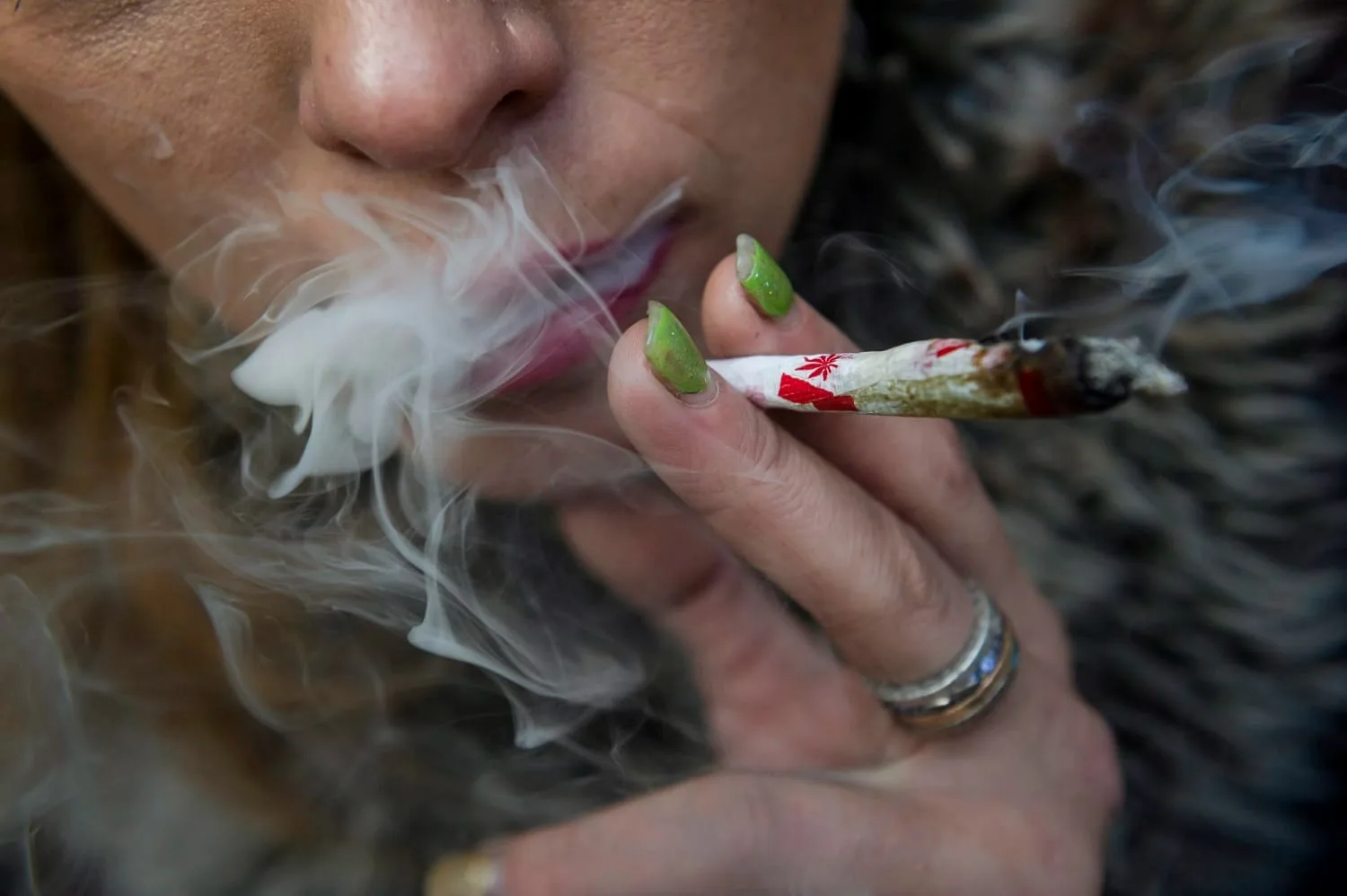
Marijuana Addiction Treatment
Individualized, evidence-based care in a private Hollywood Hills setting. Same clinical team from intake through aftercare.
What Is Marijuana Addiction?
Marijuana addiction, clinically known as cannabis use disorder, develops when repeated use creates physical or psychological dependence that persists despite negative consequences. Like all substance use disorders, it is a medical condition — not a moral failure — that responds to appropriate clinical treatment.
Marijuana withdrawal is not life-threatening but can include anxiety, sleep disruption, irritability, and intense cravings. These symptoms are frequently underestimated and are a common driver of relapse.
Signs and Symptoms
Physical signs
- Tolerance — needing more of the substance to achieve the same effect
- Withdrawal symptoms when use is reduced or stopped
- Physical health changes associated with sustained use
- Using to avoid or manage withdrawal rather than for the original effect
Behavioral and psychological signs
- Continued use despite negative consequences — to relationships, work, health, or safety
- Failed attempts to reduce or stop despite wanting to
- Preoccupation with obtaining, using, or recovering from the substance
- Withdrawal from activities, relationships, and responsibilities previously valued
- Using to manage emotional states, stress, or underlying mental health symptoms
Co-Occurring Mental Health Conditions
Marijuana addiction frequently co-occurs with depression, anxiety disorders, PTSD, bipolar disorder, and other mental health conditions. Bliss Recovery's integrated dual diagnosis approach treats both the addiction and any co-occurring conditions simultaneously — not sequentially.
Mental Health We Treat Alongside This
Start your recovery
Our admissions team is available around the clock — confidentially, and without pressure.
What Does Research Say About Marijuana Addiction
Research from the National Institute on Drug Abuse (NIDA) shows that marijuana use is far from risk-free, with approximately 30% of users developing some level of Cannabis Use Disorder (CUD). National survey data from the Substance Abuse and Mental Health Services Administration (SAMHSA) also reveals that more than 62 million Americans used marijuana in the past year, making it one of the most widely misused substances in the United States. Studies published through the NIH highlight that 1 in 10 marijuana users becomes addicted, and the risk increases to 1 in 6 for individuals who begin using before age 18. Long-term or heavy cannabis use has been linked to cognitive impairment, reduced motivation, memory problems, and increased rates of anxiety and depressive symptoms. As potency levels continue to rise in modern cannabis products, researchers warn that today’s marijuana carries a significantly higher risk of dependence and adverse mental-health effects. At Bliss Recovery, our marijuana addiction treatment program integrates these research findings into a comprehensive, clinically grounded approach designed to support long-term recovery.
Treatment at Bliss Recovery
Clinical assessment
Thorough evaluation covering substance use, mental health, medical history, and individual goals.
Medically supervised detox
Marijuana detox is not medically dangerous but can involve significant anxiety, sleep disruption, and psychological discomfort. Clinical support helps manage symptoms and prevent relapse.
Residential treatment
Immersive live-in care in a private Hollywood Hills estate. Individual and group therapy, psychiatric care.
PHP & IOP step-down
Structured outpatient that maintains momentum as clients reintegrate into daily life.
Four Pillars of Marijuana Addiction Care

Clinical Support and Stabilization
Cannabis withdrawal is often underestimated — anxiety, insomnia, irritability, and powerful cravings are common and are a leading driver of relapse. Our clinical team provides structured support to help clients move through the acute phase with confidence.
Evidence-Based Therapy
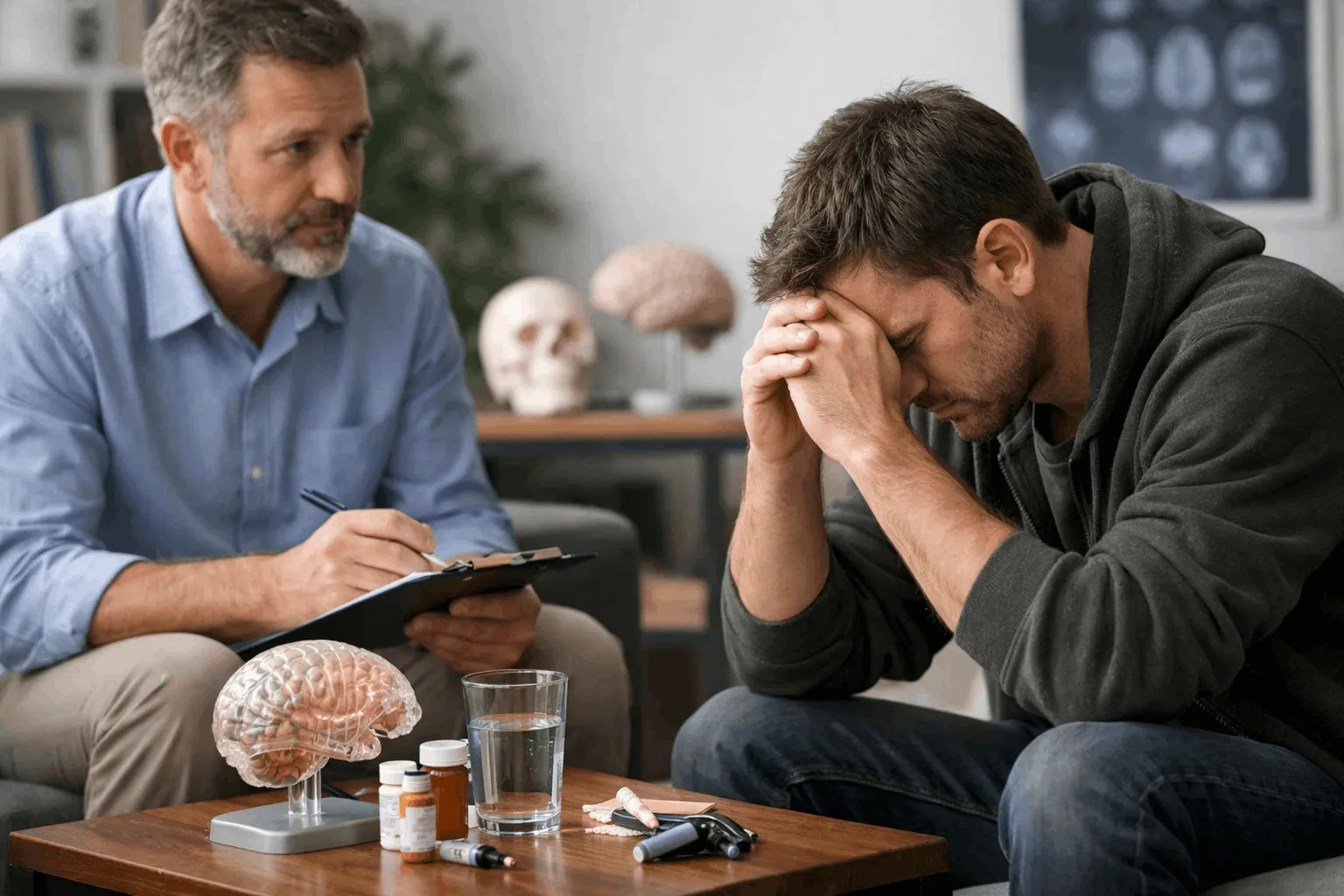
CBT and motivational enhancement therapy are the most evidence-supported treatments for cannabis use disorder. Individual and group sessions address the avoidance patterns, motivational deficits, and emotional regulation challenges that sustain daily use.

Integrated Dual Diagnosis Care
Marijuana addiction frequently co-occurs with depression, anxiety, ADHD, and psychotic disorders. We treat both the addiction and any underlying mental health condition simultaneously — because lasting recovery depends on it.

Aftercare and Long-Term Support
Recovery extends beyond discharge. Our step-down PHP/IOP programming and alumni community keep clients connected, accountable, and supported during the months and years that follow residential treatment.

Start Your Recovery from Marijuana Addiction Today
You don't have to face cannabis use disorder alone. Our team of compassionate clinicians is available around the clock — confidentially, and without pressure — to guide you toward lasting recovery.
FAQ about Marijuana Addiction
Can you really be addicted to marijuana?
Yes. Cannabis use disorder is a recognized clinical diagnosis in the DSM-5, affecting approximately 9% of people who use cannabis overall and up to 17% of those who start in adolescence. The fact that cannabis is legal in many states and culturally normalized does not change its potential for dependence. Legality and safety are not the same thing.
What does marijuana withdrawal feel like?
Marijuana withdrawal is not medically dangerous, but it can be more uncomfortable than many people expect. Symptoms typically include irritability, insomnia, anxiety, decreased appetite, restlessness, and mood swings. They usually peak within the first week and gradually subside over two to four weeks. The discomfort is a common driver of early relapse.
How long does marijuana addiction treatment take?
Treatment length depends on the severity of use, any co-occurring mental health conditions, and the client's individual goals. Many clients benefit from a 30-day residential stay followed by PHP or IOP step-down programming over four to eight weeks. Those with significant co-occurring conditions may need longer. Our admissions team designs the full continuum at intake and adjusts as your needs evolve.
Does insurance cover marijuana addiction treatment?
Yes. We're in-network with HealthSmart, MultiPlan, PMCS, and TriWest, and most major commercial PPO plans cover treatment for cannabis use disorder — including medically monitored detox and residential or outpatient programming — under the Mental Health Parity and Addiction Equity Act. Coverage depends on your specific plan and level of care. Our admissions team verifies your benefits in detail before you commit to anything.
Does high-potency THC make marijuana addiction more serious?
Yes. Today's cannabis products bear little resemblance to the lower-potency cannabis of previous decades. Concentrates, vape cartridges, and high-grade flower can reach THC concentrations of 70 to 90 percent — far higher than the 5 to 15 percent typical of street cannabis in past eras. Higher potency is associated with a stronger withdrawal syndrome, faster progression to dependence, and a higher likelihood of anxiety, paranoia, and psychotic symptoms with heavy use.
Do you treat marijuana addiction alongside anxiety, depression, or other mental health conditions?
Yes — and this is clinically important. Heavy cannabis use frequently co-occurs with anxiety disorders, depression, and mood disorders, and the relationship often runs in both directions: cannabis may be used to manage symptoms while also worsening them over time. Our integrated dual-diagnosis model addresses both the substance use and the co-occurring condition within the same program, with the same clinical team.
What does marijuana addiction treatment look like at Bliss Recovery?
Treatment at Bliss begins with a comprehensive clinical assessment covering substance use history, mental health, and individual goals. For cannabis use disorder, medical detox is generally less intensive than for opioids or alcohol, though our physicians monitor each client and manage withdrawal symptoms as needed. Residential programming integrates CBT (particularly effective for cannabis use disorder), motivational enhancement therapy, and psychiatric support for co-occurring conditions. Before discharge, our team builds a structured aftercare plan.
Related conditions
Related conditions include alcohol addiction, cocaine addiction, and methamphetamine addiction. Explore the full range of substance use we treat, and learn how medical detox supports a safe start to treatment.
Come home to yourself.
A luxury alcohol and substance abuse rehabilitation facility in two adjacent Hollywood Hills residences — from medically supervised detox through aftercare and beyond.