.svg)
.svg)
.svg)
.svg)
Heroin Addiction Treatment
Individualized, evidence-based care in a private Hollywood Hills setting. Same clinical team from intake through aftercare.

What Is Heroin Addiction?
Heroin addiction, clinically known as heroin use disorder, develops when repeated use creates physical or psychological dependence that persists despite negative consequences. Like all substance use disorders, it is a medical condition — not a moral failure — that responds to appropriate clinical treatment.
If you or someone you love is in immediate danger, call 911 or go to the nearest emergency room.
Heroin withdrawal requires medical supervision. The risk of fatal overdose following any period of abstinence — due to reduced tolerance — makes medically supervised detox the standard of care.
Signs and Symptoms
Physical signs
- Tolerance — needing more of the substance to achieve the same effect
- Withdrawal symptoms when use is reduced or stopped
- Physical health changes associated with sustained use
- Using to avoid or manage withdrawal rather than for the original effect
Behavioral and psychological signs
- Continued use despite negative consequences — to relationships, work, health, or safety
- Failed attempts to reduce or stop despite wanting to
- Preoccupation with obtaining, using, or recovering from the substance
- Withdrawal from activities, relationships, and responsibilities previously valued
- Using to manage emotional states, stress, or underlying mental health symptoms
Co-Occurring Mental Health Conditions
Heroin addiction frequently co-occurs with depression, anxiety disorders, PTSD, bipolar disorder, and other mental health conditions. Bliss Recovery's integrated dual diagnosis approach treats both the addiction and any co-occurring conditions simultaneously — not sequentially.
Mental Health We Treat Alongside This
Start your recovery
Our admissions team is available around the clock — confidentially, and without pressure.
What Does Research Say About Heroin Addiction
According to the National Institute on Drug Abuse (NIDA), roughly 1 million Americans reported heroin use in the past year, with over 100,000 overdose deaths annually involving opioids, many linked to heroin and fentanyl mixtures. Research conducted by Dr. Nora Volkow of NIDA and the Centers for Disease Control and Prevention (CDC) shows that chronic heroin use alters dopamine function, reducing the brain’s ability to feel pleasure without the drug. Studies from Harvard Medical School, the National Institutes of Health (NIH), and the World Health Organization (WHO) also associate heroin addiction with increased risks of infectious disease, heart valve infections, and respiratory failure.
The combination of physical dependency and psychological craving makes heroin addiction one of the most challenging to treat, underscoring the need for medically supervised detoxification, behavioral therapy, and holistic rehabilitation—all central to Bliss Recovery’s integrated care model.
Treatment at Bliss Recovery
Clinical assessment
Thorough evaluation covering substance use, mental health, medical history, and individual goals.
Medically supervised detox
Heroin detox is managed with MAT protocols (buprenorphine/naloxone, clonidine, gabapentin) and 24/7 clinical monitoring.
Residential treatment
Immersive live-in care in a private Hollywood Hills estate. Individual and group therapy, psychiatric care.
PHP & IOP step-down
Structured outpatient that maintains momentum as clients reintegrate into daily life.
Four Pillars of Heroin Addiction Care
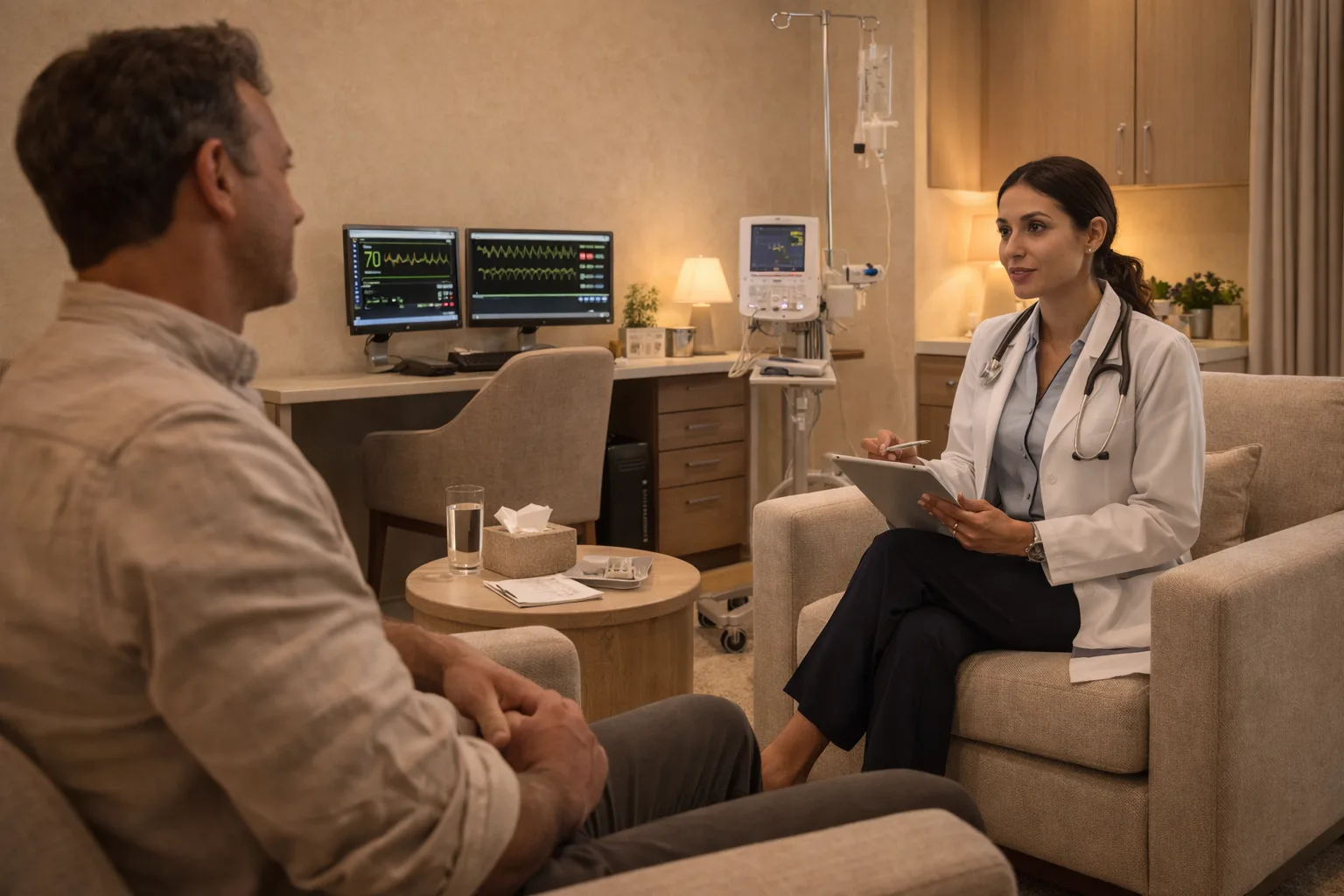
Medical Detox and Stabilization
Heroin withdrawal is intensely uncomfortable and carries serious risk of relapse-related overdose due to rapidly reduced tolerance. Our clinical team provides 24/7 monitoring with MAT protocols — buprenorphine, clonidine, and supportive medications — to make detox safe and manageable.
Evidence-Based Therapy
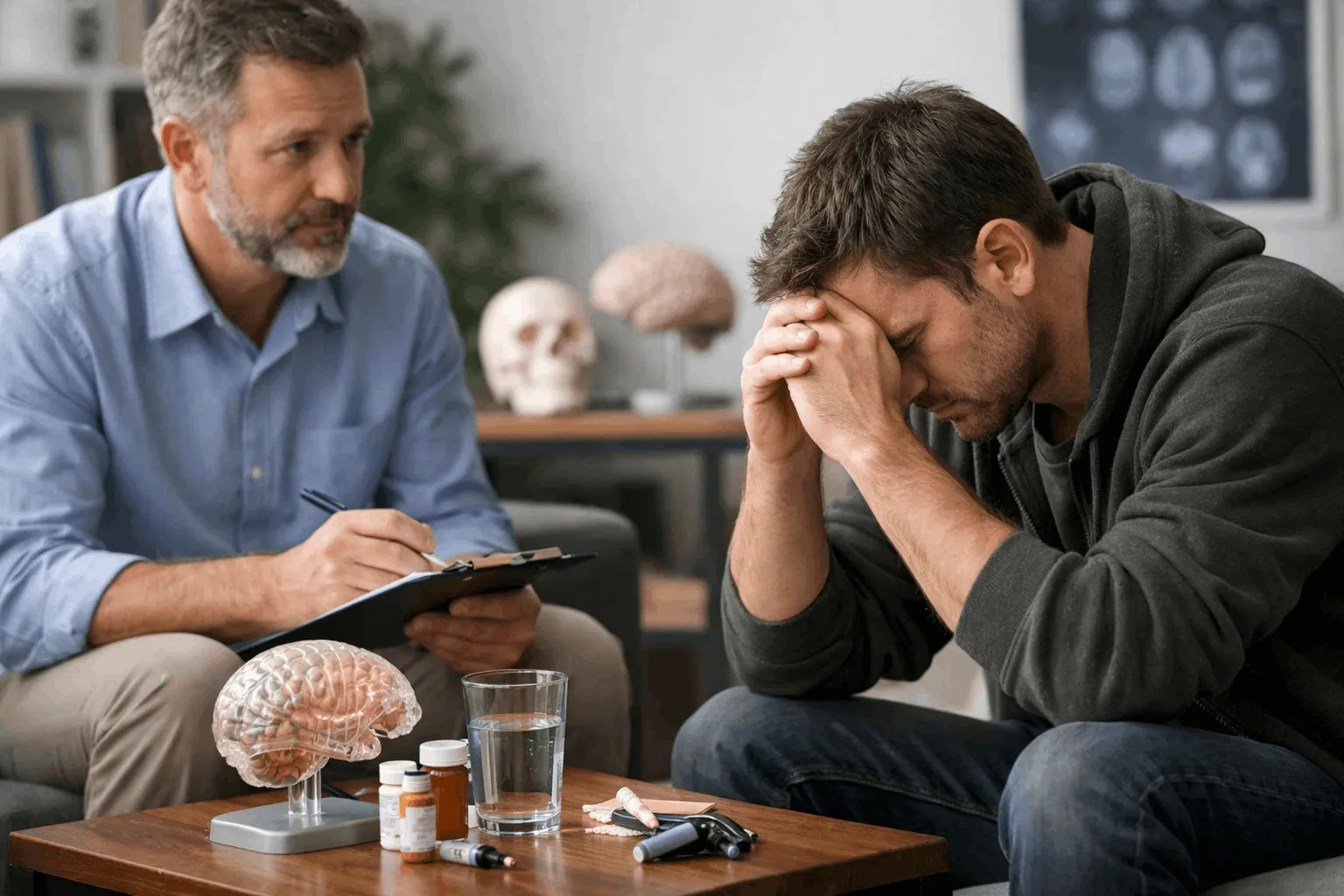
CBT, DBT, and motivational interviewing address the psychological drivers of heroin dependence — the emotional pain, trauma, and conditioned cravings that sustain compulsive use. Individual and group sessions run in parallel throughout treatment.

Integrated Dual Diagnosis Care
Heroin addiction frequently co-occurs with depression, anxiety, PTSD, and trauma. We treat both the addiction and any underlying mental health condition simultaneously — because lasting recovery depends on it.

Aftercare and Long-Term Support
Recovery extends beyond discharge. Our step-down PHP/IOP programming and alumni community keep clients connected, accountable, and supported during the months and years that follow residential treatment.

Start Your Recovery from Heroin Addiction Today
You don't have to face heroin addiction alone. Our team of compassionate clinicians is available around the clock — confidentially, and without pressure — to guide you toward lasting recovery.
FAQ about Heroin Addiction
Is heroin withdrawal life-threatening?
Heroin withdrawal itself is rarely directly fatal for otherwise healthy adults, but it carries extremely high relapse risk. The greatest danger is fatal overdose following abstinence when tolerance has dropped. Even a few days of abstinence dramatically lowers tolerance, meaning a previously tolerated dose can be lethal. Medically supervised detox is the safest environment because clinical staff can manage symptoms around the clock and intervene immediately.
What is MAT and is it used for heroin addiction?
Medication-Assisted Treatment (MAT) — primarily buprenorphine (Suboxone) and methadone — is the evidence-based standard of care for opioid use disorder endorsed by SAMHSA, NIDA, and the World Health Organization. MAT reduces cravings, eliminates the cycle of withdrawal-driven use, and cuts overdose mortality by more than 50 percent. Our Medical Director evaluates each client individually to determine the appropriate medication, dose, and duration.
Does insurance cover heroin addiction treatment?
Yes. We're in-network with HealthSmart, MultiPlan, PMCS, and TriWest, and most major commercial PPO plans — Blue Cross Blue Shield, Aetna, United Healthcare, Anthem, Cigna, Optum, and others — cover medically supervised detox and residential treatment for opioid use disorder under the Mental Health Parity and Addiction Equity Act. Exact coverage depends on your specific plan, level of care, and length of stay. Our admissions team verifies your benefits in detail — usually within one business day — before you commit to anything.
How high is the risk of relapse after heroin treatment?
Relapse risk is significant, particularly in the first 90 days of recovery. The most dangerous moment is a return to use after any period of abstinence — tolerance drops during detox, meaning the dose a person previously used can be fatal after even a brief break. This is why structured aftercare — PHP, IOP, alumni programming, and ongoing outpatient therapy — is treated as an essential part of treatment, not an optional add-on.
Do you treat heroin addiction alongside depression, anxiety, or trauma?
Yes — and this is often essential. Studies consistently show that untreated co-occurring mental health conditions are one of the primary drivers of relapse. Our integrated dual-diagnosis model addresses both the addiction and the underlying mental health condition within the same program and with the same clinical team, rather than treating them sequentially in separate programs.
Is residential treatment necessary, or can I do outpatient?
For most heroin use disorder cases, residential treatment offers a significant advantage: removal from the home environment eliminates immediate access to the substance and distances the client from triggers, people, and places associated with use. Outpatient programs (PHP and IOP) are clinically appropriate as a step-down following residential stabilization, or for clients whose home environment is stable and supportive. Our admissions team assesses the right level of care for each individual at intake.
What does heroin addiction treatment look like at Bliss Recovery?
Treatment begins with a medically supervised detox managed by our on-site physicians using an individualized MAT protocol. Once medically stable, clients move into residential programming that integrates evidence-based individual and group therapy — CBT, DBT, and trauma-informed care — alongside psychiatric support for co-occurring conditions. Before discharge, our clinical team builds a structured aftercare plan that typically includes PHP or IOP step-down care and alumni programming.
Related conditions
Related conditions include fentanyl addiction, opiate addiction, and methamphetamine addiction. Explore the full range of substance use we treat, and learn how medical detox supports a safe start to treatment.
Come home to yourself.
A luxury alcohol and substance abuse rehabilitation facility in two adjacent Hollywood Hills residences — from medically supervised detox through aftercare and beyond.