.svg)
.svg)
.svg)
.svg)
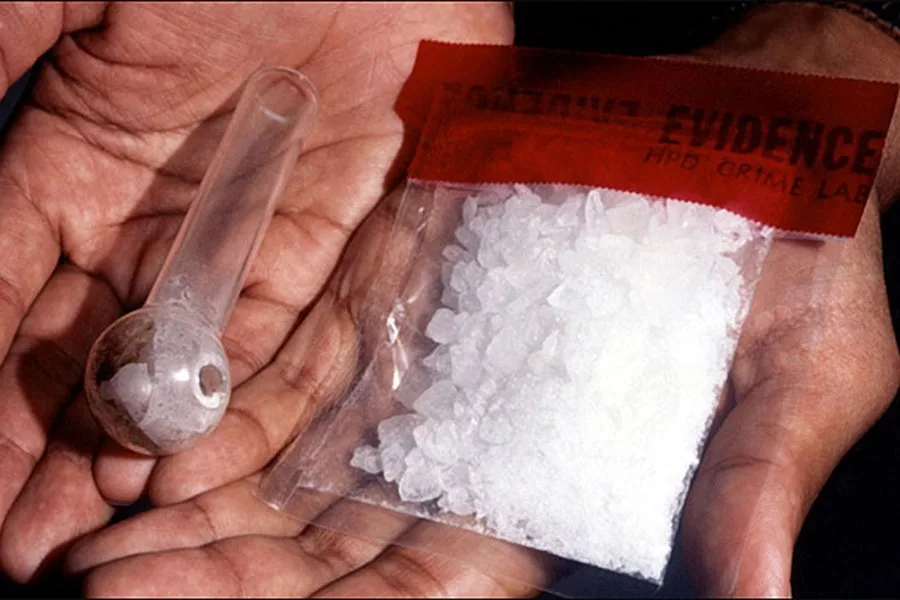
Methamphetamine Rehab in Los Angeles
Methamphetamine rehab at Bliss Recovery combines medical detox, residential care, PHP and IOP, and dual diagnosis treatment in two private Hollywood Hills residences. One clinical team stays with you from intake through aftercare.
At a glance
Key Takeaways

What Is Methamphetamine Addiction?
Methamphetamine addiction, clinically called methamphetamine use disorder, is a medical condition in which repeated use leads to physical or psychological dependence that continues despite harm to health, work, or relationships. It is not a moral failing, and it responds to structured clinical care.
Here at Bliss Recovery, that care starts with medically supervised detox and continues through residential treatment and outpatient step-down, so there is no gap between stabilizing and rebuilding.
Methamphetamine withdrawal involves an intense depressive crash, fatigue, anxiety, and powerful cravings. There is no FDA-approved medication specifically for meth withdrawal, making clinical support essential.
Signs and Symptoms of Methamphetamine Addiction
Physical signs
- Tolerance — needing more of the substance to achieve the same effect
- Withdrawal symptoms when use is reduced or stopped
- Physical health changes associated with sustained use
- Using to avoid or manage withdrawal rather than for the original effect
Behavioral and psychological signs
- Continued use despite negative consequences — to relationships, work, health, or safety
- Failed attempts to reduce or stop despite wanting to
- Preoccupation with obtaining, using, or recovering from the substance
- Withdrawal from activities, relationships, and responsibilities previously valued
- Using to manage emotional states, stress, or underlying mental health symptoms
Methamphetamine Treatment Programs at a Glance
Care at Bliss moves through one connected continuum, with the same clinical team beside you at every step. Most people start where their needs are highest and step down as stability builds, and we can review your insurance benefits at no cost before you commit.
- Medical Detox
Medically supervised support through the withdrawal crash, with 24/7 physician and nursing oversight in a private suite. - Residential Treatment
Live-in care in our Hollywood Hills residences, with daily therapy and full clinical support. - Partial Hospitalization Program
Structured programming several hours a day, five days a week, with more independence. - Intensive Outpatient Program
Therapy two to three times per week while you return to work, school, and daily life. - Aftercare & Alumni
Ongoing clinical availability, alumni gatherings, and long-term connection after treatment.
Co-Occurring Mental Health Conditions
Methamphetamine addiction often co-occurs with depression, anxiety disorders, PTSD, bipolar disorder, and stimulant-induced psychosis. Our integrated dual diagnosis approach treats the addiction and any co-occurring condition at the same time, not one after the other.
Start your recovery
Our admissions team is available around the clock — confidentially, and without pressure.
What Does Research Say About Methamphetamine Addiction
According to the National Institute on Drug Abuse (NIDA), more than 2.5 million Americans reported using methamphetamine in the past year, with a sharp rise in hospitalizations related to meth-induced psychosis and cardiac emergencies. Research led by Dr. Nora Volkow, Director of NIDA, and Dr. Ruben Baler has shown that methamphetamine significantly alters the brain’s dopamine and serotonin systems, impairing memory, motivation, and emotional regulation. Studies published by Harvard Medical School and the Centers for Disease Control and Prevention (CDC) reveal that methamphetamine use is often linked to severe mental health conditions, including anxiety, depression, and paranoia, as well as an increased risk of stroke and cognitive decline.
Recent medical research also indicates a rise in fentanyl-laced methamphetamine, making medically supervised detox essential for safety. These findings reinforce the need for evidence-based treatment that combines medical stabilization, behavioral therapy, and holistic care—core pillars of the Bliss Recovery program.
Treatment at Bliss Recovery
Clinical assessment
Thorough evaluation covering substance use, mental health, medical history, and individual goals.
Medically supervised detox
Methamphetamine detox focuses on managing the depressive crash, sleep disruption, and psychological symptoms. Supportive medications may include hydroxyzine, gabapentin, and mood-stabilizing support.
Residential treatment
Immersive live-in care in a private Hollywood Hills estate. Individual and group therapy, psychiatric care.
PHP & IOP step-down
Structured outpatient that maintains momentum as clients reintegrate into daily life.
Four Pillars of Methamphetamine Addiction Care

Medical Detox and Stabilization
Meth withdrawal produces a severe depressive crash with extreme fatigue, anxiety, and powerful cravings. Our clinical team provides 24/7 support using evidence-based protocols to stabilize mood and reduce the risk of self-harm during the acute phase.

Evidence-Based Therapy
CBT, contingency management, and motivational interviewing are the evidence-based cornerstones of meth addiction treatment. Individual and group sessions address the dopamine-driven thought patterns and behavioral cues that sustain compulsive use.

Integrated Dual Diagnosis Care
Methamphetamine addiction frequently co-occurs with depression, anxiety, PTSD, and psychosis. We treat both the addiction and any underlying mental health condition simultaneously — because lasting recovery depends on it.

Aftercare and Long-Term Support
Recovery extends beyond discharge. Our step-down PHP/IOP programming and alumni community keep clients connected, accountable, and supported during the months and years that follow residential treatment.

Start Your Recovery from Methamphetamine Addiction Today
You don't have to face methamphetamine addiction alone. Our team of compassionate clinicians is available around the clock — confidentially, and without pressure — to guide you toward lasting recovery.
FAQ about Methamphetamine Addiction
Is there medication for meth addiction?
There is currently no FDA-approved medication for methamphetamine use disorder. Treatment relies on behavioral therapies such as cognitive behavioral therapy (CBT), along with medical monitoring during withdrawal. Our medical team can address symptoms like disrupted sleep or anxiety as part of detox.
What does meth withdrawal feel like, and is it dangerous?
Meth withdrawal often brings a depressive crash, deep fatigue, increased appetite, anxiety, and strong cravings. It is not typically linked to the seizure risk seen with alcohol or benzodiazepine withdrawal, but low mood can be significant. That is why we provide medically supervised detox with round-the-clock monitoring.
How long does methamphetamine addiction treatment take?
It depends on your needs and progress. Detox typically runs 5 to 10 days, residential care often lasts 30 to 90 days, and PHP and IOP step-down can continue for several weeks after that. We build the timeline with you rather than around a fixed program length.
Does insurance cover methamphetamine addiction treatment at Bliss Recovery?
Many PPO plans include benefits for addiction treatment, but coverage depends on your specific plan and level of care. We work with most major PPO plans and also welcome out-of-network and private pay. We verify your benefits at no cost before admission.
Do you treat meth addiction alongside depression, anxiety, or psychosis?
Yes. Our dual diagnosis care treats methamphetamine use disorder and co-occurring conditions such as depression, anxiety, PTSD, and stimulant-induced psychosis at the same time. One clinical team coordinates both, so neither is left unaddressed.
Is residential treatment necessary for methamphetamine addiction, or can outpatient work?
It depends on the severity of use, your health, and your home environment. Many people start in residential care for the structure and distance from triggers it provides, then step down to PHP or IOP. Others may begin in outpatient care when a clinical assessment shows it fits their needs.
Related conditions
Related conditions include cocaine addiction, heroin addiction, and marijuana addiction. Explore the full range of substance use we treat, and learn how medical detox supports a safe start to treatment.
Come home to yourself.
A luxury alcohol and substance abuse rehabilitation facility in two adjacent Hollywood Hills residences — from medically supervised detox through aftercare and beyond.