.svg)
.svg)
.svg)
.svg)

The people who came back.
"I came in angry. I left less afraid."
An essay from an alum who came through twice — first in 2024, again in 2025 — on what changed in the middle, and what she wishes her family had known on the first call.
Alumni share what they were willing to share, with their first names attached. We never publish full names or photographs without permission.
"For the first time in a year, I slept through the night. By week three I had stopped flinching when the phone rang."

"I'd been to four other places. This one was the first that didn't feel like I was being processed."
"They treated the anxiety and the drinking as one thing. Every other place treated the anxiety with another drink."

"The mornings were the hardest part of my life. Now they're the part I look forward to."
"I came in convinced I was the worst person in the room. I left understanding I was an average one."

"Same clinician from intake to discharge. That's the single most important thing about this place."
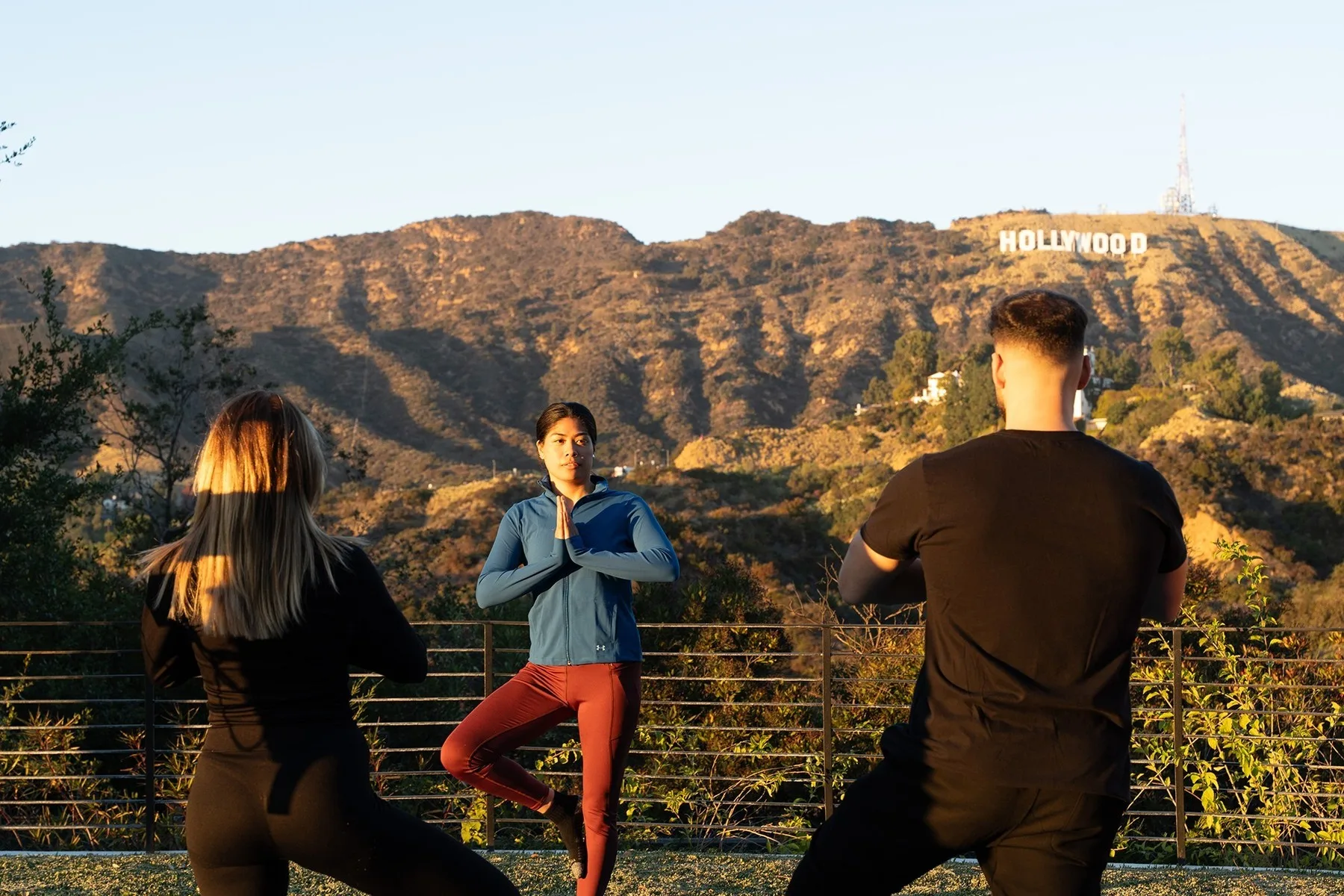
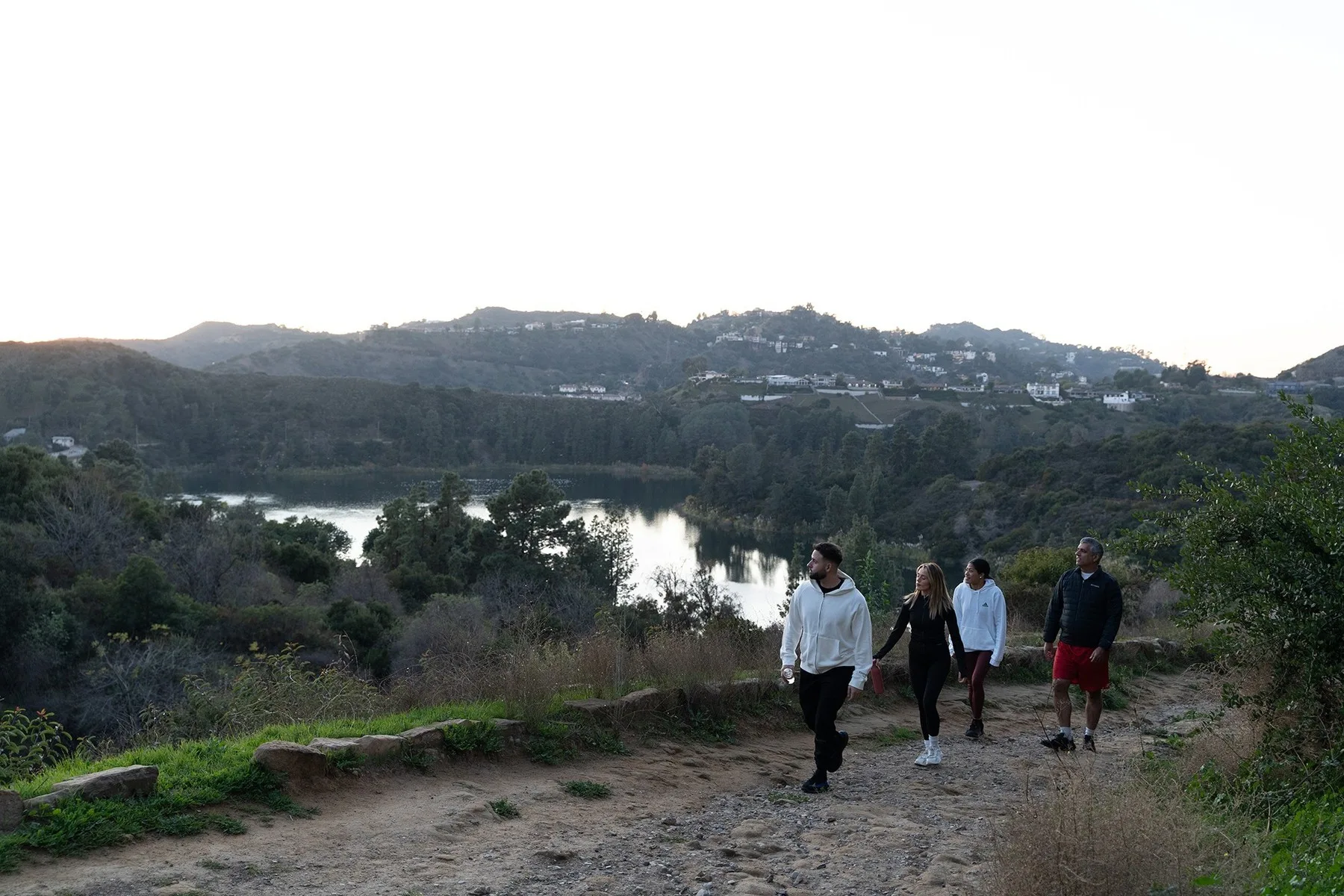
 Hillside, dusk
"I came in angry. I left less afraid."
A long-form essay from an alum who came through the program twice — first in 2024, again in 2025. On the difference, on what changed in the middle, and on what she wishes her family had known on the first call.
Published as part of our Alumni Voices series. The author asked us to leave her name off; everything else is in her own words.
14-minute read · published May 2026
Voices From Families.
"They were the first place I called that didn't make me feel like I was being sold something."— Mother of an alum, 2024
"The family therapy was the reason we stayed in this together. We needed it as much as he did."— Wife of an alum, 2024
"I've watched my sister try to get sober four times. This was the first time I believed her."— Sister of an alum, 2025
"They called us when we were the ones who needed to talk. That had never happened before."— Father of an alum, 2024
"He came home different. Not fixed — different. That's what we were hoping for and didn't know how to ask for."— Partner of an alum, 2024
"They told us the truth about what insurance covered. Nobody else had done that."— Parent of an alum, 2025
Questions About The Alumni Program
How does the alumni program work?
The Bliss Recovery alumni program is a structured continuing-care community that begins at discharge and continues indefinitely. Graduates have access to weekly alumni gatherings (both in-person in the Hollywood Hills and virtual), a private peer network, and ongoing contact with their clinical team. Participation is voluntary and self-directed — alumni engage as much or as little as their recovery supports.
Is the alumni program free?
Yes. Alumni community access — including all gatherings, the peer network, and outreach from our clinical staff — is included for every Bliss Recovery graduate at no additional cost. There is no subscription, no membership fee, and no time limit.
How do I join alumni events?
Your discharge coordinator registers you for the alumni network before you leave. You will receive a welcome message within 48 hours of discharge with the current event calendar, a private group link, and a direct contact for your alumni coordinator. If you are a graduate and have not received this, call us at (323) 798-4411 and we will reconnect you.
Can family members participate in alumni activities?
Selected alumni events include a family component — typically quarterly family dinners and an annual alumni and family day at the residence. Family members who completed our Family Support Program are also invited to a separate family alumni network. Your alumni coordinator can share the current schedule.
What if I need additional clinical support after discharge?
Our clinical team remains available to alumni who need a step-up in care. If you feel your recovery needs more structure — whether that means returning to IOP, scheduling additional individual sessions, or a brief residential stay — call us at (323) 798-4411. Alumni placements are prioritized and typically arranged within 24–48 hours.
How does Bliss Recovery protect alumni privacy?
Alumni who share their stories on this page do so voluntarily and with explicit written consent. We publish first names only, never photographs, and never disclose diagnostic or treatment details. All alumni communications are handled through our HIPAA-compliant platform. You will never be contacted for marketing purposes without your permission.
Your community doesn't end at discharge.
Sobriety is stronger in community. Our alumni program keeps you connected through events, peer support, and continued care.