Residential Program · Lakeview02 Residences · 12 residents
ProgramsLevels of care · therapy · specialty
Residential Rehab Program in Los Angeles
Bliss Recovery's residential program provides live-in addiction treatment in our private Hollywood Hills setting in Los Angeles, with individualized, evidence-based care.
Removing a person from their everyday environment — the triggers, relationships, and routines that reinforce substance use — and placing them in a structured therapeutic setting is associated with better outcomes than outpatient-only care for moderate-to-severe addiction. The research on this is consistent.
01
Removes everyday stressors
The daily triggers of home life — work pressure, relationship conflict, access to substances, familiar routes and habits — are removed. The nervous system can settle enough for clinical work to actually happen.
02
A safe space for healing
Early recovery is neurologically and emotionally destabilizing. Residential care provides 24/7 clinical availability in a contained environment — help is always accessible, not a phone call away.
03
Trauma addressed at a gentle pace
Trauma work requires the kind of sustained clinical relationship and day-by-day pacing that only residential care can provide. Outpatient sessions are too brief and too infrequent for the depth this work requires.
04
Clinical intensity that matches the problem
Moderate to severe substance use disorders require an intensity of clinical intervention that outpatient care cannot deliver. Daily individual therapy, group work, psychiatric oversight, and holistic programming in a continuous structure — that is residential.
Ready to start your recovery?
Call our admissions team. We answer 24/7 and can verify your insurance in the same conversation.
Residential treatment is 24-hour structured care in a live-in facility. Clients stay on-site, participate in daily clinical programming, and receive continuous support from a multi-disciplinary clinical team — therapist, psychiatrist, Medical Director, and case manager. Unlike PHP or IOP, there is no commute, no return to a home environment between sessions, and no break from the therapeutic container.
The structure is deliberate. Early recovery is destabilizing — cognitively, emotionally, and neurologically. Residential care holds that instability in a contained environment where clinical support is always available, and where the work of treatment is not in competition with the demands of daily life.
A different kind of care
Not a hospital. Not a retreat.
Bliss Recovery is neither a clinical institution nor a wellness spa. It is a residential treatment program with serious clinical infrastructure in a private, comfortable setting. The clinical rigor is real — individual therapy five days per week, psychiatric management, evidence-based modalities, dual diagnosis treatment. So is the environment — a private Hollywood Hills estate, chef-prepared meals, and a small community of peers.
The luxury setting is not incidental. A high-quality physical environment reduces the activation that makes early recovery harder and creates the conditions in which clinical work can actually happen. It is part of the treatment, not a marketing feature.
Setting as therapy
The Environment Is Part of the Treatment.
The physical setting — the Hollywood Hills location, the private estate, the small community size — is not background. It is a clinical design decision. Recovery requires a nervous system that can settle enough to do the hard work of therapy. An environment that is calm, beautiful, and free from the triggers and stressors of a client's home context creates the conditions for that work to happen.
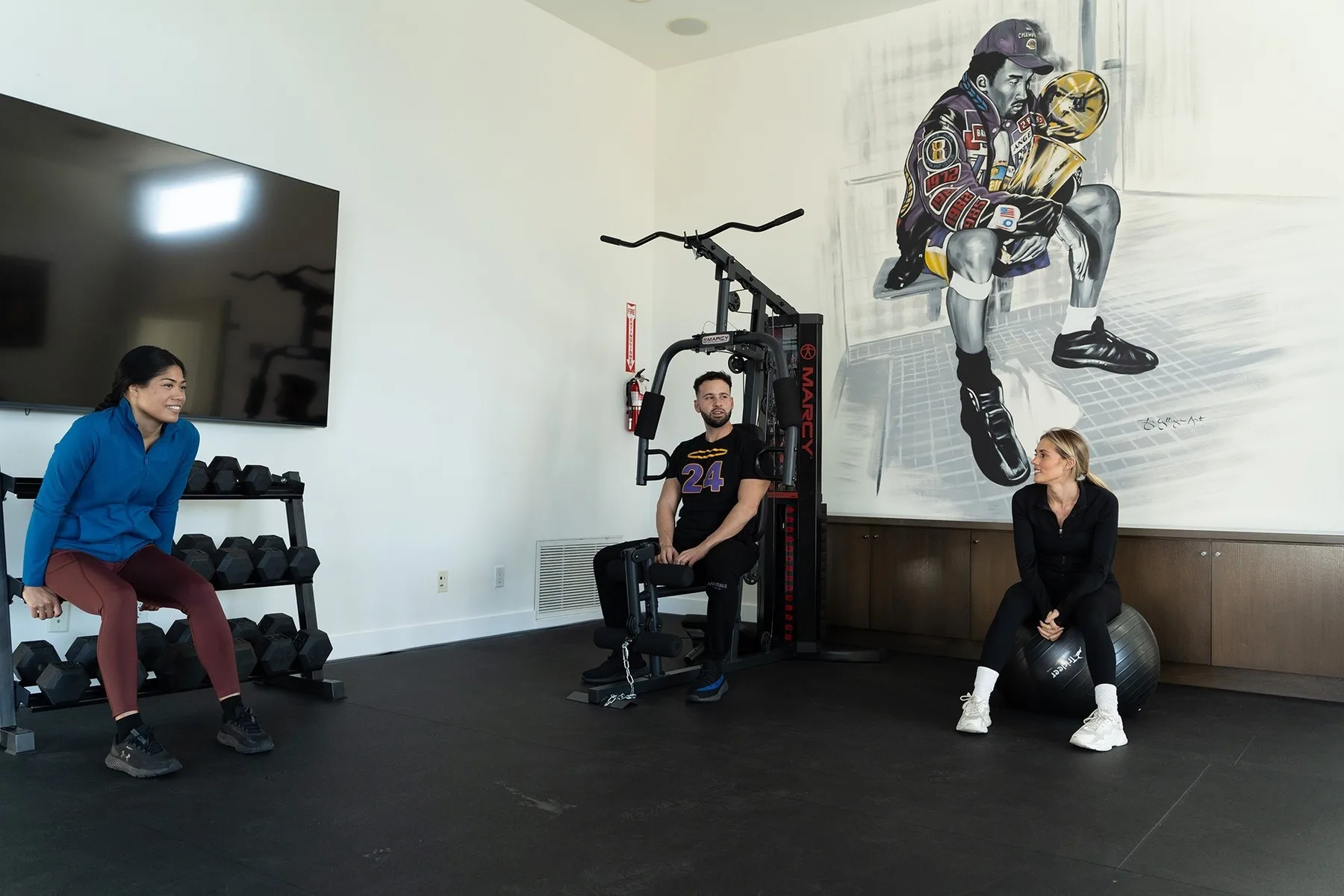
Six clients per residence — 12 in total across both properties. A maximum ratio of six clients per therapist. Canyon hikes, yoga, and pool access. These details exist because the evidence supports them — not because they photograph well.
Hollywood Hills
Why the Hollywood Hills Setting Enhances Healing
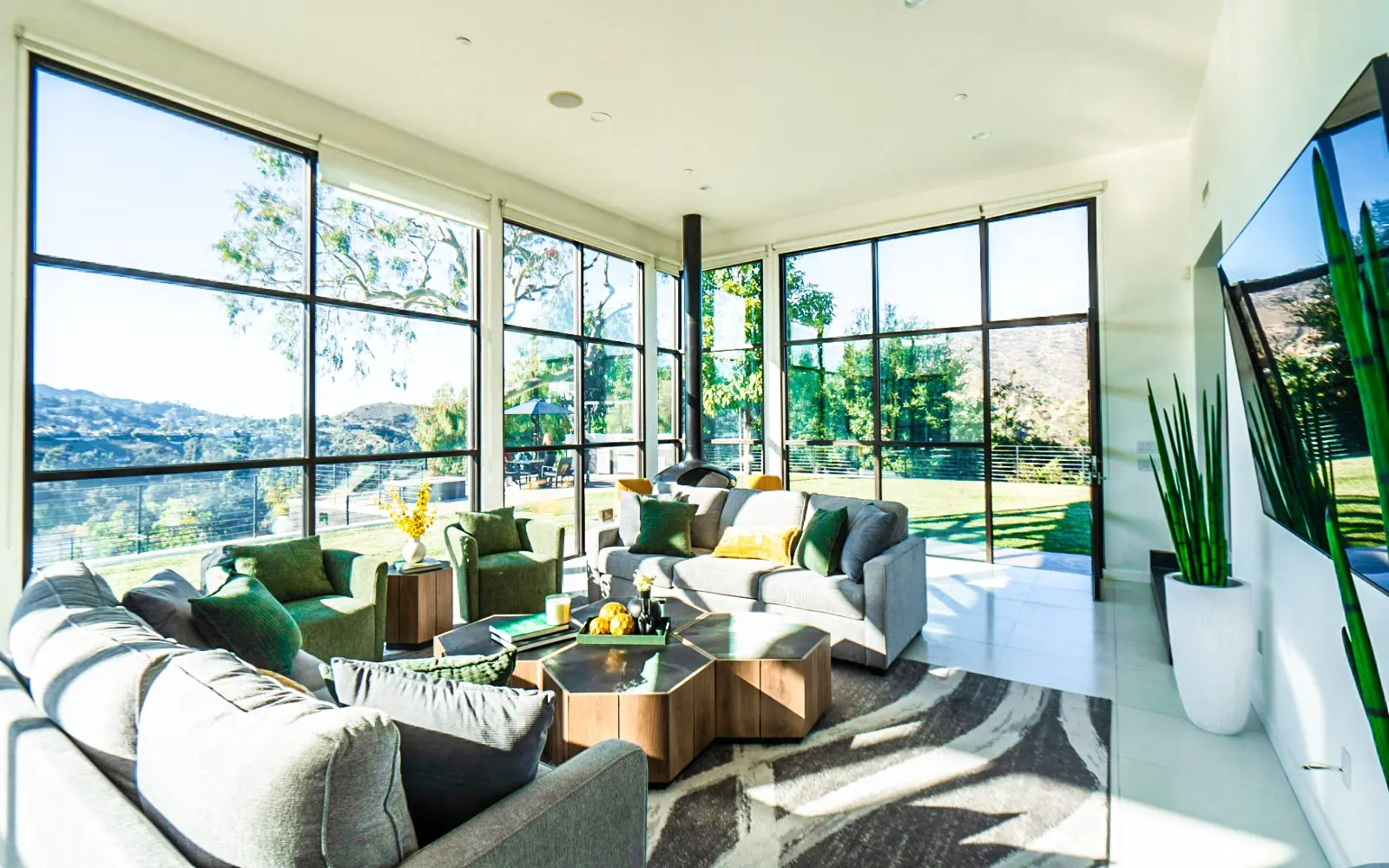
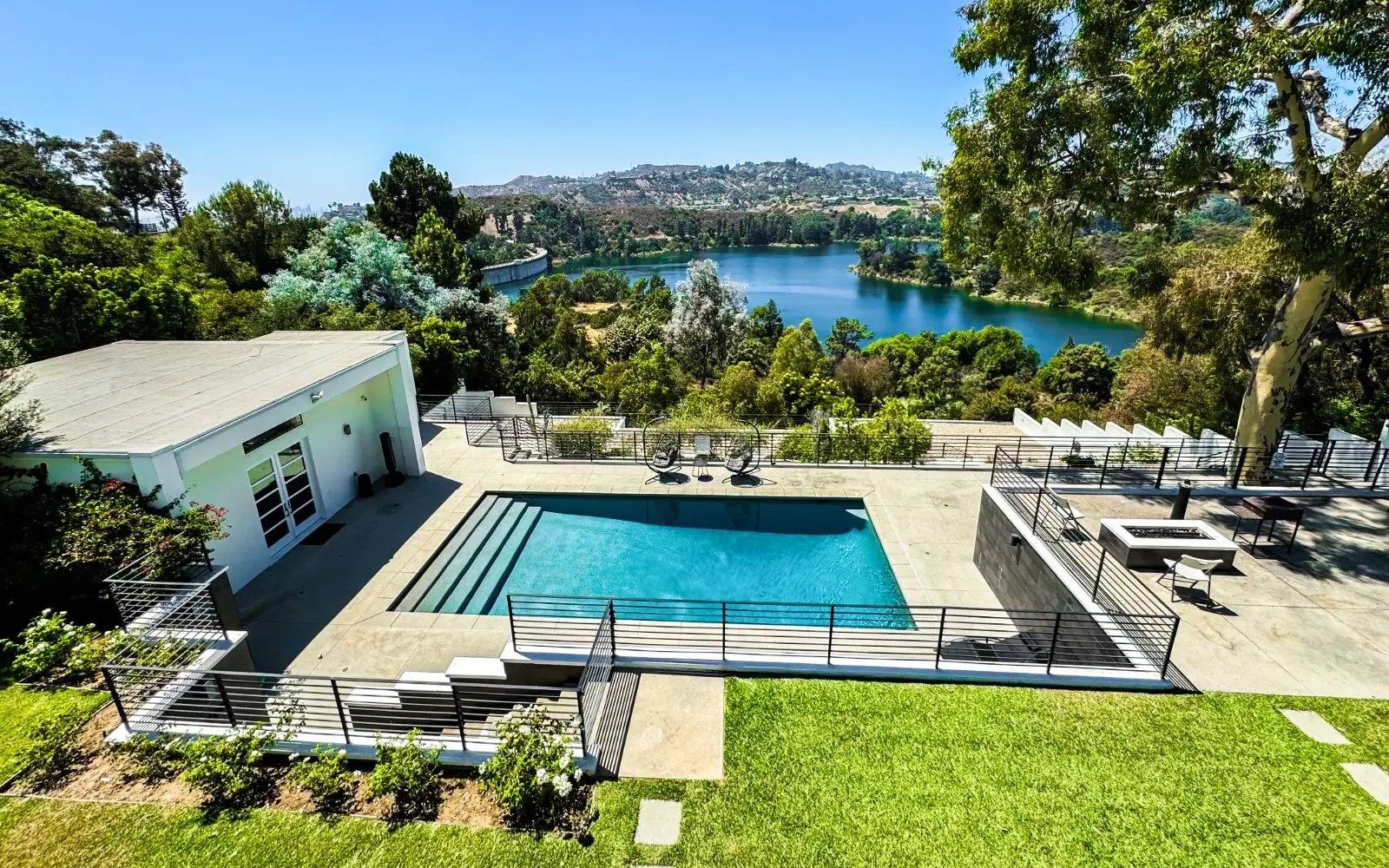
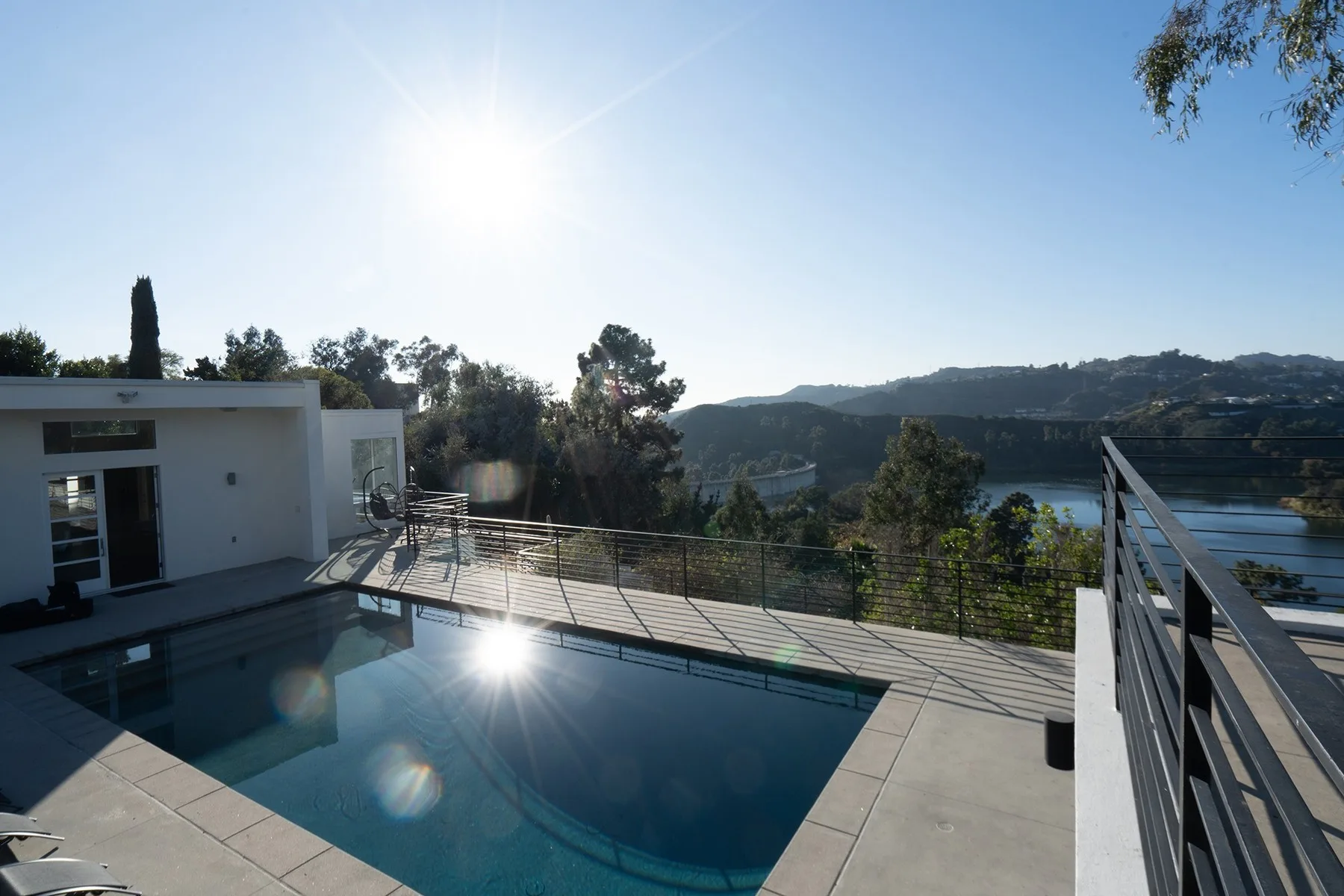
The Bliss Recovery properties sit above the city in the Hollywood Hills. The location is deliberate — a physical environment designed to hold the conditions recovery requires: calm, privacy, natural light, and distance from the places and patterns that reinforced substance use.
Private and semi-private bedrooms with hilltop views — space that belongs to you
Outdoor patios and quiet lounge areas for reflection and rest between sessions
Scenic walking paths and direct access to Hollywood Hills canyon hiking trails
Dedicated spaces for yoga, meditation, and bodywork
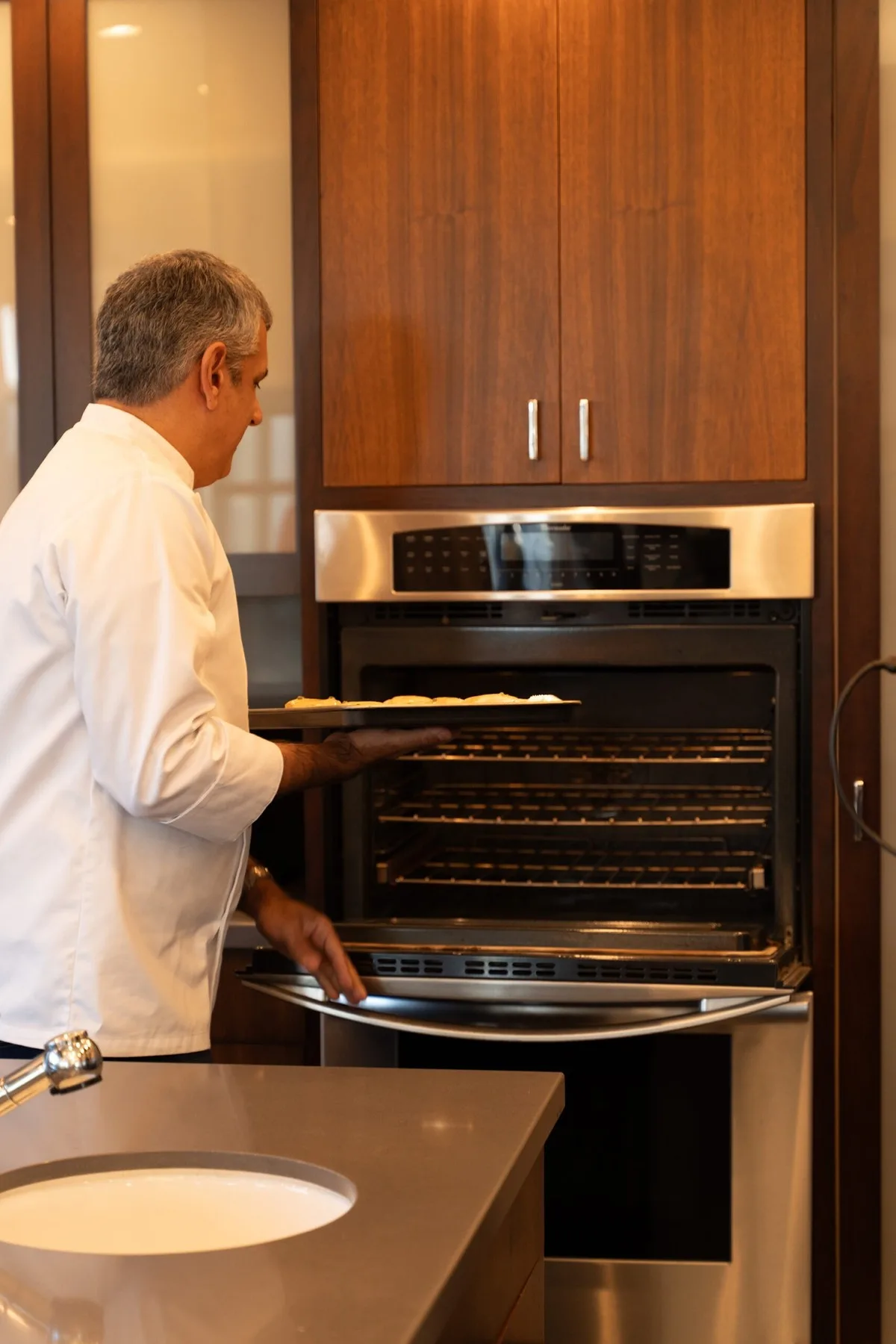
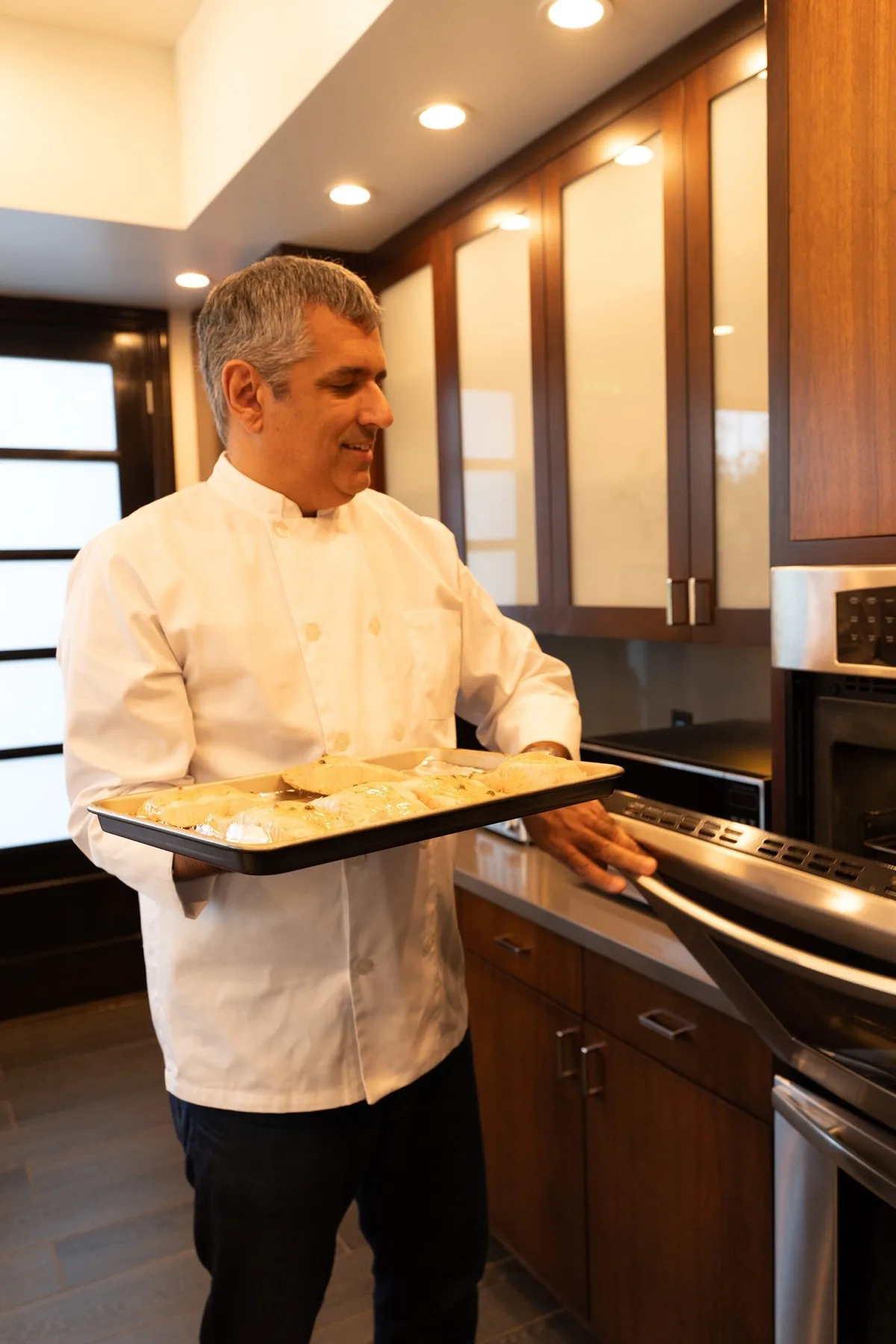
Chef-prepared meals delivered three times daily — nutritional recovery is clinical, not cosmetic
A serene, home-like environment — not a clinical institution, not a hotel
First 48 hours
What to Expect on Arrival
The first day begins with a full clinical intake: psychiatric evaluation, individual therapy assessment, case management orientation, and a review of your detox protocol and any prior treatment history. Your care team is introduced, your room assignment is made, and the program structure is explained clearly. There is no orientation period of confusion — the first day is clinically structured from arrival.
01
Psychiatric evaluation
A complete psychiatric history and mental status exam performed by your assigned psychiatrist. Co-occurring conditions are identified, current medications reviewed, and a psychiatric care plan established from day one.
02
Individual therapy assessment
Your dedicated therapist conducts an intake assessment covering addiction history, trauma, family dynamics, and therapeutic goals. This becomes the foundation of your individualized treatment plan.
03
Medical review
Your Medical Director reviews any detox medications in taper, current health status, and any medical conditions requiring ongoing management during residential care.
04
Case management orientation
Your case manager reviews insurance, schedules, family communication protocols, and any logistical questions about the program. They are your point of contact for the non-clinical aspects of your stay.
05
Program orientation
The daily schedule, group programming, house rules, and communication protocols are explained clearly. What to expect on day two — and every day after — is not ambiguous.
Ready to start your recovery?
Call our admissions team. We answer 24/7 and can verify your insurance in the same conversation.
Your presence in treatment, the details of your diagnosis, and the events of your stay belong in your hands alone. We do not communicate with anyone — family, employer, or otherwise — without your explicit written consent.
Each client is assigned a dedicated therapist at admission. This therapist provides regular individual therapy sessions guided by evidence-based modalities selected for the client's presentation — not a standardized curriculum. The therapeutic relationship begins in residential and continues through PHP, IOP, and aftercare. The treatment plan evolves; the clinician does not change.
Cognitive & dialectical
CBT & DBT
Cognitive Behavioral Therapy (CBT) is the most extensively studied psychotherapy for addiction. It works by identifying the specific thought patterns and behavioral cycles that maintain substance use, then building concrete skills to interrupt them. At Bliss Recovery, CBT is not a protocol applied uniformly — it is adapted to each client's specific patterns and integrated into the ongoing therapeutic relationship.
Dialectical Behavior Therapy (DBT) is indicated when emotional dysregulation is a primary driver of substance use. The four skills modules — distress tolerance, emotional regulation, mindfulness, and interpersonal effectiveness — are taught through both individual sessions and skills groups. DBT is particularly effective for clients with co-occurring borderline features, PTSD, or mood disorders.
Trauma-focused
EMDR
Eye Movement Desensitization and Reprocessing (EMDR) is a structured trauma therapy with a strong evidence base for PTSD and trauma-related presentations. It is particularly relevant in addiction treatment because unresolved trauma is one of the most common drivers of substance use — and one of the most commonly undertreated.
EMDR at Bliss Recovery is delivered by a trained clinician as part of the individual therapy relationship. It is not offered to every client — it is indicated when a trauma history is a significant clinical factor. Your therapist will assess whether it is appropriate for your specific situation and explain the protocol clearly before beginning.
Neurobiological trauma processing
Brainspotting
Brainspotting is a focused, neurobiological approach to trauma processing that identifies and releases the brain-body connection to distressing memories. It works by locating specific eye positions — "brainspots" — that correlate with stored trauma, allowing the nervous system to process and release material that talk therapy alone may not reach.
At Bliss Recovery, Brainspotting is available when the clinical team determines it is appropriate for a client's specific presentation. It is particularly indicated for trauma, PTSD, and somatic symptoms of unresolved distress. Your therapist will assess whether it fits your situation and walk you through the process before beginning.
Additional modalities
Motivational & Somatic Therapies
Motivational Interviewing (MI)
A structured clinical conversation designed to resolve ambivalence about change. Used at admission and throughout residential care when motivation fluctuates — which it will.
Acceptance & Commitment Therapy (ACT)
Builds psychological flexibility through acceptance of difficult thoughts and emotions, and commitment to values-based action. Particularly effective for clients with high cognitive rigidity or chronic relapse patterns.
Somatic therapy
Trauma and addiction are stored in the body as well as the mind. Somatic approaches — body scan, movement-based interventions, somatic experiencing — address the physiological dimensions of recovery that talk therapy alone does not reach.
Psychodynamic therapy
Where clinically indicated, deeper exploration of unconscious patterns, early attachment, and relational dynamics that shape addictive behavior. Not the primary modality for all clients — applied when the therapeutic relationship and clinical picture support it.
Brainspotting
A focused, neurobiological approach to trauma processing that identifies and releases the brain-body connection to distressing memories. Available when the clinical team determines it is appropriate.
Peer process
Group Therapy and Community
Group therapy at Bliss Recovery is clinician-facilitated process group — not psychoeducation, not check-ins, not 12-step meetings. A licensed therapist leads a structured group focused on interpersonal process, emotional regulation, and peer accountability. The content emerges from what is actually happening in the community that week.
The small community size — twelve residents maximum — means group therapy functions as intended. Members know each other. The process is real. Feedback lands because it comes from people in the same situation who have been paying attention.
Psychiatric care
Dual Diagnosis Treatment
Addiction rarely shows up alone. When depression, anxiety, PTSD, or another condition is part of the picture, treating one and leaving the other unaddressed leaves the work unfinished. Our dual diagnosis care runs both tracks together, with your therapist and psychiatrist working from the same plan.
01
Psychiatric Assessment
On arrival, you receive a psychiatric evaluation to understand co-occurring needs like depression, anxiety, PTSD, bipolar disorder, or ADHD.
02
Coordinated Plan
Your therapist and psychiatrist align weekly so therapy and medications support one another.
03
Medication Continuity
If medication is part of your care, we manage it through residential and coordinate step-down to PHP/IOP.
04
Integrated Therapy
CBT, DBT, mindfulness, and EMDR (when indicated) target both substance use and the patterns that fuel it.
Family involvement
Family Program
Addiction does not happen in isolation. The family system is affected — often profoundly — and the research on family involvement in treatment is clear: outcomes improve when family members are included in a structured, clinically supervised way. The Bliss Recovery family program provides that structure.
01
Family therapy sessions
Scheduled sessions with your therapist and selected family members. Frequency and format are determined by clinical need and client preference. The focus is on the therapeutic work, not a performance.
02
Family education
A structured series covering the neuroscience of addiction, the role of enabling and codependency, communication approaches that support recovery, and what to expect across the continuum of care.
03
Al-Anon and family peer support
Connection to Al-Anon, Nar-Anon, and other peer support resources for family members. Family recovery is real — and supported.
04
Discharge planning with family
The discharge plan includes family as appropriate — expectations, communication agreements, and a clear picture of what step-down care looks like so family members are not left guessing.
Ready to start your recovery?
Call our admissions team. We answer 24/7 and can verify your insurance in the same conversation.
The holistic program at Bliss Recovery is integrated into the clinical schedule — not optional add-ons or amenities. Movement, mindfulness, and body-based practices have strong evidence for their role in recovery and are delivered as part of the weekly program.
Daily yoga & movement
Morning yoga six days per week, adapted to individual physical condition. Movement is a clinical priority — not a luxury perk.
Breathwork & meditation
Structured breathwork and mindfulness practice. Evidence-based protocols for reducing autonomic arousal, managing cravings, and building present-moment awareness.
Acupuncture
NADA protocol acupuncture offered weekly. Well-supported for reducing withdrawal discomfort, anxiety, and cravings in early recovery.
Massage therapy
Therapeutic massage available as part of the somatic recovery program. Physically and neurologically significant for clients in early recovery.
Canyon hikes & outdoor activity
Supervised canyon hikes and outdoor programming in the Hollywood Hills. Nature exposure and physical activity are not optional extras — they are part of the clinical model.
Chef-prepared nutrition
Three meals daily prepared by a private chef. Nutritional recovery is a real clinical intervention — the body replenishes during residential, not just the mind.
Art therapy, journaling & creative expression
Structured creative sessions using visual art, writing, and expressive practices as therapeutic tools. Creative expression accesses emotional material that verbal therapy does not always reach, and builds self-awareness outside the clinical hour.
Culinary care
Three Meals Daily. Prepared by a Private Chef.
Nutritional rehabilitation is a meaningful component of early recovery. Substance use depletes B vitamins, zinc, magnesium, and other nutrients essential for neurological function. A private chef prepares three nutritionally complete meals daily, with dietary restrictions and preferences accommodated without exception.
Meals are served family-style in the dining room. They are part of the community life of the program — not just fuel. Sitting down together matters.
Daily rhythm
A Typical Day in Residential
7:00 AMMorning yoga or movement practice — sets the physiological tone for the day
8:00 AMBreakfast · chef-prepared · served family-style
9:00 AMIndividual therapy — 50 minutes with your dedicated clinician
10:30 AMProcess group — clinician-facilitated, 90 minutes
12:30 PMLunch + unstructured time — peer connection, journaling, rest
2:00 PMSpecialized group — skills-based, psychoeducation, or trauma-focused, depending on the day
4:00 PMHolistic activity — acupuncture, breathwork, canyon hike, or outdoor time
6:30 PMDinner · chef-prepared · family-style
8:00 PMEvening programming — community meeting, meditation, or reflection group
9:30 PMWind-down · personal time · lights out by 11 PM
The Residence · Amenities tour
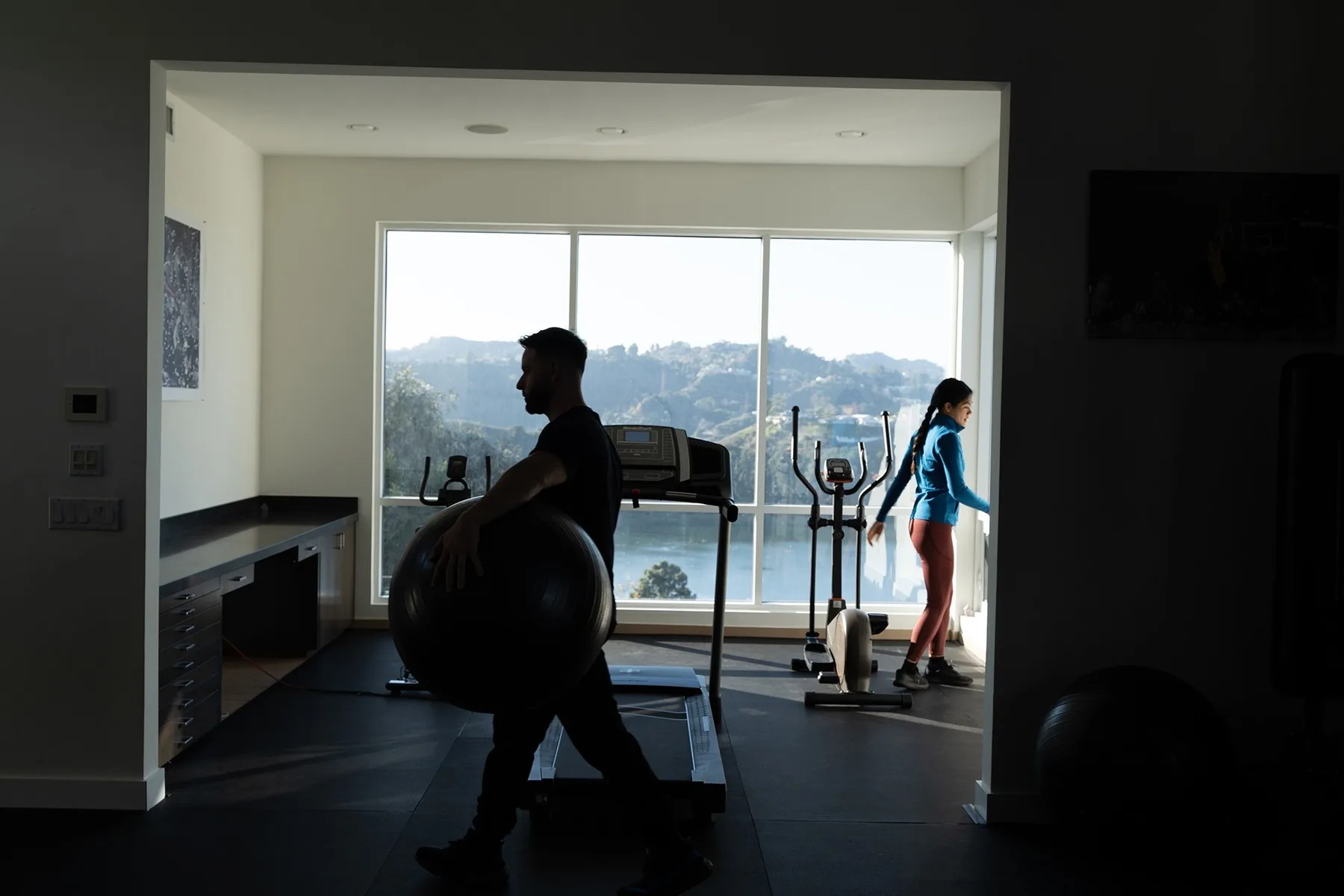
The Pool · Private estate · Hollywood HillsTerrace · Morning light · Canyon viewsPrivate Suite · En-suite bath · Natural lightChef Dining · Three meals daily · Private chefCommon Spaces · Designed for calm · Recovery in comfortThe Grounds · Hollywood Hills estate · 02 residences
Your Residential Questions Answered
Frequently Asked Questions
Residential treatment runs thirty to ninety days depending on clinical need, personal goals, and insurance coverage. Most clinicians recommend a minimum of thirty days; many residents and their families find that sixty or ninety days produces significantly more durable outcomes. Cash-pay arrangements can differ. We do not rush discharge.
Bliss Recovery offers managed cell phone and secure WiFi access. We recognize that clients have professional and personal responsibilities that do not pause for treatment. How phone access is structured during early treatment is discussed at intake.
Select residences welcome approved pets. Bringing your pet is subject to individual approval to ensure the wellbeing of all clients. Our admissions team can walk you through the process.
Discuss this with your clinical team at intake. We work with clients — including professionals and executives — to structure treatment in ways that address clinical needs without completely eliminating professional continuity where that is realistic. The specifics depend on the clinical picture.
Treatment plans are adjusted regularly based on progress, clinical observation, and your own experience of what is and is not working. Adjustments can include changes to therapeutic approach, medication, intensity of programming, or length of stay. The goal is always the most effective path forward — not adherence to a predetermined timeline.
Most clients transition to Partial Hospitalization (PHP) before moving to Intensive Outpatient (IOP) and then aftercare. Discharge planning begins early in your stay — you will never leave without a clear next step and a clinical team that stays with you through it. Learn about PHP →
Clinical depth is comparable; the experience changes. Luxury programs cap census, offer private rooms, on-site chef, and tighter staffing. You get more privacy, individualized attention, and a calmer environment without trading away evidence-based care.
Private bedroom, chef-prepared meals, pool and terrace, mindfulness and holistic services, and small-group settings. Amenities support comfort and rest; treatment remains clinically led by licensed staff.
Yes. A psychiatrist evaluates co-occurring conditions, and therapy (CBT, DBT, EMDR when indicated) is integrated with medication management where appropriate. Plans follow you through step-down care for continuity.
.svg)
.svg)
.svg)
.svg)