.svg)
.svg)
.svg)
.svg)

Depression
Depression is among the most frequently co-occurring conditions with SUDs. Integrated treatment addresses the neurochemical overlap that drives both the mood disorder and the substance use.
Depression treatment
At Bliss Recovery Luxury Rehab & Detox, dual diagnosis care addresses substance use and co-occurring mental health conditions together, with one clinical team and one coordinated plan. That approach continues through our full care continuum: medically supervised detox, our residential program in the Hollywood Hills, PHP, and IOP.

Co-occurring disorders, also called dual diagnosis, means a person has a substance use disorder (SUD) and one or more mental health conditions at the same time. Depression, anxiety, PTSD, bipolar disorder, OCD, borderline personality disorder, schizophrenia, and ADHD are among the conditions that commonly occur alongside substance use.
The relationship often runs both ways. According to the National Institute on Drug Abuse, about half of people who experience a mental illness during their lives will also experience a substance use disorder. Some people use alcohol or drugs to manage symptoms, while ongoing substance use can make psychiatric symptoms worse.
Treating both conditions together, rather than one after the other, is the foundation of our dual diagnosis care.
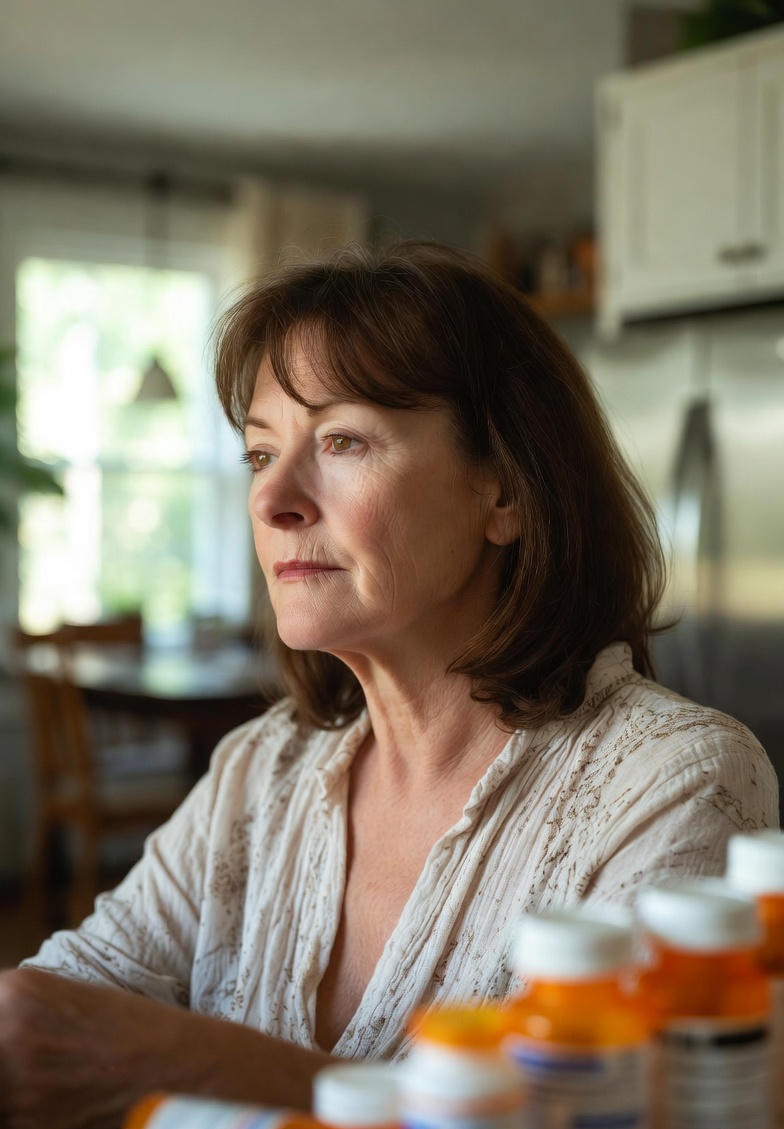
Many people enter treatment for substance use without realizing they also have a co-occurring mental health condition. These signs don't confirm a diagnosis, but they can be a good reason to ask for a dual diagnosis assessment.
Depression and alcohol use disorder are among the most prevalent co-occurring combinations. Alcohol is frequently used to blunt depressive symptoms, creating a cycle where each condition worsens the other. Integrated treatment addresses both the neurochemical underpinnings of depression and the physical and psychological dimensions of alcohol dependence simultaneously.
Depression treatmentAnxiety and benzodiazepine misuse often overlap. Medications prescribed for anxiety can lead to physical dependence over time, and withdrawal can make anxiety worse. Medically supervised detox addresses the physical side of withdrawal while our clinical team treats the underlying anxiety.
Benzodiazepine treatmentTrauma survivors frequently turn to alcohol or stimulants to suppress hypervigilance, intrusive memories, and emotional dysregulation. At Bliss Recovery, EMDR and Brainspotting are integrated directly into the treatment plan — addressing the root traumatic experience while managing the physical reality of substance dependence.
PTSD treatmentBipolar disorder frequently co-occurs with substance use. Cannabis and alcohol are commonly used to self-regulate mood episodes. Treatment requires mood stabilization alongside addiction care — with psychiatric oversight throughout the full residential stay.
Bipolar treatmentDepression is among the most frequently co-occurring conditions with SUDs. Integrated treatment addresses the neurochemical overlap that drives both the mood disorder and the substance use.
Depression treatment
Trauma and addiction are deeply interlinked. Our trauma-informed care includes EMDR and Brainspotting alongside medically supervised detox to address both dimensions simultaneously.
PTSD treatment
Anxiety is a common reason people self-medicate with alcohol or benzodiazepines. Treating anxiety without addressing substance dependence leaves both conditions unresolved.
Anxiety treatment
OCD and substance use can reinforce each other. We address both with CBT-based therapy and ongoing psychiatric oversight.
OCD treatment
Bipolar disorder frequently co-occurs with substance use. Mood stabilization is integrated into every phase of the treatment plan.
Bipolar disorder treatment
Our team uses DBT, a well-established therapy for BPD, to help with the emotional dysregulation that can drive substance use. It anchors both the personality and addiction components of care.
BPD treatment
Schizophrenia and substance use require specialized dual diagnosis care with close psychiatric oversight, consistent medication management, and structured residential support.
Schizophrenia treatment
ADHD and stimulant misuse often overlap. Evidence-based treatment addresses impulsivity, executive function challenges, and the self-medication cycle behind substance use.
ADHD treatmentMental health and substance use treatment stay in the same plan at every level of care we offer, from medically supervised detox through residential treatment, partial hospitalization (PHP), and intensive outpatient (IOP).

CBT, DBT, EMDR, and Brainspotting are delivered in individual and group formats with direct focus on both the psychiatric condition and the substance use disorder. Therapy sessions address the underlying drivers of addiction and the symptoms of the co-occurring condition — not one at the expense of the other.

A psychiatrist reviews and manages all medications throughout residential treatment — adjusting protocols based on clinical response, withdrawal needs, and co-occurring psychiatric stability. No medication decision is made in isolation from the full treatment picture.
Mindfulness, yoga, nutrition, and activity-based therapies support nervous system regulation and build the daily structure that sustains both mental health and sobriety. Outdoor therapeutic activities at our Hollywood Hills location are incorporated throughout the residential stay. These practices complement clinical treatment rather than replace it.

Recovery extends beyond residential treatment. Our aftercare and alumni program and peer connection help dual diagnosis clients through the transition out of residential care.

You don't have to manage a mental health condition and a substance use disorder alone. Our admissions team is available day or night to talk through your situation confidentially and explain your options. When you're ready, you can start the admissions process or verify your insurance.
If your question isn't answered here, call (323) 798-4411 to speak with our admissions team day or night.
A co-occurring disorder, also called dual diagnosis, is the simultaneous presence of a substance use disorder (SUD) and one or more mental health conditions such as depression, anxiety, PTSD, or bipolar disorder. Both conditions must be diagnosed and treated at the same time by the same clinical team.
According to the National Institute on Drug Abuse, about half of people who experience a mental illness during their lives will also experience a substance use disorder.
Because they are clinically inseparable in most cases. Mental health conditions often drive self-medication with alcohol or drugs; chronic substance use, in turn, worsens psychiatric symptoms. Treating addiction alone without addressing the underlying mental health condition leaves the primary driver of substance use in place. NIDA's clinical guidelines and ASAM's evidence-based practice standards both endorse integrated dual diagnosis treatment, both conditions addressed simultaneously, by the same team, as the standard of care.
Bliss Recovery treats depression, PTSD, anxiety disorders, OCD, bipolar disorder, borderline personality disorder, schizophrenia, and ADHD as co-occurring conditions within our residential dual diagnosis program. Every treatment plan is individualized. Some clients arrive with a confirmed psychiatric diagnosis, others are assessed during intake and receive a clinical picture of their mental health needs for the first time.
We work with most major PPO plans and are in-network with First Health, HealthSmart, MultiPlan, PMCS, and TriWest. Out-of-network and private pay are also welcome. We are not in-network with HMOs or Medi-Cal. You can verify your insurance at no cost before making any commitment.
Treatment combines medically supervised detox, residential care, partial hospitalization (PHP), and intensive outpatient (IOP). Integrated dual diagnosis care addresses the substance use disorder and co-occurring mental health conditions together through one coordinated treatment plan.
Co-occurring disorders reinforce each other. We treat both simultaneously — with psychiatric support, therapy, and medication management.