.svg)
.svg)
.svg)
.svg)

Key takeaways
- 1
You cannot force someone into recovery, but you can change the conditions around them.
- 2
Calm, consistent communication outperforms emotional confrontations or threats you can't follow through on.
- 3
Boundaries are not punishment — they are clarity and safety for everyone involved.
- 4
If mental health symptoms are driving the refusal, dual diagnosis treatment changes the approach.
- 5
If safety is at risk, act immediately — this is a crisis response, not a negotiation.
Is Your Loved One Safe Right Now?
Before focusing on getting them to say yes, ask one question: are they safe right now? If there is any risk of overdose, dangerous withdrawal, self-harm, violence, or psychosis, skip the persuasion. Get support immediately. Treat the situation as urgent if you observe any of the following: overdose risk, blackouts, or mixing substances; severe withdrawal symptoms or fear of stopping; suicidal statements or self-harm; paranoia, hallucinations, or behavior that feels unsafe; threats or situations where home no longer feels secure. If you believe someone is in immediate danger, contact emergency services. In the U.S., the 988 Suicide and Crisis Lifeline is available by call or text around the clock.
Why Does Someone Refuse Rehab?
People refuse rehab for reasons that go beyond simple denial. Understanding what is underneath the refusal helps you respond more effectively instead of pushing harder in directions that create resistance. Common reasons include: fear of withdrawal or losing control; shame and stigma around needing treatment; worry about work, finances, children, or privacy; past negative experiences with healthcare or treatment; mental health symptoms that make change feel impossible; genuine belief they can manage it alone or cut back later. When depression, bipolar disorder, anxiety, or trauma are also present, refusal can itself be a symptom — hopelessness, distrust of help, or a desperate attempt to stay in control. This is where dual diagnosis support becomes essential. See our overview of co-occurring disorders for more on how addiction and mental health intersect.
What Works Better Than Arguing?
When you are scared, it is natural to push harder. The problem is that pressure tends to produce resistance. You can stay firm without turning every conversation into a confrontation.
*How do I talk to someone about rehab without making it worse?*
Use short, calm statements built around three elements: what you observe, the impact it has, and a specific request. For example: 'I've noticed you're drinking more and missing work. I'm worried because it doesn't feel safe. I want you to speak with someone this week.' Keep your tone steady. Say less than you want to. Let silence do some of the work.
*Should I give an ultimatum or offer choices?*
Offer two or three concrete choices rather than a single demand. A choice-based approach reduces the need for someone to win or lose. Examples: 'Would you rather talk to an admissions coordinator today or schedule a call for tomorrow morning?' or 'Would you be open to starting with outpatient, or do you want to hear about residential options?' If they refuse all options, end the conversation calmly and return to your boundary.
How Do I Set Limits Without Cutting Off Love?
Boundaries are frequently misunderstood as a way to punish or control. They are not. They are a way to stop the slow breakdown of your life and your relationship while addiction runs the show.
*What do healthy limits actually sound like?*
'I am not giving cash anymore.' 'I will not cover for you with your employer or family.' 'I am not riding in the car with you if you have been using.' 'If substances are in the house, I will leave for the night.' 'I am willing to support treatment — not active use.'
*What is the difference between helping and enabling?*
Helping supports health, safety, and steps toward treatment. Enabling reduces consequences and makes it easier to continue using. When uncertain, ask yourself: does this action make recovery more likely, or does it make today's use easier? That question usually clarifies the line quickly.

What Does Rehab Actually Look Like When They Say Yes?
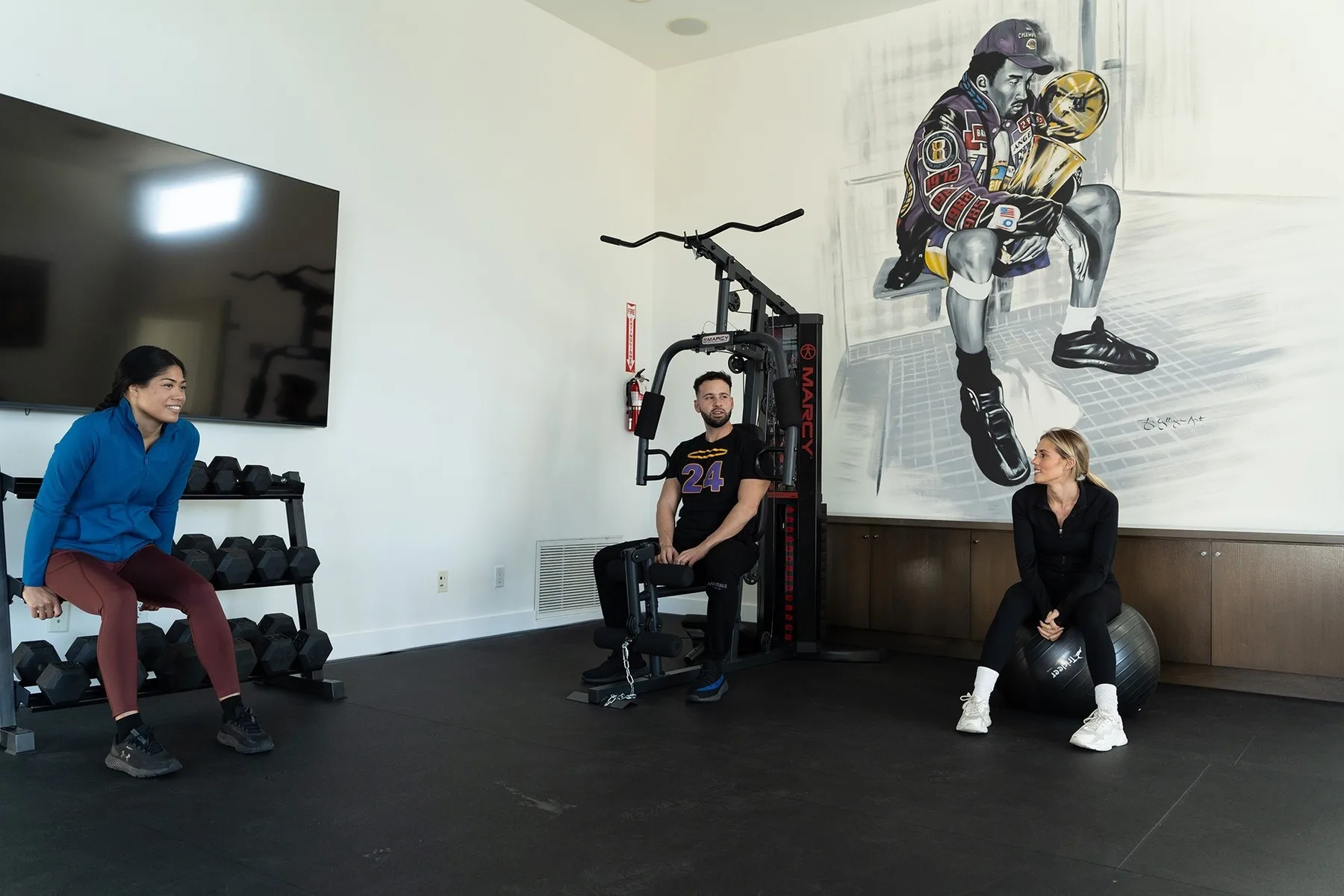
Many people refuse treatment because they imagine it as punishing, institutional, or humiliating. Quality care is built around the opposite. It starts with an assessment — substance use history, mental health, safety risks, and goals — and moves into a treatment plan designed specifically for that person. Treatment at a program like Bliss Recovery's residential program focuses on reducing cravings and stabilizing mood; building coping skills that hold under real stress; addressing co-occurring mental health conditions alongside addiction; and planning realistic aftercare before discharge. If you would like to understand what the admissions process looks like before making any decisions, our admissions page walks through every step without pressure.
Questions, answered
Can I force someone into rehab against their will?
In most cases, no. Adults have the legal right to refuse treatment. Some states have involuntary commitment laws for situations involving immediate danger, but these are limited in scope. The most effective path is usually creating the conditions where treatment becomes the person's own decision — through consistent boundaries, reduced enabling, and open-door communication.
What if they agree to rehab but keep backing out?
Ambivalence is normal and does not mean they are not serious. When someone keeps agreeing and then withdrawing, try to remove barriers rather than pressure: offer to make the call with them, assist with logistics, or suggest starting with a low-barrier step like a phone consultation. Each small movement forward matters even when progress is not linear.
How do I take care of myself while supporting someone who refuses help?
Your wellbeing is not secondary. Find support for yourself through a therapist, Al-Anon, or a family support group. Maintain your own routines. Recognize that you cannot be responsible for another person's recovery — and that attempting to be will exhaust you without helping them. Setting boundaries protects both of you.
What role do co-occurring mental health conditions play in refusal?
Significantly. When depression, PTSD, bipolar disorder, anxiety, or other conditions are driving the addiction, someone may refuse treatment because the mental health piece makes help feel impossible or untrustworthy. If this is what you are observing, look specifically for programs that offer integrated dual diagnosis treatment — treating both conditions simultaneously rather than sequentially. If you are ready to talk through next steps, our admissions team is available for confidential conversations with no obligation. You can also verify insurance coverage before making any decisions.
Does Bliss Recovery offer treatment for this?
Bliss Recovery provides personalized, evidence-based care in a private Hollywood Hills setting, with a full continuum from medical detox through residential treatment and PHP/IOP. Our admissions team can help you find the right level of care.
How do I get started or verify my coverage?
You can verify your insurance confidentially with no obligation, or reach our admissions team directly. We will walk you through the next steps and help you understand your options.