.svg)
.svg)
.svg)
.svg)

Key takeaways
- 1
High-end treatment centers offer the same evidence-based clinical foundation as standard programs, with significantly more individualization and privacy layered on top.
- 2
The primary value propositions are: deeper personalization, higher staff-to-client ratios, comprehensive dual diagnosis care, discreet environments, and more robust aftercare.
- 3
For professionals, executives, and high-profile individuals, privacy is not a luxury add-on — it is a clinical necessity that determines whether someone can fully engage in treatment.
- 4
Insurance often covers more than people expect. Most PPO plans contribute meaningfully to residential treatment costs.
- 5
The right question is not 'can I afford luxury rehab?' but 'what level of care gives this person the best realistic chance?'
What Does a High-End Addiction Treatment Center Actually Offer?
High-end treatment programs share the same clinical foundation as any quality addiction treatment: evidence-based therapies, medical oversight, individualized planning, and structured programming. What differs is the depth, ratio, environment, and breadth of services built around that foundation.
*What specific features define high-end treatment?*
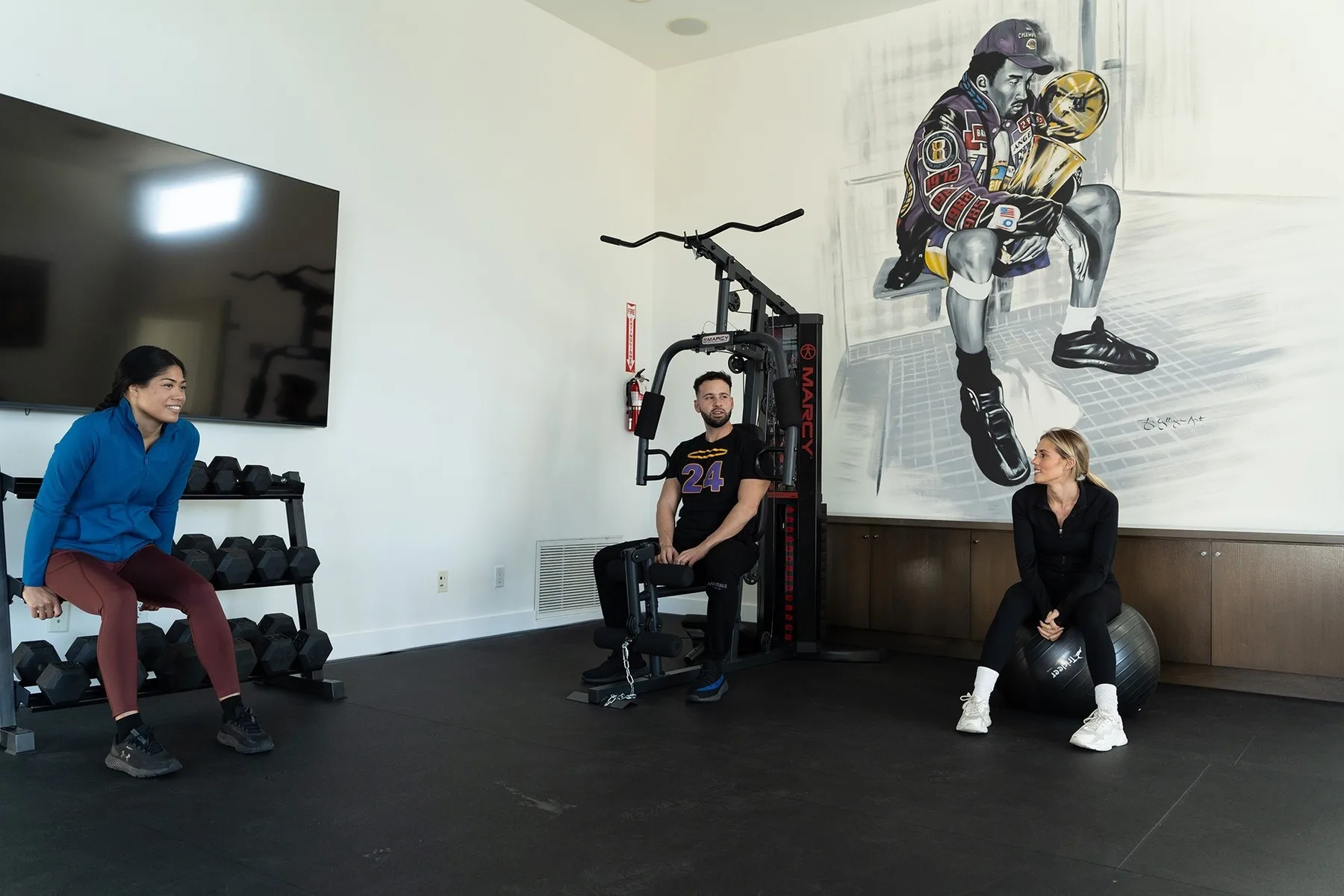
Privacy and exclusivity: small client populations ensure confidentiality and genuinely individualized attention. Personalized treatment planning: programs built around the specific person rather than a standardized curriculum. Higher staff-to-client ratios: more one-on-one clinical contact, faster response to emerging needs, more flexible programming. Luxury residential environment: private suites, gourmet nutrition, outdoor spaces, and a non-clinical atmosphere. Comprehensive dual diagnosis care: experienced treatment of co-occurring mental health conditions alongside addiction. Robust aftercare: structured continuation of support after residential treatment ends.
What Are the Five Strongest Arguments for High-End Treatment?
*1. Does a comfortable environment actually affect clinical outcomes?*
Yes — meaningfully. Recovery requires opening up, staying present, and engaging in difficult emotional work. All of this is harder when the physical environment is stressful, crowded, or institutionalized. A calm, private, beautiful setting reduces the ambient stress that competes with therapeutic engagement. It is not about comfort for comfort's sake. It is about removing barriers to the clinical work.
*2. How does individualization differ from standard care?*
Standard programs often run groups of 20 to 40 clients through similar schedules and programming. High-end programs with smaller populations build treatment around each person: their substances, their mental health history, their life circumstances, their goals. This is not a small difference. One-size treatment for complex presentations routinely underperforms.
*3. Why does privacy matter clinically, not just personally?*
For professionals, executives, and anyone in a public-facing role, the fear of exposure is a genuine barrier to entering treatment. If someone cannot fully engage because they are worried about being recognized, seen, or reported, that anxiety directly undermines the work. Discreet residential settings eliminate that barrier. This is not vanity — it is a clinical precondition for honest participation in treatment.
*4. What does a higher staff-to-client ratio actually change?*
More individualized clinical attention, faster identification of emerging issues, more flexible scheduling to accommodate what a specific client needs at a specific time, and reduced wait time for clinical contact. In standard programs, group therapy often dominates because staffing ratios make individual sessions rare. In high-end programs, individual work can happen daily.
*5. How important is aftercare in high-end programs?*
Extremely. Recovery does not end at discharge. Programs that invest in robust aftercare — structured PHP/IOP follow-up, continued individual therapy, case management, alumni support — produce significantly better long-term outcomes than those that treat discharge as the finish line. High-end programs typically invest here more heavily than standard care.
How Do You Evaluate Whether a High-End Program Is Legitimate?
Assess for: state licensure and accreditation (Joint Commission, CARF, LegitScript certification); clinical staff credentials — licensed therapists, board-certified physicians or psychiatrists, certified addiction counselors; a clear dual diagnosis treatment philosophy; transparent aftercare planning; and verifiable client reviews or alumni accounts. Luxury amenities are a feature, not a credential. The clinical architecture of the program is what determines outcomes.
Questions, answered
Does insurance cover high-end rehab?
More than most people expect. Most PPO plans — including Aetna, United Healthcare, BlueCross BlueShield, Optum, and others — cover residential addiction treatment at meaningful levels when medical necessity criteria are met. The out-of-pocket cost after insurance is highly variable and depends on your specific plan, deductible, and out-of-pocket maximum. Verifying your insurance before making decisions is always the right first step. Our team handles this quickly and confidentially.
Is luxury rehab just for celebrities?
No. Bliss Recovery serves professionals, executives, business owners, parents, and individuals across a range of backgrounds who share a common set of priorities: privacy, individualized care, and a non-institutional environment. The demographic is defined by those needs, not by fame.
What if I cannot afford the full cost of a high-end program?
Insurance verification is the essential first step before drawing any conclusions about cost. Many clients are surprised by what their PPO covers. Our admissions team can review your benefits clearly and honestly so you have accurate information before making any decisions. To understand what Bliss Recovery specifically offers and how your insurance applies, verify your coverage now or contact our admissions team for a confidential conversation.
Does Bliss Recovery offer treatment for this?
Bliss Recovery provides personalized, evidence-based care in a private Hollywood Hills setting, with a full continuum from medical detox through residential treatment and PHP/IOP. Our admissions team can help you find the right level of care.
How do I get started or verify my coverage?
You can verify your insurance confidentially with no obligation, or reach our admissions team directly. We will walk you through the next steps and help you understand your options.