.svg)
.svg)
.svg)
.svg)

Key takeaways
- 1
Paperwork and pharmacy-labeled medications are the only two categories that can genuinely delay an intake, so pack those first and pack them carefully.
- 2
One week of comfortable, layered clothing is enough for any length of stay, because laundry is available and linens, towels, and robes are provided.
- 3
Alcohol, controlled substances that were not approved in advance, and excessive valuables should all stay home.
- 4
A quick call to admissions before you pack settles almost every gray-area item faster than guessing does.
Here at Bliss Recovery LA, the short answer is that you need three things: government photo ID and your insurance card, every prescription in its original pharmacy-labeled bottle, and about a week of comfortable clothing. Our what to bring checklist is the definitive version.
Most people overpack.
Linens, towels, and robes are provided. Basic shampoo, conditioner, and soap are provided too, and laundry is available throughout your stay, which is why a week of clothing covers a thirty-day admission just as well as it covers a five-day one. What actually slows an intake down is missing paperwork or a loose pill bottle, not a missing sweater.
Start With a Call to Admissions
Every program has its own list. Before you pack anything, call our team and give them your arrival date and level of care so they can tell you exactly what applies to you.
Ask about three things specifically:
- Ask whether any over-the-counter medication or supplement you rely on needs advance approval.
- Ask how phone and device access works at your phase of care.
- Ask about anything you own that you are not sure about, from a specific grooming tool to a piece of exercise equipment.
Nothing on that call commits you to anything.
Documents and Paperwork
Keep everything in one folder or pouch and carry it with you rather than packing it in checked luggage. This is the single easiest category to get right and the most frustrating one to get wrong, because a forgotten insurance card turns a calm arrival into a phone call to whoever is home.
- Government-issued photo ID, either a driver's license or a passport, is required at intake.
- Your insurance card, front and back, should come with you even if we have already verified your benefits.
- Any secondary insurance card belongs in the same folder.
- A printed list of every current medication with dose, timing, and prescriber name speeds up the medical review considerably.
- A credit or debit card covers personal expenses, and a small amount of cash is optional.
Coverage questions are worth settling before you travel rather than on arrival day. Our guide to insurance in plain language walks through the terms without the jargon, and verification itself usually takes only a few minutes on the phone.
Medications: The One Category to Get Exactly Right
Every prescription needs to arrive in its original, pharmacy-labeled bottle. Unlabeled medications cannot be accepted. Our medical team reviews everything on arrival and manages your protocol from that point forward.
Do not bring any medication you have not discussed with your intake coordinator in advance. That includes over-the-counter items you take regularly, such as a sleep aid, an antacid, or a daily supplement. A quick call clears them.
| What You Are Bringing | How to Pack It | What Happens at Intake |
|---|---|---|
| Daily prescriptions | Original pharmacy-labeled bottle for each one | Reviewed and confirmed against your medication list |
| Controlled prescriptions | Original bottle plus your prescriber's direct contact number | Reviewed with your prescriber before any decision on continuation |
| Over-the-counter items | Original packaging, cleared by phone in advance | Reviewed by our medical team on arrival |
| Eyewear and hearing aids | A backup pair or spare batteries where possible | No review needed |
The printed list matters more than people expect. Bottles get refilled, labels wear off, and a dose your prescriber changed last month may not match what the pharmacy printed in the spring. Writing out drug name, strength, timing, and prescriber saves you from reconstructing all of it from memory.
For general background on how medications are used in addiction treatment, SAMHSA's overview of medications for substance use disorders is a reliable, non-commercial starting point.
Coming in for medically supervised detox? Say so during your admissions call. Sharing your last dose timing and recent prescribing notes lets the medical team plan properly before you walk in the door.
Clothing and Footwear
Los Angeles is warm during the day and noticeably cooler in the Hollywood Hills at night, so layers matter more than volume. Pack about a week's worth and plan on doing laundry.
A practical set looks like this:
- Five tops in a mix of short and long sleeve will carry you through the week.
- Three bottoms are enough, whether that is jeans, casual pants, or leggings.
- Two pairs of shoes cover most days, ideally one supportive walking shoe and one easy slip-on.
- Two sets of sleepwear are plenty between laundry cycles.
- A light jacket or hoodie handles the cooler evenings.
- Slippers or sandals are worth packing for indoors.
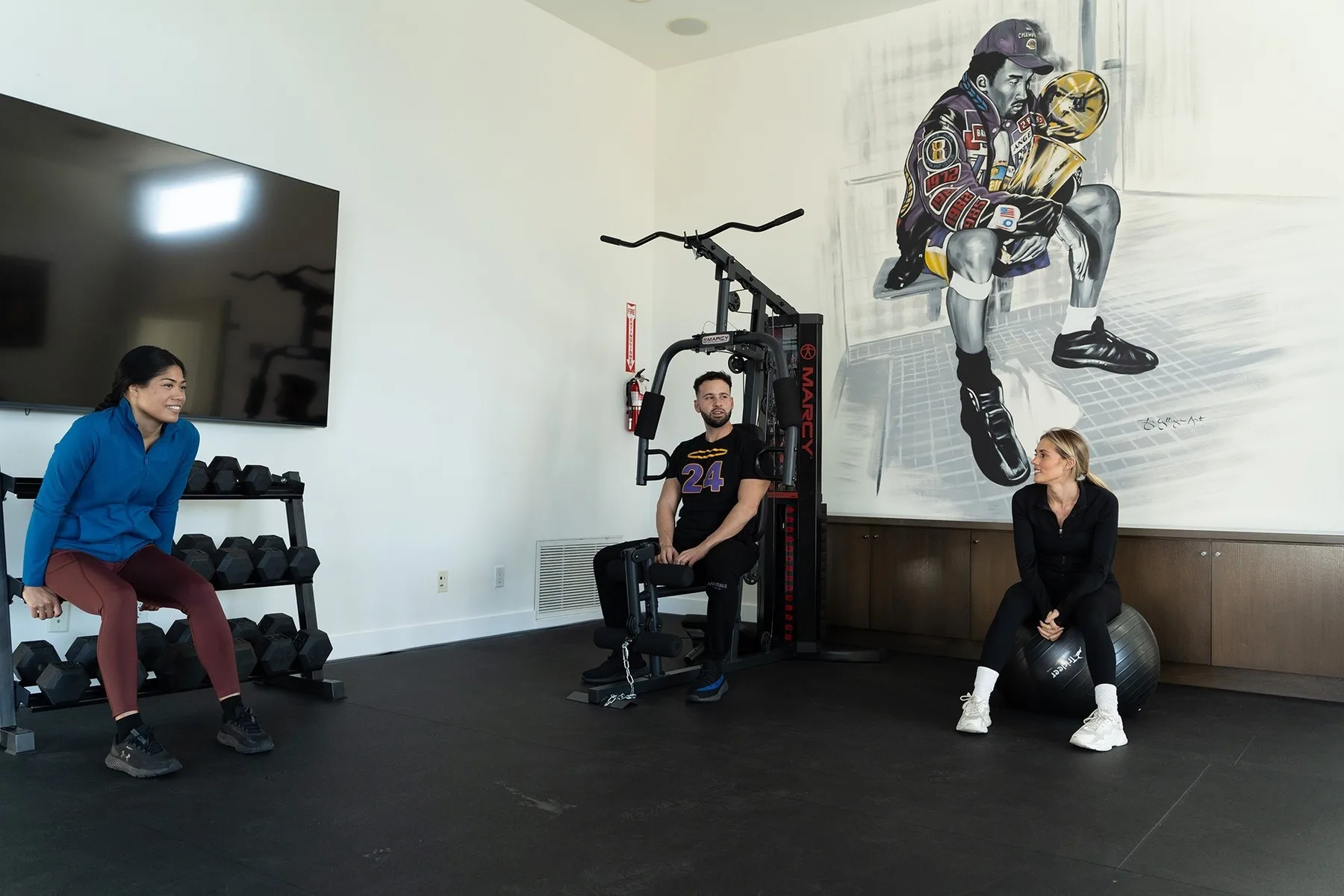
Bring exercise clothes if you plan to use the fitness area or join outdoor movement sessions, plus one smart-casual outfit for any outing arranged during treatment.
Keep it low-key. Understated, unbranded pieces draw less attention than logo-heavy clothing does in a small community setting, and that quiet matters more than most people anticipate when they are living alongside a handful of other residents for a month.
Toiletries and Comfort Items
Basic shampoo, conditioner, and soap are provided. Bring your preferred brands if you have them, along with the rest of your usual routine:
- A toothbrush and toothpaste should be in every bag.
- Deodorant is worth packing rather than picking up later.
- A razor and shaving supplies come with you if you use them.
- Skincare products such as moisturizer and sunscreen matter more here than you might expect.
- Hair care items include a brush, ties, and anything you style with.
- Feminine hygiene products belong on the list if applicable.
- Glasses or contact lenses with supplies should travel with you, plus a backup pair if you have one.
A few personal items help. A book, a journal, a photo or keepsake, and non-Bluetooth headphones for music or quiet time are all welcome, and they do more for the first week than anything else in your bag.
Leave the aerosols, candles, and incense at home.
Phones, Electronics, and Privacy
Bring your phone and charger. Device use is discussed at intake and managed through your stay to protect both your focus and the privacy of everyone else in the residence, with scheduled access as you settle in.
Before you travel, sign out of anything you do not need, turn off password autofill, and remove saved payment details. Put physical mail on hold and let one trusted person know how to reach you. Recording other clients, staff, or sessions is never permitted.
Privacy shapes how the residences are set up, from the absence of clinical signage to a small client cap in each house. Our overview of what your first day looks like covers how that plays out in practice.
What Not to Pack
- Alcohol and any controlled substance that was not approved in advance are prohibited without exception.
- Non-prescription medications that have not been cleared by phone will be held rather than accepted.
- Bedding and towels are unnecessary, since linens, towels, and robes are provided.
- Excessive valuables and large amounts of cash should stay home or with someone you trust.
- Anything that could compromise community safety, including weapons and sharp objects, is not permitted.
The valuables line trips people up most often, usually because a watch or a piece of jewelry carries meaning and leaving it behind feels like one more loss on a hard day. Leave it with someone you trust anyway. You will think about it far less than you expect to.
If an item is a gray area, call before you pack rather than after you arrive.
Travel and Arrival Day
Carry your documents and medications with you. Checked bags get delayed, and those are the two categories that determine how smoothly intake goes.
Tell admissions your flight or driver details and your estimated arrival window so the team can plan around it. If your travel plans change, call. Our travel and arrival guidance covers transport options and recommended arrival times.
Arrival itself is straightforward:
- Greeting: Your intake coordinator welcomes you and helps with your bags.
- Belongings review: Your team confirms that what you brought lines up with the guidelines.
- Medical intake assessment: The nursing team reviews your health history, current medications, and any immediate needs.
- Tour and settle in: You see the residence, meet some of the team, and get time to get comfortable before anything is scheduled.
None of it is rushed.
What Happens in the First Few Days
The opening stretch of a residential stay is about medical stabilization and getting your treatment plan right, which is why some access is limited early on. Knowing that in advance makes the packing decisions easier, because it explains why a phone charger matters less in week one than a book does.
Two things are worth understanding before you arrive:
- Phone and visitor access is limited while the clinical team completes its assessment.
- Medications you brought are reviewed and may be held and administered on a schedule rather than kept in your room.
Neither is permanent. Both loosen as the clinical team gets a clear picture of what you need. Our page on your first 72 hours lays out the sequence in detail, and it is worth reading with whoever is helping you pack.
Questions, answered
What clothing should I bring to rehab?
Comfortable, casual clothing for about a week, plus pajamas, comfortable shoes, a light jacket or hoodie for cooler Hollywood Hills evenings, and exercise clothes if you plan to join outdoor movement sessions. Linens, towels, and robes are provided.
Do I need to bring my own toiletries?
Bring a toothbrush, toothpaste, deodorant, and any skincare or hair products you prefer. Shampoo, conditioner, and soap are provided, though you are welcome to bring your own brands.
How should I pack my medications for rehab?
Every prescription needs to be in its original, pharmacy-labeled bottle, with a printed list of medications, doses, and prescribing physicians. Do not bring anything that has not been discussed with your intake coordinator in advance.
Can I bring my phone to rehab?
Yes. Bring your phone and charger. Device use is managed during your stay to protect focus and community privacy, with scheduled access as you settle in.
What documents do I need for rehab admission?
A government-issued photo ID, your insurance card front and back, any secondary insurance cards, and a credit or debit card for personal expenses.
Can I bring valuables to rehab?
Leave excessive valuables and large amounts of cash at home. A small amount of cash is fine, and a card covers anything you need during your stay.
What should I not bring to rehab?
Alcohol, any controlled substance not approved in advance, unapproved over-the-counter medications, bedding and towels, excessive valuables, and anything that could compromise community safety.
How much should I pack for a 30-day stay?
About a week of clothing is enough for any length of stay, because laundry is available. Packing separately for 30 days is the most common mistake we see.
Can I bring my pet?
Pets are welcome on a case-by-case basis. Ask admissions well before your arrival date so the team can confirm the arrangement.
What if I am not sure about a specific item?
Call us at (323) 798-4411 before you pack. There is no such thing as a question that is too small, and it is far easier to resolve in advance than at the door.
This content is for informational purposes only and is not a substitute for professional medical advice, diagnosis, or treatment. Always consult a qualified healthcare provider about your specific situation. If you are in crisis, call or text 988 (Suicide & Crisis Lifeline).