.svg)
.svg)
.svg)
.svg)

Key takeaways
- 1
Discuss safety, prescriptions, arrival arrangements, and insurance before traveling.
- 2
Medical and psychiatric assessment guide the schedule; withdrawal concerns should not wait for orientation.
- 3
Detox starts when clinically indicated, not because every admission follows the same sequence.
- 4
An initial therapy contact may be a brief introduction; more demanding work depends on clinical readiness.
- 5
Confirm packing rules, medication handling, electronics, and any pet approval in advance.
What Happens on Admission Day, Step by Step?
This guide to residential admission is not a fixed schedule. Urgent withdrawal, psychiatric, or other medical needs take priority.
- Intake call: Discuss substances used, recent use, withdrawal history, prescriptions, safety concerns, and travel. Accurate information helps the team assess whether the setting is appropriate.
- Insurance verification: Review benefits, authorization requirements, and estimated costs before arrival where possible. Verification does not guarantee payment or admission.
- Arrival: Meet staff, review consent and privacy information, discuss belongings and medication handling, and learn how to ask for help.
- Medical and psychiatric assessment: Review physical health, withdrawal risk, prescriptions, mental health symptoms, and immediate safety. A psychiatric appointment may occur separately according to clinical need and availability.
- Detox if needed: Medical detox and monitoring take priority when indicated. Some people need a hospital or another level of care.
- First therapy contact: When clinically appropriate, meet a therapist, discuss immediate goals, or attend an introductory session. You do not need to share your entire history at once.
Read what sets luxury programs apart and our rehab packing checklist to prepare.
What Should You Bring, and What Should You Leave at Home?
Confirm the current list with admissions. Useful items generally include identification, your insurance card, emergency-contact details, comfortable clothing, approved toiletries, and a current medication list. Bring prescriptions in original labeled containers as instructed; staff review storage and administration.
Do not bring alcohol, non-prescribed drugs, weapons, or prohibited items. Ask before bringing supplements, valuables, recording equipment, or products containing alcohol. Confirm phone access and pet arrangements rather than assuming they are allowed.
The luxury rehab packing checklist and what-to-bring guide provide preparation questions.
What Happens When You First Arrive at a Luxury Rehab?
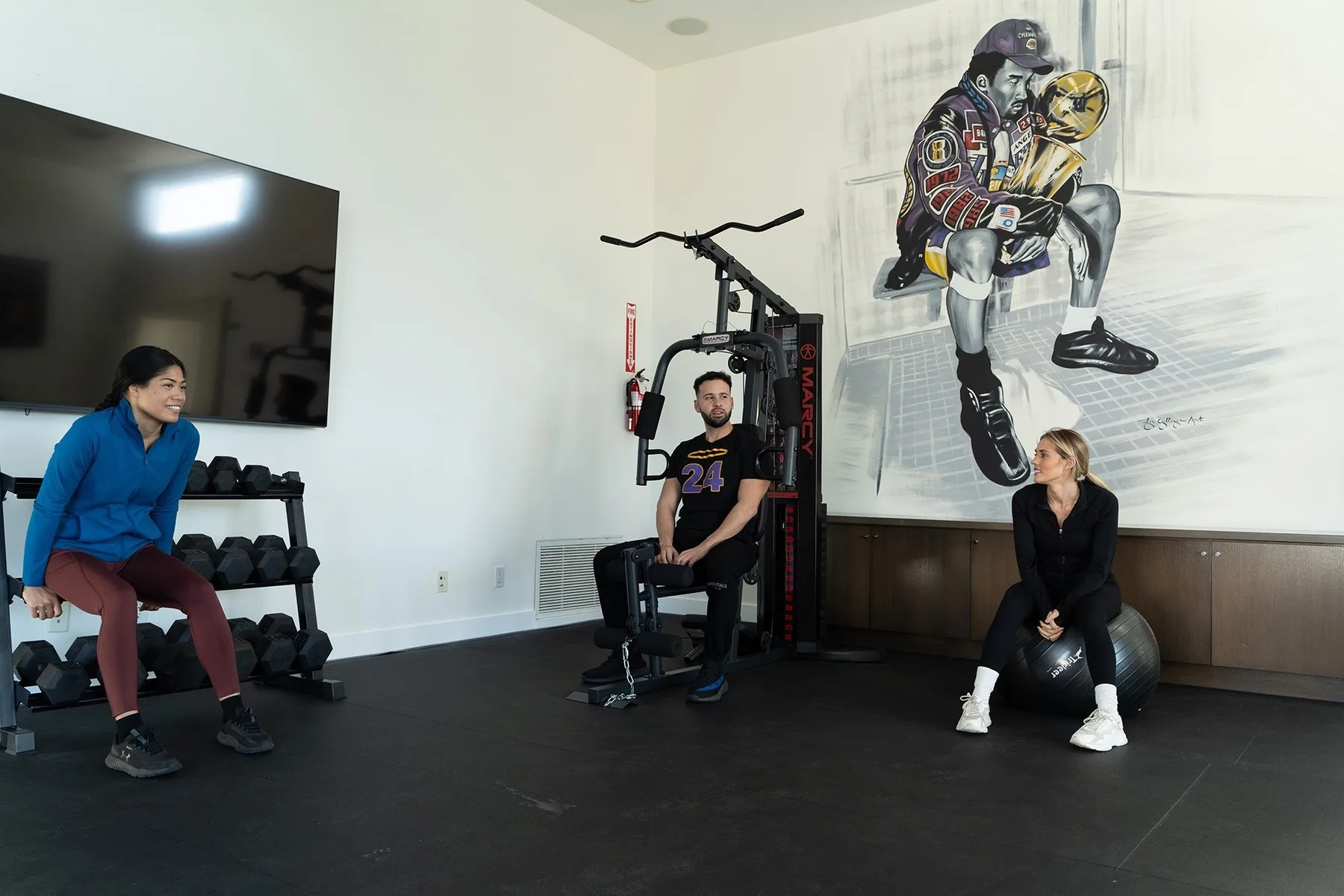
Arrival at a program like Bliss Recovery is intentionally different from any medical facility you may have experienced. There are no waiting rooms, check-in queues, or crowded corridors. You arrive at a private Hollywood Hills residence. A staff member greets you personally, walks you through the immediate steps, and gives you time to take a breath and look around before anything else begins. Privacy is a priority from the first moment. Arrivals are handled discreetly. The tone is welcoming and unhurried. Many people describe this initial moment — stepping out of the vehicle, into a calm, beautiful space — as the first time they have been able to slow down in a long time.
What Is Your Room Like on the First Day?
One of the first things that happens is settling into your private suite. This space becomes your own for the duration of treatment — a personal retreat designed around rest and focused recovery. Expect comfortable, high-quality bedding, natural light, peaceful views of the Hollywood Hills or surrounding landscape, and quality toiletries already in place. You get time to unpack, take a shower, and simply breathe. That space to decompress is not filler time — it is part of the clinical design. When your body feels physically safe and rested, it is measurably easier to engage in the therapeutic work that follows.
What Does the Intake Process Involve?
Medical intake happens on day one. The goal is not to label or categorize you — it is to understand what your body and mind have been through so the clinical team can build a plan that actually fits.
*What does the medical intake assessment cover?*
The intake conversation covers substance use history: what you have been using, how often, and what your body has experienced as a result. It also reviews past withdrawal symptoms, current medications, sleep patterns, appetite, and any ongoing physical health concerns. Mental health history is part of this picture too. If trauma, depression, anxiety, or other conditions are present, the intake team wants to know early — not because it complicates things, but because it makes the treatment plan more accurate.
*Will detox start on the first day?*
If medical detox is part of your plan, the medical team assesses withdrawal risk and determines appropriate monitoring and treatment. Urgent symptoms need prompt assessment rather than waiting for a scheduled appointment. Medication decisions are individualized; not everyone needs a taper or the same withdrawal protocol.

When Do You Meet Your Care Team?
Introductions on day one are intentionally limited. You will meet a few key people — typically your primary therapist, a medical staff member, and support staff who are available throughout the day. These are not formal presentations. They are brief, human introductions designed to help you put faces to names and know who to reach when you need something. You are not asked to share your full story. You are not expected to disclose deeply or emotionally engage on arrival. Staff understand that people arrive in every state: anxious, guarded, exhausted, relieved, emotionally numb, or somewhere in between. All of those are treated as completely normal.
What About Other Residents and Meals?
Luxury residential programs keep their client populations intentionally small. You may encounter other residents in shared spaces — the kitchen, common areas, outdoor spaces. There is no pressure to engage. Some people find brief, organic interactions with peers grounding. Others prefer quiet in early days. Both are respected. Meals happen at consistent times in a relaxed setting. No rush, no cafeteria experience. An on-site chef prepares fresh, quality food that can accommodate any dietary needs or preferences. Nutritional consistency is a genuine part of early recovery — it helps regulate mood, energy, and sleep during a time when the body is recalibrating.
How Does Your First Evening End?
Your first evening is quiet and undemanding. You will know who to contact if you need support overnight, what tomorrow looks like in general terms, and that someone is available around the clock. There is no pressure to process, reflect, or prepare. The clinical work begins when you are ready — day one is about arrival, not achievement.
Questions, answered
Will I have a full therapy session on the first day?
It depends on your condition and the schedule. You may meet a therapist for an introduction or assessment. Withdrawal management, rest, and safety can take priority over a longer session.
Should I change prescriptions before arriving?
Do not change or stop prescriptions on your own to prepare for rehab. Give admissions an accurate list and discuss instructions with the prescribing clinician and treatment team. Bring medications as directed in original labeled containers.
Can I bring my phone on the first day?
Bliss Recovery offers managed cell phone and secure WiFi access — a deliberate departure from facilities that enforce full disconnection. This policy recognizes that many clients have professional and personal responsibilities that cannot disappear entirely. How phone access is structured during early treatment will be discussed during your intake.
Can I bring my pet?
Select Bliss Recovery residences welcome approved pets. If bringing your pet is important to your comfort and continuity, our admissions team can walk you through what the process looks like and which accommodations support it. Approval is handled individually to ensure the wellbeing of all clients.
How private is the arrival process?
Extremely private. Bliss Recovery specifically serves clients — including professionals, executives, and high-profile individuals — for whom discretion is a non-negotiable condition of care. Arrivals are handled with this in mind at every step.
What if I feel like leaving on the first day?
Tell staff how you feel so the team can discuss distress, withdrawal, safety, and your options. Do not assume that wanting to leave means treatment cannot help, or that you must feel comfortable within a fixed number of hours. If you want to understand what admission looks like before making any decisions, our admissions page walks through the process step by step. You can also verify your insurance coverage confidentially before your arrival date.