.svg)
.svg)
.svg)
.svg)

The Importance of Nutrition and Exercise
Nutrition plays an important role in addiction recovery if you want to recover effectively and stay fit. There is a psychological and neurological connection in recovery. If you eat a good amount of nutrition through healthy food and indulge in regular exercise, the body starts to show positive signs. If you feel good, you automatically begin to adopt that healthy habit. Positive signs of nutrition and exercise include: aiding physical recovery; boosting the immune system; improving overall mood and health; aiding weight management; constructing an outlet for energy and emotional well-being; and fostering both physical and mental resilience.
Essential Nutrients for Recovery
High-fiber foods including complex carbohydrates like whole grains, vegetables, peas, and beans support neurotransmitter function, reduce cravings, and enhance mood. Amino acids come from animal protein, beef, poultry, eggs, quinoa, tofu, and rice protein. Dietary fat from healthy natural sources helps encourage neuroplasticity, reduces inflammation in the brain, and boosts cell membrane health, with olive oil and nuts as sources. Omega-3 and omega-6 help repair the body faster and improve brain function, found in salmon, mackerel, tuna, flaxseeds, chia seeds, and walnuts.
What Exercise and Physical Activities Are Effective
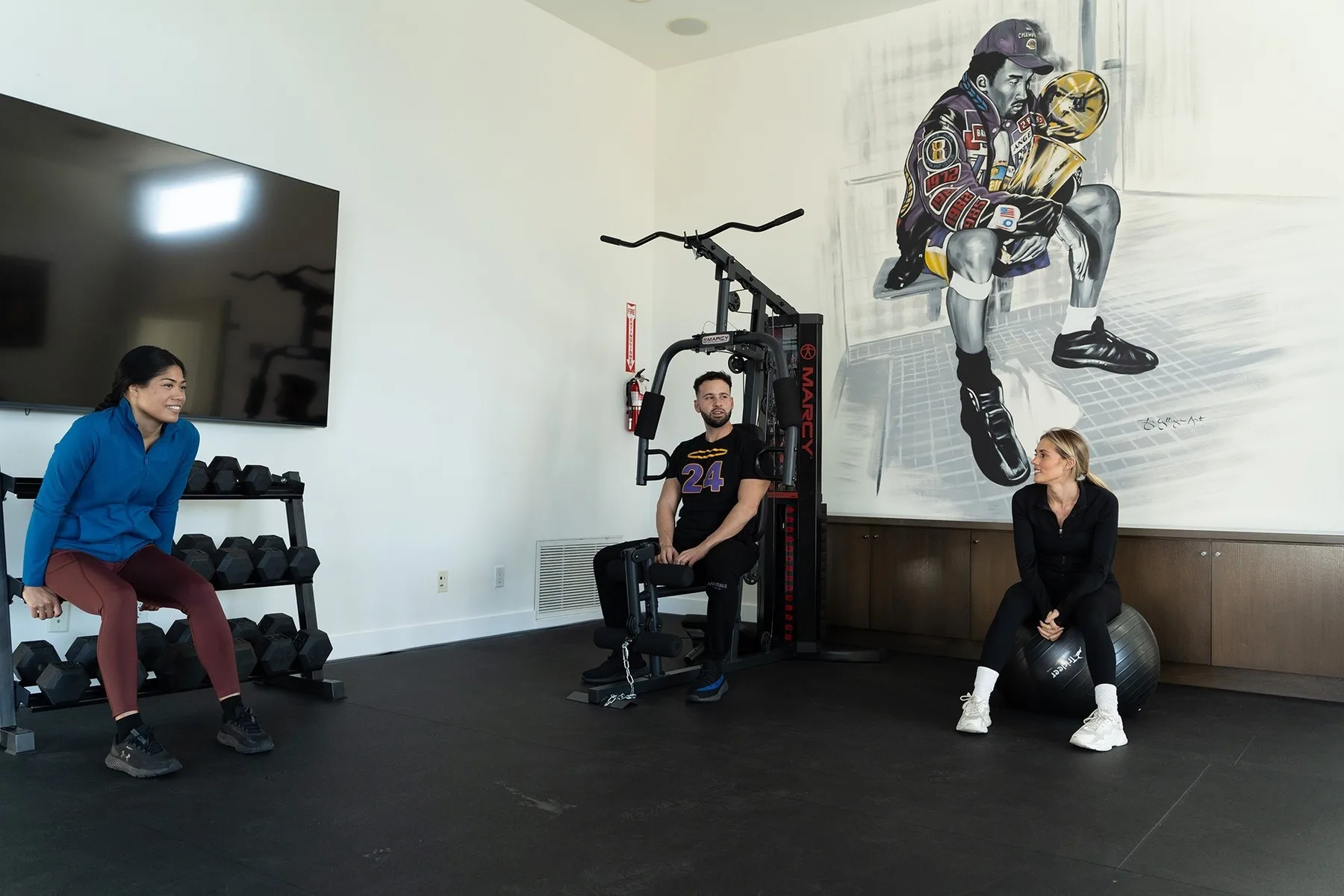
Many studies suggest that if someone is dealing with stress and depression, then exercise might be the way to manage the triggering points. Recommended exercises include: Walking, ideal for beginners with low impact; Running, which improves heart health and offers cardiovascular benefits; Hiking, which improves fitness and provides mindfulness through connecting with nature; Swimming, which offers a full-body workout that is easy on joints; Yoga, which offers flexibility, reduces stress, and provides clarity and mindfulness; Weightlifting, which enhances strength and offers a sense of accomplishment; and Team sports, which promote interaction, healthy competition, and adherence to exercise routines.
How Addiction Affects Nutrition and Health
Due to addiction, people often adopt unhealthy and irregular eating patterns. Research has stated that people who consume alcohol are likely to increase their intake of unhealthy food. Excessive caloric intake results in obesity and issues like high blood pressure and high cholesterol, while opiates can cause decreased food consumption. Substances also damage the functions of the body and the ability to metabolize food, causing issues like constipation and weight changes. Due to the consumption of alcohol, the body starts to restrict itself from absorbing essential nutrients. Experts believe that alcohol-related dementia is largely caused by thiamine deficiency (Vitamin B1 deficiency).

Tips for Better Recovery
During detox, balanced nutrition can help enhance mood and health. Have regular meals, eating three meals and snacks to regulate metabolism and hunger. If struggling with appetite issues, supplements might be worth considering, though always consult with a doctor before making changes to your diet. It is also essential to be mindful of avoiding new dependencies during recovery.
Questions, answered
What should I know about role of nutrition and exercise in addiction recovery?
No one can deny the importance of nutrition and exercise in a healthy lifestyle.
Does Bliss Recovery offer treatment for this?
Bliss Recovery provides personalized, evidence-based care in a private Hollywood Hills setting, with a full continuum from medical detox through residential treatment and PHP/IOP. Our admissions team can help you find the right level of care.
How do I get started or verify my coverage?
You can verify your insurance confidentially with no obligation, or reach our admissions team directly. We will walk you through the next steps and help you understand your options.