.svg)
.svg)
.svg)
.svg)

Key takeaways
- 1
Rehabilitation centers have a long history, with roots in ancient healing practices and evolving through monastic care and Enlightenment ideas.
- 2
Industrialization and wars significantly shaped rehabilitation centers, leading to specialized care for physical injuries and the expansion of services beyond physical recovery.
- 3
Modern rehabilitation centers now focus on both physical and mental health, driven by key figures and important advancements.
- 4
Challenges remain, including making care accessible, managing costs, and the need for more trained professionals.
- 5
The future involves telehealth, virtual reality, robotics, and data to create more personalized and effective healing experiences.
The Historical Roots of Rehabilitation Centers
The idea of helping people recover and regain function is quite old. Ancient practices for healing and support, ancient Egypt shows early prosthetic devices and the ancient Greeks used therapeutic exercises and water treatments, early forms of physical therapy, reflecting a consistent human desire to support healing. Monastic care and early innovations, during the Middle Ages, monastic communities became centers for caring for the sick and those with disabilities, providing basic physical care and sometimes vocational training in a compassionate, whole-person approach. The Enlightenment's influence on restorative practices, a growing belief that people could be helped to recover led to more specialized institutions and structured restorative practices combining medical understanding with social reform.
Transforming Rehabilitation Centers Through the Centuries
The impact of industrialization and war, the rise of factories and heavy machinery meant more accidents and the need for dedicated recovery facilities, and the World Wars brought an immense number of injured soldiers home, spurring major advancements in physical medicine and a more holistic view of restoring people to productive life. Pioneering figures in physical medicine, innovators like Gustav Zander and Sister Elizabeth Kenny developed groundbreaking physical therapy techniques that laid the groundwork for modern practice. Expanding scope beyond physical injuries, over time, rehabilitation broadened from physical injuries to include the connection between physical health and mental well-being, moving toward a more complete picture of a person's health.
Modern Rehabilitation Centers, A Paradigm Shift
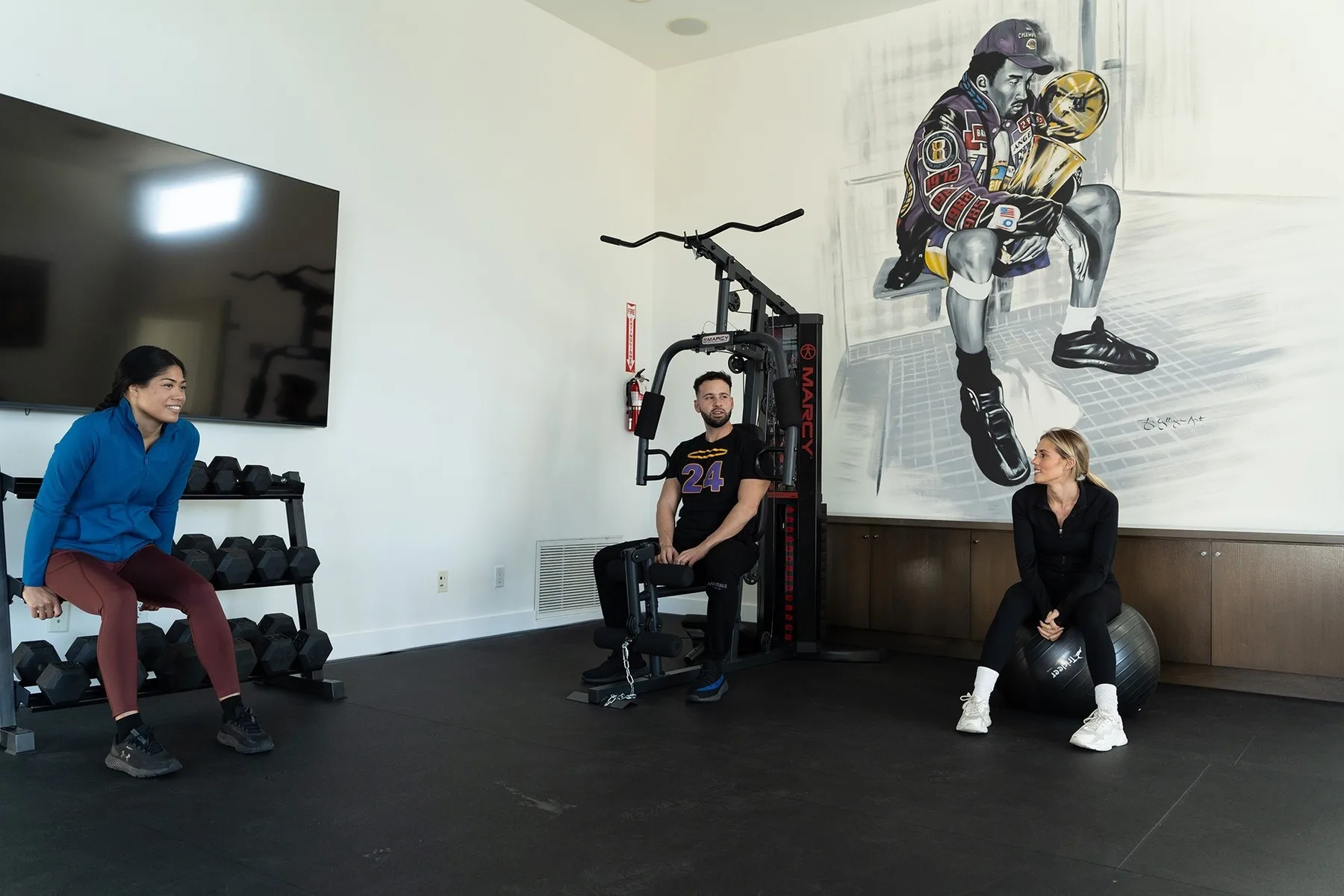
Rehabilitation has moved from purely clinical settings to places focused on healing the whole person. Integrating physical and mental well-being, programs now address both aspects simultaneously, incorporating mindfulness practices alongside therapy and offering counseling to help cope with emotional challenges. Milestones that shaped modern rehabilitation, advancements in medical technology, more precise diagnostics, and a greater emphasis on patient-centered, personalized care have led to better outcomes. The role of influential leaders in the field, dedicated individuals championed more humane and effective approaches, helping destigmatize seeking help and paving the way for compassionate, holistic care; specialized centers like some luxury rehab facilities continue pushing the boundaries of patient care.
Addressing Challenges in Rehabilitation Centers Today
Access to quality care is not the same everywhere, and distance or mobility can prevent people from attending regular appointments. Rehabilitation can be expensive, and financial strain can be a major barrier to long-term support. There is also a real shortage of skilled professionals, which can lengthen waitlists and stretch the quality of care. Programs increasingly need to address diverse needs, adapting to different cultural backgrounds, language differences, and the unique challenges faced by various age groups and those with specific disabilities, providing care that truly fits the individual.
The Future of Rehabilitation Centers
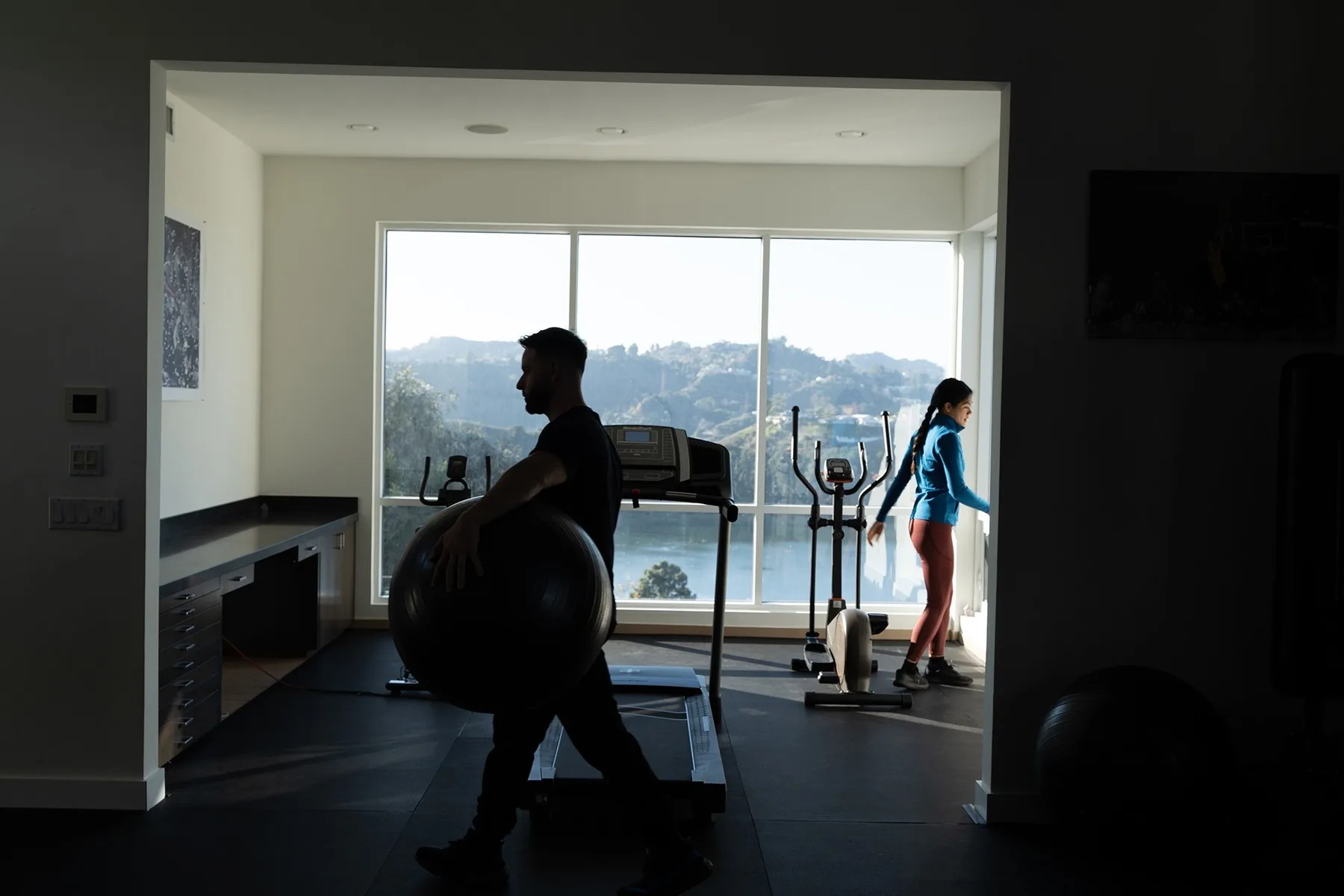
Looking ahead, telehealth, virtual reality, robotics, and data-driven insights are creating more personalized and effective healing experiences, expanding access and tailoring care to each person while keeping the focus on compassionate, whole-person recovery.
Questions, answered
What should I know about the evolution of rehabilitation centers?
Rehabilitation centers have a long history, with roots in ancient healing practices and evolving through monastic care and Enlightenment ideas.
Does Bliss Recovery offer treatment for this?
Bliss Recovery provides personalized, evidence-based care in a private Hollywood Hills setting, with a full continuum from medical detox through residential treatment and PHP/IOP. Our admissions team can help you find the right level of care.
How do I get started or verify my coverage?
You can verify your insurance confidentially with no obligation, or reach our admissions team directly. We will walk you through the next steps and help you understand your options.